Fruit vs. Tobacco: Psychology of Flavour choice during the transition
Fruit vs. Tobacco: Psychology of Flavour Choice when switching to vaping
Quick Start: Key Takeaways
- Expectation mismatch: tobaccoFlavors often fail to imitate the sensory experience of a burning cigarette (combustion products), which can lead to disappointment.
- Sensory dissociation: Fruity or menthol-containing flavors promote the psychological separation from smoking by creating a completely new experience.
Flavour Establish a profile. - Success rates: Practical observations suggest that switchers using tart fruit or citrus notes are less likely to relapse than users of tobacco imitations.
- Nicotine salt efficiency: The choice of flavor influences the vaping behavior; nicotine salts in modern e-cigarettes Pod systems They ensure a more stable satisfaction of the desire.
- Legal certainty: In Germany, ingredients and nicotine strengths (max. 20 mg/ml) are regulated by the Tobacco Products Act (TabakerzG) strictly regulated.
- Sustainability: The correct disposal of batteries and e-cigarettes via official return systems (EAR Foundation) is a legal obligation.
The psychology behind the Flavour swahl: Why "familiar" isn't always "better"
For many adult smokers planning to switch to e-cigarettes, choosing a tobacco flavor seems like the most logical decision. The assumption behind this is that the closer the experience is to that of a traditional cigarette, the easier it is to quit. However, psychological reality often paints a different picture.
The
This mismatch between expectation and reality often leads to switchers perceiving vaping as "inadequate". Psychological research and qualitative studies, such as those conducted in the context of menthol smokers, suggest that this sensory disappointment can be a significant factor in the premature termination of the switch attempt.ResearchGate: Early Subjective Sensory Experiences).
Learn more about the challenges at Dual-use of tobacco and e-cigarettes.
The role of sensory dissociation
A more effective approach for long-term success seems to be a conscious decision to stop using tobacco.
The psychological "reset" effect
Choosing a fruity flavor profile interrupts the familiar stimulus-response chain of smoking. Instead of constantly comparing it to a "real" cigarette, the brain evaluates vaping according to its own pre-existing characteristics.
The importance of nicotine salts
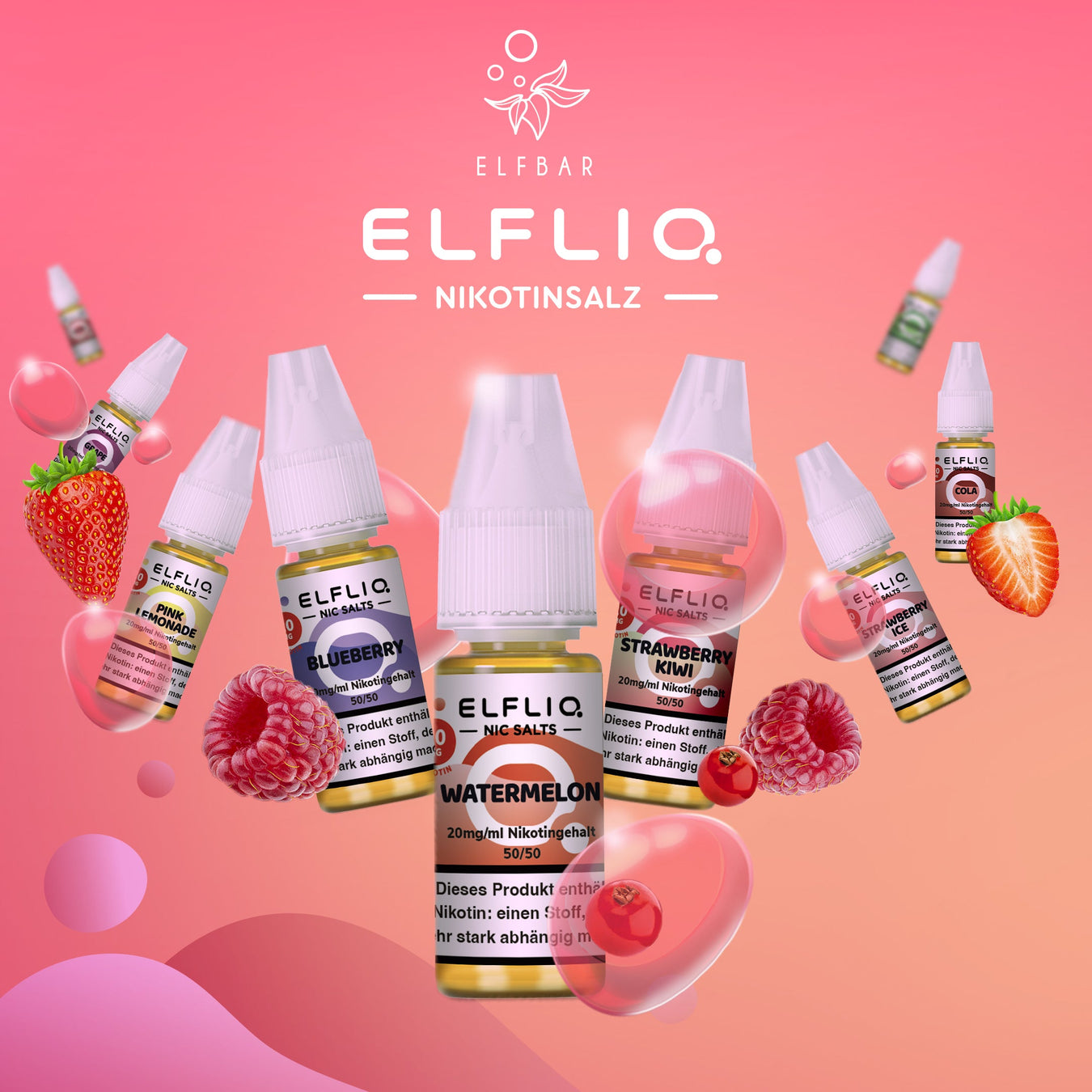
A crucial technical factor here is the Use of nicotine salt (Nicotine Salt).Unlike conventional, free nicotine, nicotine salt is chemically buffered in such a way that, despite its high concentration (often the legal limit of 20 mg/ml), it produces a smoother throat hit (the sensation in the throat when inhaling). This allows the user to enjoy the flavor – such as blueberry or blackberry – without being distracted by excessive harshness.
Analysis: Tobacco vs. Fruit Flavors in Comparison
To clarify the decision-making basis for those switching careers, the following table shows a modeled comparison of the psychological and functional factors.
| factor | Tobacco flavors (imitations) | Fruit flavors (dissociation) | Psychological impact |
|---|---|---|---|
| Expectations | High (search for 1:1 copy) | Neutral (curiosity about a new aroma) | Fruit reduces the risk of disappointment |
| Sense of smell | Often perceived as "artificial" | Mostly rated as pleasant/fresh | Higher social acceptance of fruit |
| Habituation effect | Can trigger relapse | Creates a clear distance from cigarettes | Fruit supports psychological separation |
| Limited (spicy, sweetish, tart) | Enormous (hundreds of combinations) | Fruit prevents " | |
| Nicotine perception | Masked by heavy notes | Clear focus on saturation | Better control over cravings |
Methodological note: This table is based on an analysis of user feedback patterns from customer support and common psychological heuristics for addiction recovery. It is a theoretical model for illustrative purposes, not a clinical study.
Scientific findings on aroma migration
Long-term data suggests that users who have successfully quit smoking and continue vaping over time undergo a "migration" away from tobacco flavors. A study published in the journal... Nicotine & Tobacco Research Published analysis shows that experienced vapers predominantly prefer non-tobacco flavors such as fruit or menthol (ResearchGate: Longitudinal associations).
This trend underscores the thesis that fruit flavors are not merely an "extra," but can play a functional role in maintaining abstinence from combustible tobacco products. Cochrane Network, The gold standard of evidence-based medicine also regularly confirms that e-cigarettes with nicotine have a higher success rate in quitting smoking than conventional nicotine replacement therapies.
Safety and quality: The German legal framework
In Germany, e-cigarettes and e-liquids are subject to the strictest controls. Federal Institute for Risk Assessment (BfR) While emphasizing the need for youth protection, it also recognizes the potential for harm reduction for adult smokers.
Ingredients and limit values
According to the Tobacco Products Act (TabakerzG) In Germany, e-liquids are limited to a maximum nicotine content of 20 mg/ml. Furthermore, certain ingredients considered harmful to health (such as diacetyl, which has been linked to lung diseases) are prohibited. Reputable manufacturers have their products tested in certified laboratories such as... ASL Analytic Serv
The meaning of the tax stamp
Since the change of the Tobacco Tax Act (TabakStG) Even nicotine-free liquids are subject to this and DisposableE-cigarettes are subject to a substitute tax. For consumers, this is an important safety feature: products without a valid German tax stamp are not only illegal, but also evade state quality control. Purchasing such black market products poses incalculable health risks due to untested ingredients.
Technical factors: Why hardware matters Flavour influenced
The psychology of
What is a mesh coil?
A mesh coil is a heating element that uses a fine metal mesh instead of a conventional wire. This significantly increases the surface area in contact with the e-liquid. The advantages are:
- Uniform heating: Hotspots are avoided, thus reducing the risk of a "dry hit" (burnt food).
Flavour ) reduced. - Intense aroma: Particularly complex fruit notes are reproduced more clearly and with greater nuance.
- Constance: The power output remains stable throughout the entire lifespan of the pod, ensuring reliable nicotine satisfaction.
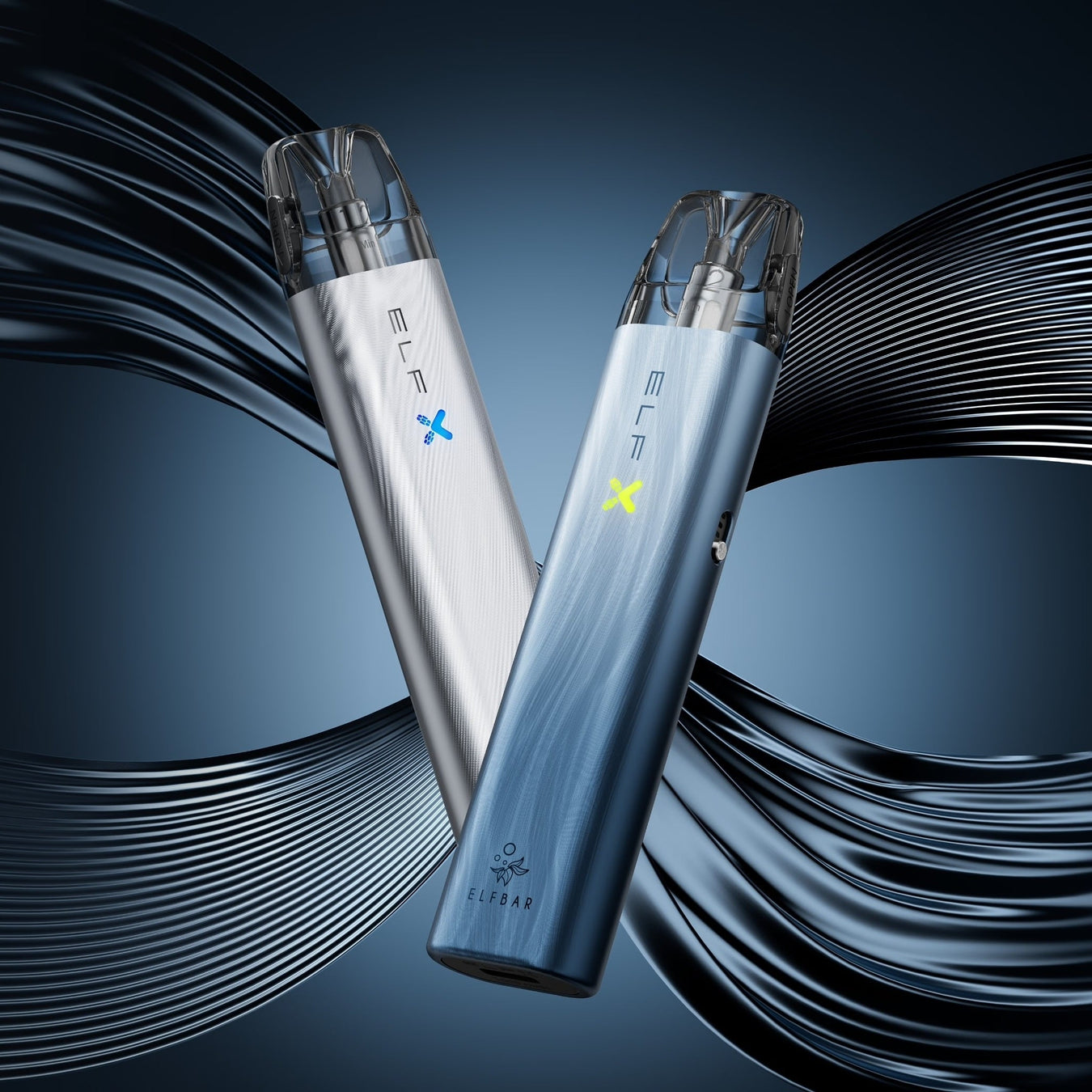
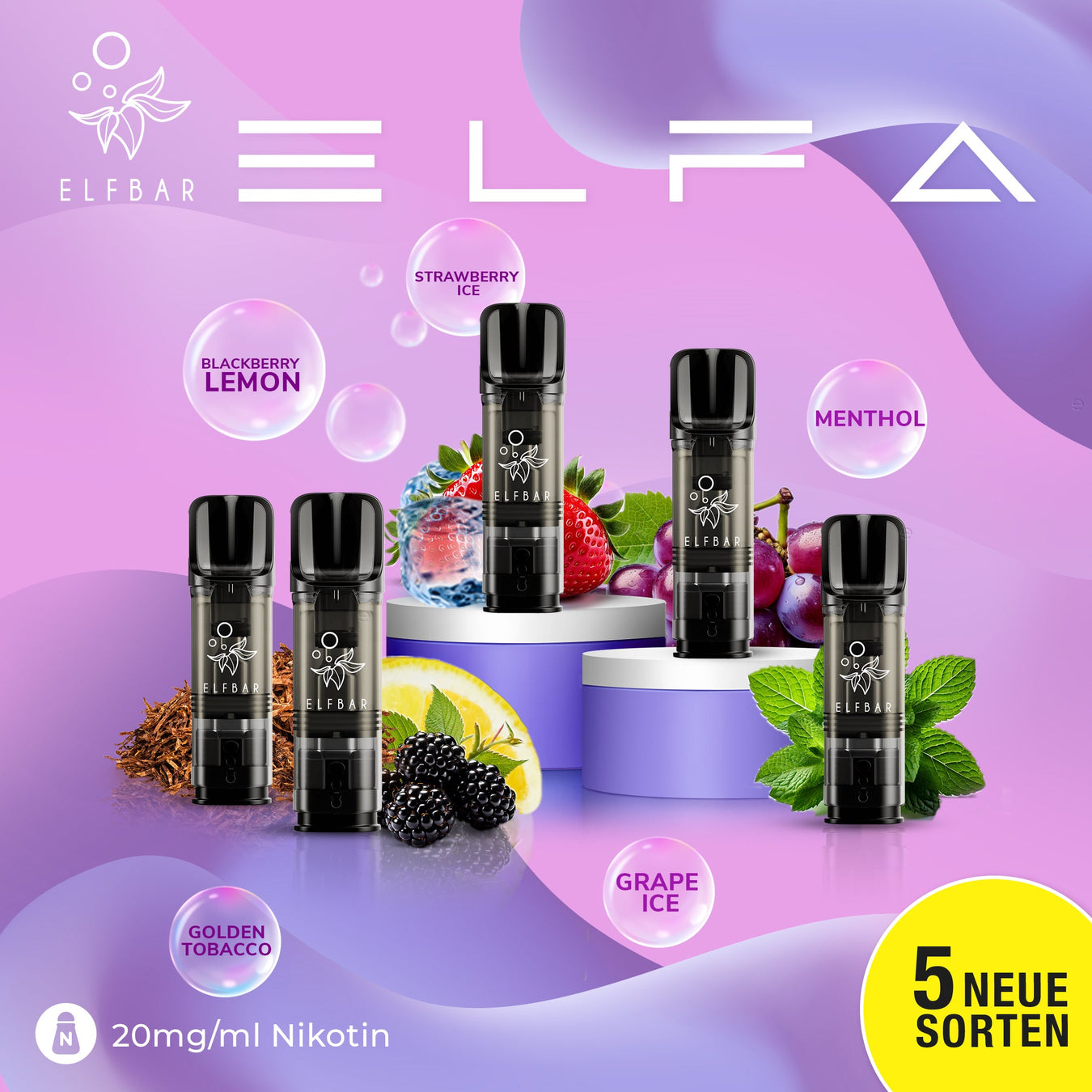
For those switching systems, systems that combine this technology with ease of use, such as closed systems, are recommended. Prefilled Pod Systems. These offer the advantage that the user does not have to handle liquid and always uses a fresh coil.
Practical heuristics for first choice
Based on observations from consulting practice, the following rules of thumb can be derived for selecting the first aroma:
- The "family rule": Choose a flavor from a completely different category than tobacco. If you've been smoking heavy, spicy cigarettes, try a tart, cool berry or a zesty citrus fruit.
- Avoid "food analogies": Just because you like eating apple pie doesn't mean you like vaping it. Vaping is an inhalation experience; freshness (menthol/
Ice ) or acid (citrus) often work better than heavy sweetness. - The two-variety strategy: Start with two contrasting flavors (e.g., one fruit, one menthol). This helps the brain adapt to the new medium.Vaping"Faster to accept as a versatile option."
- Quality over price: Pay attention to WEEE registration (EAR Foundation) and the presence of a German tax stamp to ensure that you are using a certified product.
Responsible consumption and disposal
An often underestimated aspect of switching to e-cigarettes is environmental responsibility. E-cigarettes, in particular, Disposable e-cigarettes, They contain valuable raw materials such as lithium in the batteries.
According to the Battery Act (BattG) These devices must never be disposed of with household waste. Retailers are legally obligated to take back old devices. Proper disposal via collection points at retailers or municipal recycling centers ensures that resources are recycled and no pollutants enter the environment. This is an essential part of responsible consumption for adult users.
Summary of the psychological strategy
Successfully switching from smoking to vaping is largely a mental challenge. While nicotine addresses physical cravings, the flavor plays the main role in the psychological adjustment.
By avoiding the "tobacco trap" and instead opting for high-quality fruit or menthol flavors, one utilizes the effect of sensory dissociation. Combined with modern mesh coil technology and the security of the German regulatory framework, this approach offers a solid foundation for a smoke-free future.
Important notice (YMYL Disclaimer): This article is for informational purposes only and does not constitute medical or health advice. E-cigarettes are designed for adult smokers as a potentially lower-harm alternative to tobacco cigarettes. Nicotine is a highly addictive substance. Non-smokers, children, adolescents, pregnant women, and people with pre-existing medical conditions (especially cardiovascular or respiratory diseases) should not use nicotine-containing products. Always consult a qualified doctor or pharmacist with any health questions or before making any changes to your lifestyle.
Sources and references
- BMEL - Tobacco Products Act (TabakerzG)
- Federal Institute for Risk Assessment (BfR) - E-cigarettes
- Cochrane Library - Electronic cigarettes for smoking cessation
- Zoll.de - Information on tobacco tax on substitutes
- ResearchGate - Longitudinal associations between flavored tobacco use and cessation
- EAR Foundation - Register for Waste Electrical and Electronic Equipment