EU Battery Regulation & Vape: What really applies in 2026 and 2027

The EU Battery Regulation 2023/1542 also applies to e-cigarettes and pod systems. Key dates: it has been generally applicable since February 18, 2024; extended labeling requirements have been in effect since 2026; and from 2027 onwards, a QR code will be required, along with the requirement that portable batteries be replaceable by the end user. It does not replace the German Electrical and Electronic Equipment Act (ElektroG), but rather supplements it.
What is the EU Battery Regulation 2023/1542?
Regulation (EU) 2023/1542 replaced the old Battery Directive in February 2024. It governs the entire life cycle of batteries—from raw material origin, CO₂ footprint, and recycling rate to labeling, collection, and recycling. It is relevant for vape users because disposable e-cigarettes and pod systems contain portable batteries.
You can find the full text and key points on EUR-Lex 2023/1542.
What deadlines are important for vaping?
| Deadline | Requirement |
|---|---|
| February 18, 2024 | Basic Regulation applicable (exceptions for individual provisions) |
| 2026 | Extended labeling: Battery contents, recycled content, separate collection |
| 2027 | QR code requirement and requirement for replaceable portable batteries |
Source: EUR-Lex 2023/1542, as of: 2026-05.
Does this mean that disposable vapes will be banned from 2027 onwards?
No. The requirement "replaceable by the end user" generally applies to portable batteries in devices. How it is applied to disposable vapes depends on the specific interpretation and national implementation. This does not result in an automatic ban; more relevant are the discussions surrounding national measures — see [link/reference]. Single-use vape ban in Germany.
What will change for the labeling in 2026?
From 2026, batteries across the EU must be more clearly labelled, indicating their contents and how they should be collected. Specifically, this applies to:
- Symbol for separate collection (crossed-out trash can)
- Information on the proportion of pollutants and recycled content
- Information on the category (portable, appliance, industrial, starter batteries)
For consumers, this means: The packaging of your vape or pod system will become more transparent, revealing what's inside. Our overview shows what compliant devices look like. Pod systems.
What will the QR code bring in 2027?
From 2027, batteries must be marked with a QR code that links to a digital battery passport. This passport provides information on origin, ingredients, CO₂ footprint, and recycling. For manufacturers such as
How does this fit with the German Electrical and Electronic Equipment Act (ElektroG)?
The EU Battery Directive regulates the material/product standard. In Germany, the Electrical and Electronic Equipment Act (ElektroG) regulates the collection and take-back of waste electrical and electronic equipment (WEEE). The two complement each other.
- EU 2023/1542: what a battery must contain/be able to contain, how it is labelled.
- ElektroG (national): where, by whom and how old devices must be taken back — see Obligation to take back products from 1 July 2026.
What does that mean for ELFBAR -Devices?
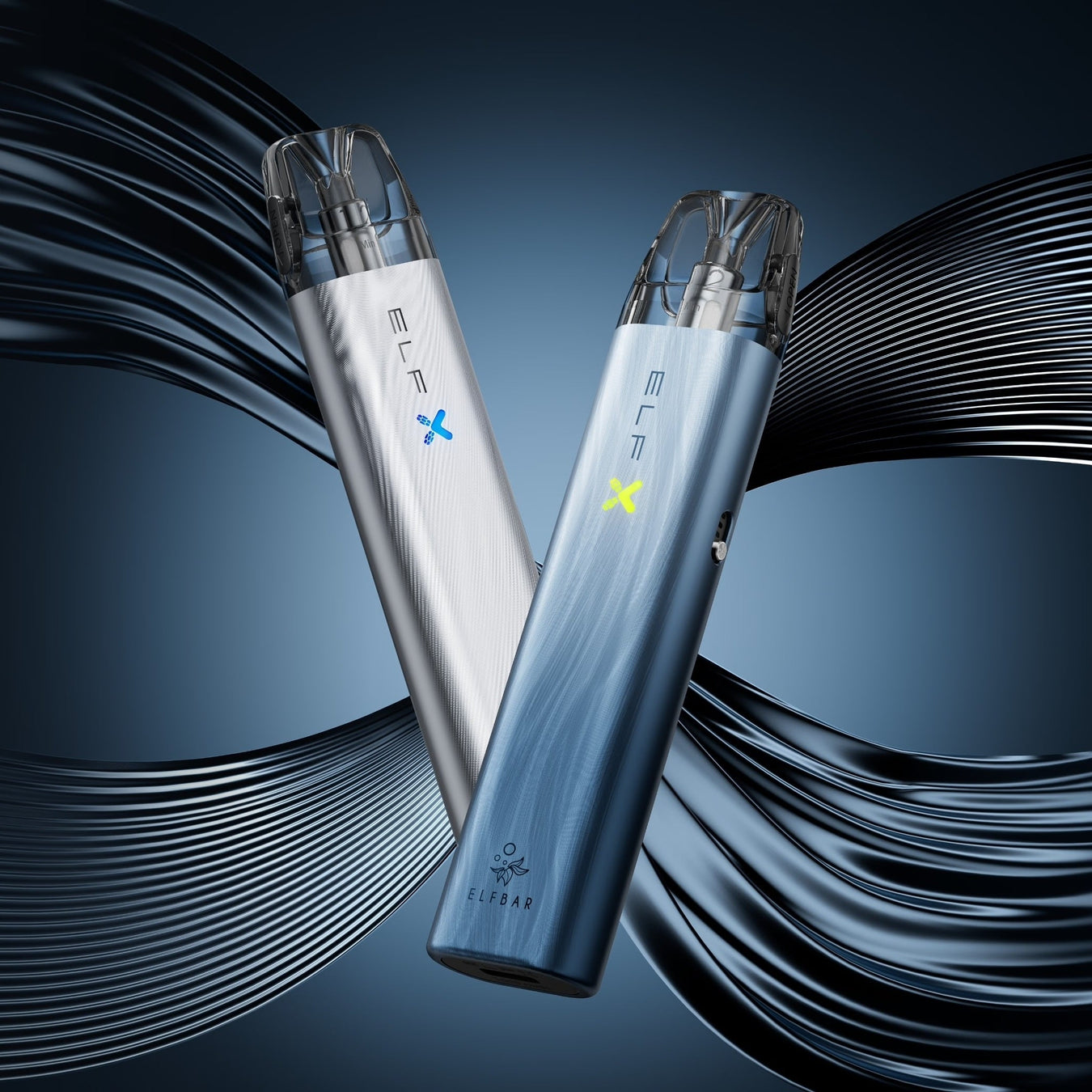
Pod systems such as
For disposable vapes like the
Where can I read the text of the regulation?
The official summary is available on EUR-Lex. The portal provides access to the full text in German, including all appendices with deadlines.
What does the regulation really bring to consumers?
Three things: firstly, more information before buying — you can see at a glance what's inside and how to dispose of the device. Secondly, more safety — manufacturers have to document uniform minimum standards for batteries, which makes it harder for unscrupulous manufacturers to operate. Thirdly, a better environmental footprint — higher collection and recycling rates reduce fires and bring critical raw materials back into circulation. For
What's behind the digital battery passport?
The digital battery passport is a key element of the EU regulation. Manufacturers, retailers, consumers, and recyclers can access the same information via the QR code on the battery or device: chemical composition, CO₂ footprint, recycled content, lifespan specifications, and instructions for safe disposal. This prevents greenwashing and makes comparisons reliable for the first time. For consumers, this means transparency instead of glossy brochures. Anyone who wants to know what's really in their vape battery will be able to read it in black and white from 2027 onwards.
What does that have to do with recycling?
Higher recycled content, clearer collection targets, and deposit return schemes are intended to strengthen lithium recovery in Europe. This is not a matter of detail, but rather a strategic one—lithium, cobalt, and nickel are critical raw materials. With improved collection rates, the EU reduces its import dependency, and vape manufacturers can produce more compliant products. The parallel national take-back obligation (see Obligation to take back products from 1 July 2026) provides the logistics for this, and the obligations overlap with the German Electrical and Electronic Equipment Act (ElektroG), as presented by BMUKN.
What should consumers do today?
- Battery-powered devices (e.g., pod systems) should be disposed of via recycling programs, not in household waste.
- When buying, make sure to choose products that comply with the TPD and are approved in Germany — see TPD and
Elfbar . - For multiple devices: bring them to the collection point as dry as possible, individually and with the contacts taped over.
- Scan the authenticity QR code on
ELFBAR -Do not confuse the packaging with the later battery QR code — details in Check QR code.
What happens after 2027?
After 2027, further stages are expected—higher minimum recycling targets by 2030, stricter CO₂ reporting requirements, and possible adjustments to device classifications. Regulation 2023/1542 is deliberately designed as a phased plan to allow industry and collection infrastructure to keep pace. For the vaping market, this means: progressively greater transparency, more responsibility for manufacturers, and more options for consumers to identify truly compliant products.
Conclusion
The EU Battery Regulation 2023/1542 is not a ban on vaping, but its effects will be noticeable in the coming years: improved labeling by 2026, QR codes and replaceable batteries by 2027. For consumers, this means greater transparency; for manufacturers, more documentation. Those who think long-term are better off with a pod system like...
Last updated: May 2026. This article does not constitute legal advice. For legal questions, please consult a qualified professional.