Total Cost: Disposable Vape vs. Pod System Accessories

Introduction: Transparency and cost focus
The true cost of a vaping system extends far beyond the initial price tag. While disposable vapes may entice users with a low entry price, expenses quickly add up with regular use. Pod systems, on the other hand, require a higher initial investment but can offer significant long-term savings through cheaper consumables.
Transparency note: This article was written by industry experts. We carry the products mentioned (such as...).
Important safety and health information
Before we consider the economic aspects, it is essential to point out the health risks. E-cigarettes are not risk-free.
- Nicotine addiction: Most of the products compared here contain nicotine, a highly addictive substance.
- Target group exclusion: The use of e-cigarettes is strictly prohibited for minors, pregnant women, breastfeeding mothers, and people with cardiovascular or respiratory diseases. It is medically contraindicated.
- Authoritative sources: The Federal Institute for Risk Assessment (BfR) as well as the World Health Organization (WHO) warn of the health consequences of consuming nicotine-containing aerosols.
Cost analysis: The disposable e-cigarette under scrutiny
The cost model of disposable vapes It's simple: You pay per device. According to the Tobacco Products Act (TabakerzG) In Germany, these are limited to 2 ml of liquid.
Methodology for calculating the number of moves: Manufacturers often specify maximum values (e.g., "up to 600").
Cost model for disposable vapes (base: €8.50/device)
| User profile | Devices per month (approx.) | Monthly costs | Annual costs | |
|---|---|---|---|---|
| Light | 50 | 2.5 | €21.25 | €255.00 |
| Moderate | 150 | 7.5 | €63.75 | €765.00 |
| Strong | 300 | 15 | €127.50 | €1,530.00 |
Note: These figures are estimates. Actual costs vary depending on individual train behavior and local price levels.
The costs of pod systems in detail
Pod systems consist of a rechargeable battery carrier and interchangeable units.
Acquisition costs: The basic unit
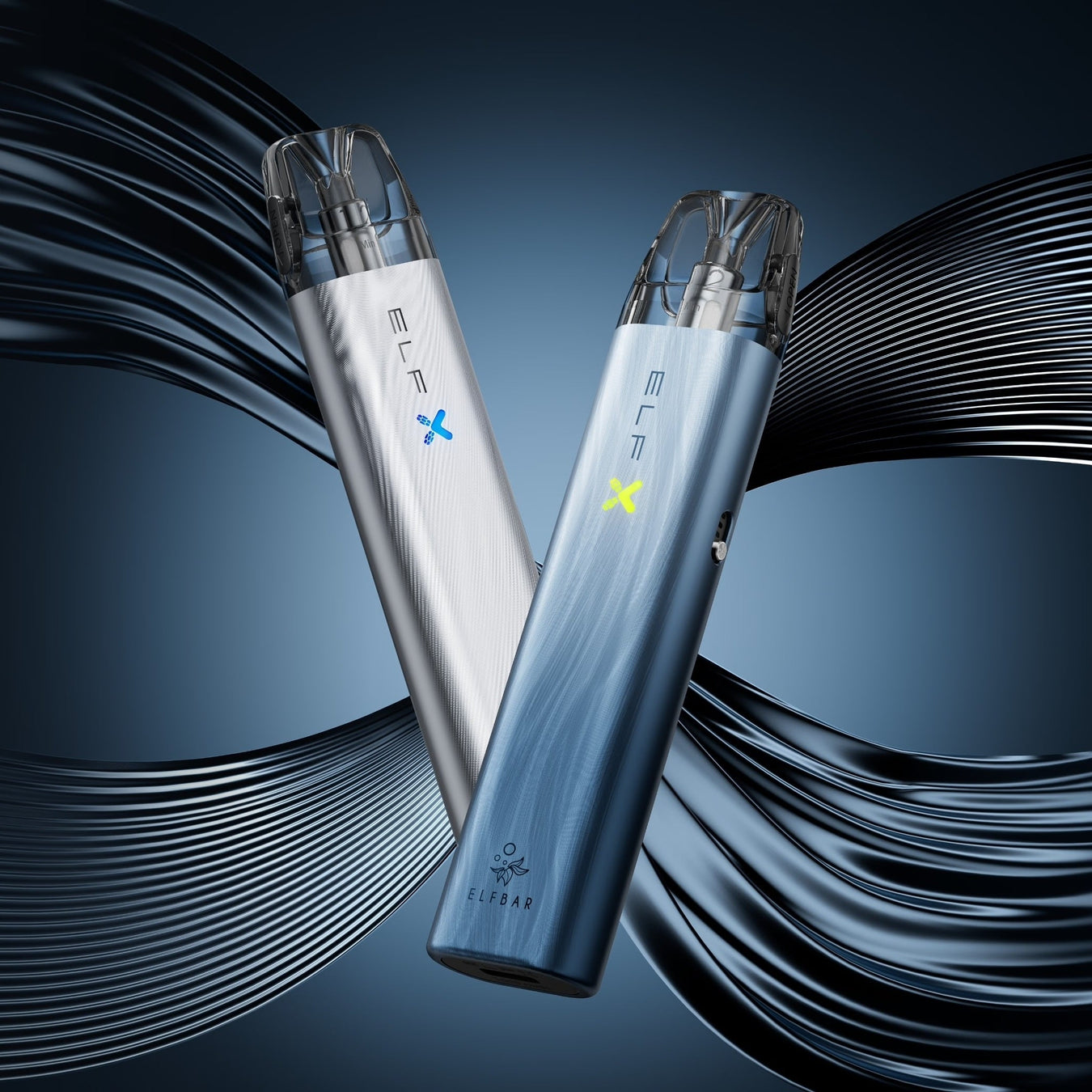
A high-quality basic unit like the
Ongoing costs: The two options
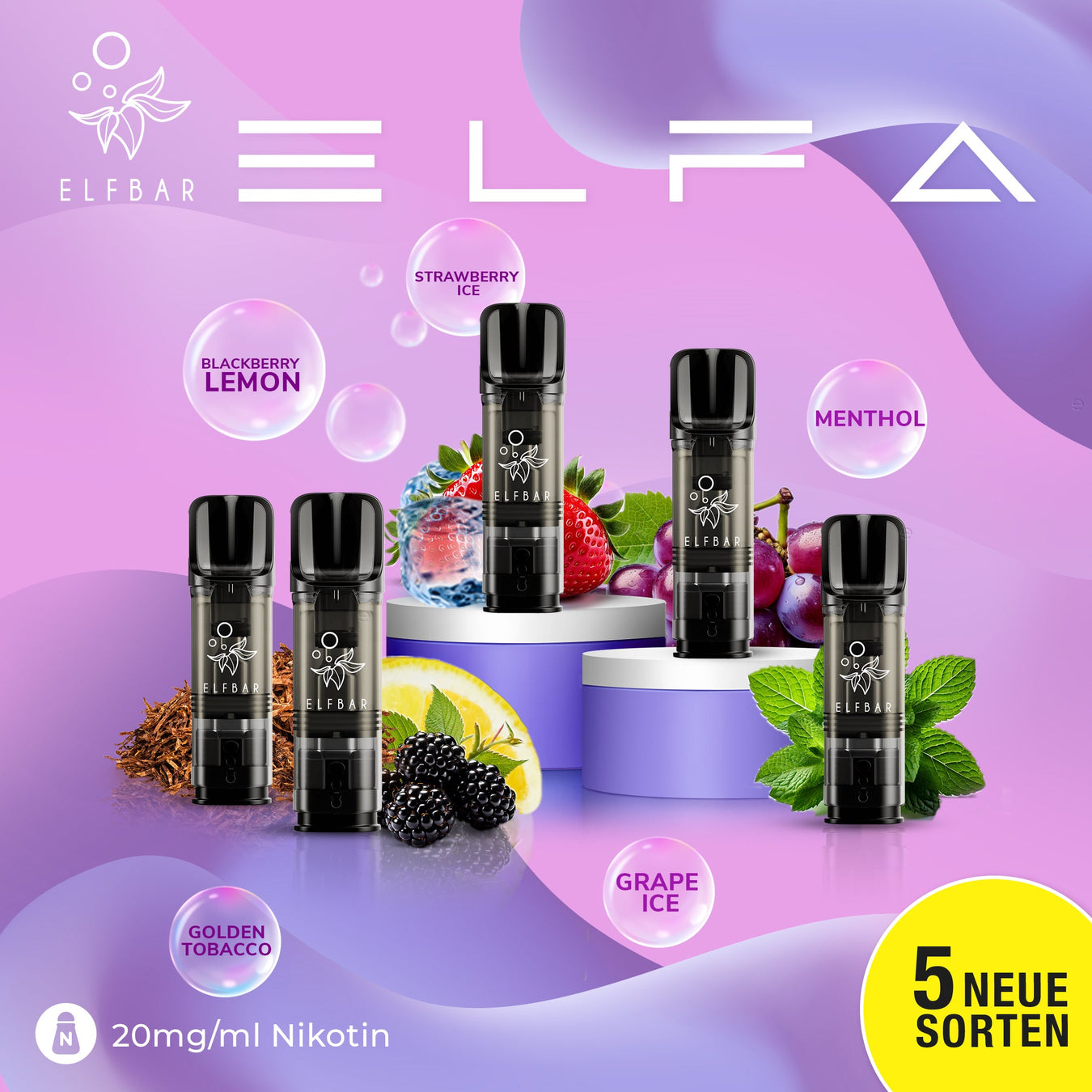
1. Prefilled Pods: These offer convenience without the need for manual refilling. At a price of approximately €6.99 per 2-pack (as of September 2024), the following costs result:
- Cost per pod (2 ml): approx.€3.50
- Potential savings: Approximately 45-50% more efficient than disposable vapes.
2. Refillable Pods: This is the most cost-effective method. A
- Liquid costs (10 ml): Approximately €5.00 - €7.00 (including tobacco tax).
- Replacement pod (empty): Approximately €3.00 - €4.00.
Calculation formula for your own calculations: Monthly costs = (Liquid consumption in ml/10 * price per bottle) + (Number of pod changes * price per pod)
Comparison table: Disposable vape vs. pod system
Base: Moderate user (150)
| feature | Disposable vape | Pod system (prefilled) | Pod system (refillable) |
|---|---|---|---|
| acquisition | €0 | approx. €25 | approx. €25 |
| Cost/1,000 | approx. €14.17 | approx. €5.83 | approx. €3.17 |
| Monthly costs | approx. €63.75 | approx. €35.00 | approx. €14.25 |
| Annual costs | approx. €765.00 | approx. €420.00 | approx. €171.00 |

Sensitivity analysis: How stable are these costs?
Costs are not static. The following factors influence profitability:
- Tax increases: Through the Tobacco Tax Modernization Act (TabStG) Prices for liquids will rise gradually until 2026. This will affect refillable systems more in percentage terms, but in absolute terms they will still remain the cheapest.
- Device lifespan: With proper care, a battery carrier typically lasts 12 to 24 months. A defect after 3 months would increase the annual costs for pod systems by approximately €20-30.
- Train intensity: "Chain vaping" (very short succession of puffs)
puffs n) can halve the lifespan of refillable pods, increasing monthly costs by approximately €3-5.
Hidden costs and regulatory information
Tax compliance
When buying, make sure to look for the German tax stamp. Customs Possession of untaxed e-liquids is a criminal offense. Furthermore, grey market imports often lack safety checks.
Environment and waste disposal
Disposable vapes pose a significant environmental burden. According to Battery Act (BattG) All devices must be disposed of properly. Pod systems significantly reduce electronic waste because the battery can be recharged hundreds of times. Further information can be found in our guide to... Vape disposal.
Check authenticity
For safety reasons, use the Verification page of
Conclusion: An economic assessment
The choice of system depends on your priorities:
- Disposable vapes: They can be useful for occasional users or for testing new flavors, but are the most expensive option for daily use.
- Prefilled pod systems: offer a balanced compromise between convenience and cost control.
- Refillable pod systems: They generally offer the most significant cost savings and the lowest environmental impact for regular users.
We recommend that regular users switch to a refillable system to minimize both financial expenses and the ecological footprint.
Disclaimer: This article is for general information purposes only and does not constitute financial or health advice. All calculations are based on assumptions and may vary in individual cases.