Disposable vape ban in Germany: Current status 2026

As of May 2026, a general ban on disposable e-cigarettes has not been enacted in Germany. The Federal Council has repeatedly called for such a ban, but the Federal Government has not yet included it in the Electrical and Electronic Equipment Act (ElektroG) and favors a solution at the EU level. Disposable vaping is therefore not currently prohibited; only regulations governing take-back, youth protection, and TPD compliance are in place.
Are disposable vape devices banned in Germany?
No. Disposable e-cigarettes may still be sold in Germany, provided they comply with the TPD directive and the national tobacco products regulation. What you read in the media about a "ban" almost always refers to political initiatives, not to existing law. Anyone looking for an overview of permitted devices can find it in our category. Disposable vapes.
What is the Federal Council demanding?
The Federal Council has repeatedly called on the Federal Government to examine a ban on the sale of disposable e-cigarettes. The main arguments are based on environmental concerns: permanently installed lithium batteries, electronic waste, and littering. The Federal Government acknowledges the environmental problem but has so far relied on extended product responsibility and take-back obligations instead of a ban.
The position can be read in a press release from the German Bundestag: hib short message 1115142. The document states, in essence, that implementation via the ElektroG would trigger a technical notification and that the Federal Government prefers an EU-wide approach.
What rules already apply today?
Even without a ban, disposable vaping devices are clearly regulated in Germany. The most important elements are:
- TPD/Tobacco Products Ordinance: 20 mg/ml nicotine limit, 2 ml tank size for disposable cartridges, warnings. Details in our [link to relevant document/guide]. TPD Compliance Guide.
- Youth Protection Act §10: Sale only to persons 18 and older, online with age verification. More information in the article. Youth protection when vaping.
- Electrical and Electronic Equipment Act/Take-back: Lithium batteries must not be disposed of with household waste. From July 1, 2026, more retailers will be required to accept old devices for recycling; see [link/reference]. Take-back obligation from July 2026.
- EU Battery Regulation 2023/1542: Labeling requirements from 2026, QR code and replaceable batteries from 2027. Details in the EU Battery Regulation Guide.
Why is the environment usually the main concern when a potential ban is proposed?
Disposable e-cigarettes combine a permanently installed lithium battery with a non-removable casing. If these devices are disposed of improperly, raw materials are lost and a fire hazard arises in waste incineration plants. This is precisely why the Federal Council is calling for a ban, while the Federal Government is initially focusing on expanded take-back programs and manufacturer obligations. An ecologically sound alternative is pod systems with reusable batteries — see
What is happening at the EU level?
France and Belgium have already enacted national bans on disposable e-cigarettes. At the EU level, discussions are underway regarding whether a unified approach via the TPD revision or the Ecodesign Regulation would be more effective. Until a binding regulation exists at the EU level, Germany will maintain its current rules: disposable vapes are legal, but increasingly subject to stricter regulations.
What should you, as a consumer, be aware of?
As long as no ban is in effect, the following applies: Buy only from authorized dealers, pay attention to TPD compliance (warning notice, ingredients, mandatory German information) and dispose of old devices via the collection points.Where you can buy from reputable sources is explained here. Where
When could a ban come into effect?
No concrete date has been set. As long as the Federal Council and the Federal Government remain divided and the EU fails to issue a binding directive, a unilateral German approach is unlikely in the short term. A gradual tightening of take-back obligations, new EU battery requirements from 2027, and possible adjustments via the TPD revision are more probable. We will update this article as soon as the legislature takes a binding step.
How does the German approach differ from that of France?
In 2024, France banned the sale of disposable e-cigarettes, arguing that these devices primarily appeal to young consumers and disproportionately end up as e-waste. In Germany, the debate is more cautious: before a ban is considered, the effectiveness of extended producer responsibility, take-back obligations, and EU-wide solutions will be examined. From a consumer perspective, this means no immediate market changes, but noticeably more stringent requirements regarding packaging, labeling, and disposal.
What does "prohibition of placing on the market" actually mean?
A ban on placing disposable e-cigarettes on the market would mean that no new ones could be introduced to the German market—manufacturers would no longer be allowed to supply them to retailers. Devices already on the market could still be sold, depending on a transition period. Such a model protects existing stocks but stops the supply of new ones. This is legally different from a ban on consumption or possession—such far-reaching measures are not currently under discussion.
What would change for pod systems?
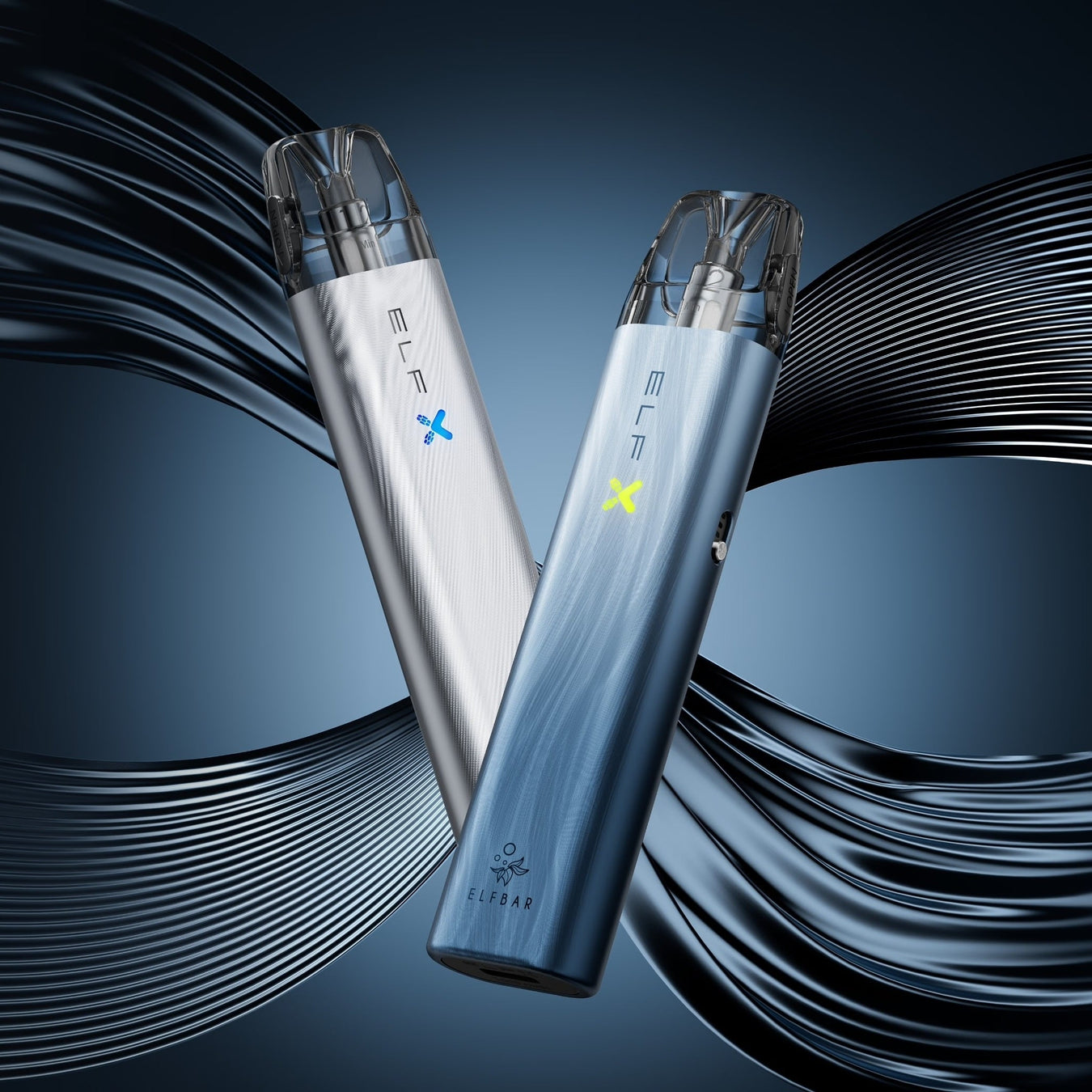
If a ban is specifically tailored to disposable devices, rechargeable pod systems like these would remain unaffected.
What does this mean practically for your shopping?
As long as no ban is in effect, nothing fundamental will change about your shopping experience. Those who buy from authorized German retailers will receive TPD-compliant devices with a warning label, a complete list of ingredients, batch number, and package insert. The main changes will be as follows: by 2027, packaging will include more recycling, battery, and origin information; retailers will make collection boxes more visible; and online purchases will be more consistently linked to age verification. For frequent users, now is the perfect time to honestly consider switching to rechargeable pod systems—not out of fear of a ban, but for cost reasons.
Conclusion
Disposable vaping devices are not currently banned in Germany, but they are regulated. Those who want to be on the safe side should ensure they use TPD-compliant devices, authorized retailers, and dispose of them properly. Anyone who wants more control over consumption, costs, and waste right now can switch to a... Pod system check.
Last updated: May 2026. This article does not constitute legal advice. For legal questions, please consult a qualified professional.