Too thin? The correct VG/PG ratio for pods

The problem with viscosity: Why your pod system is leaking
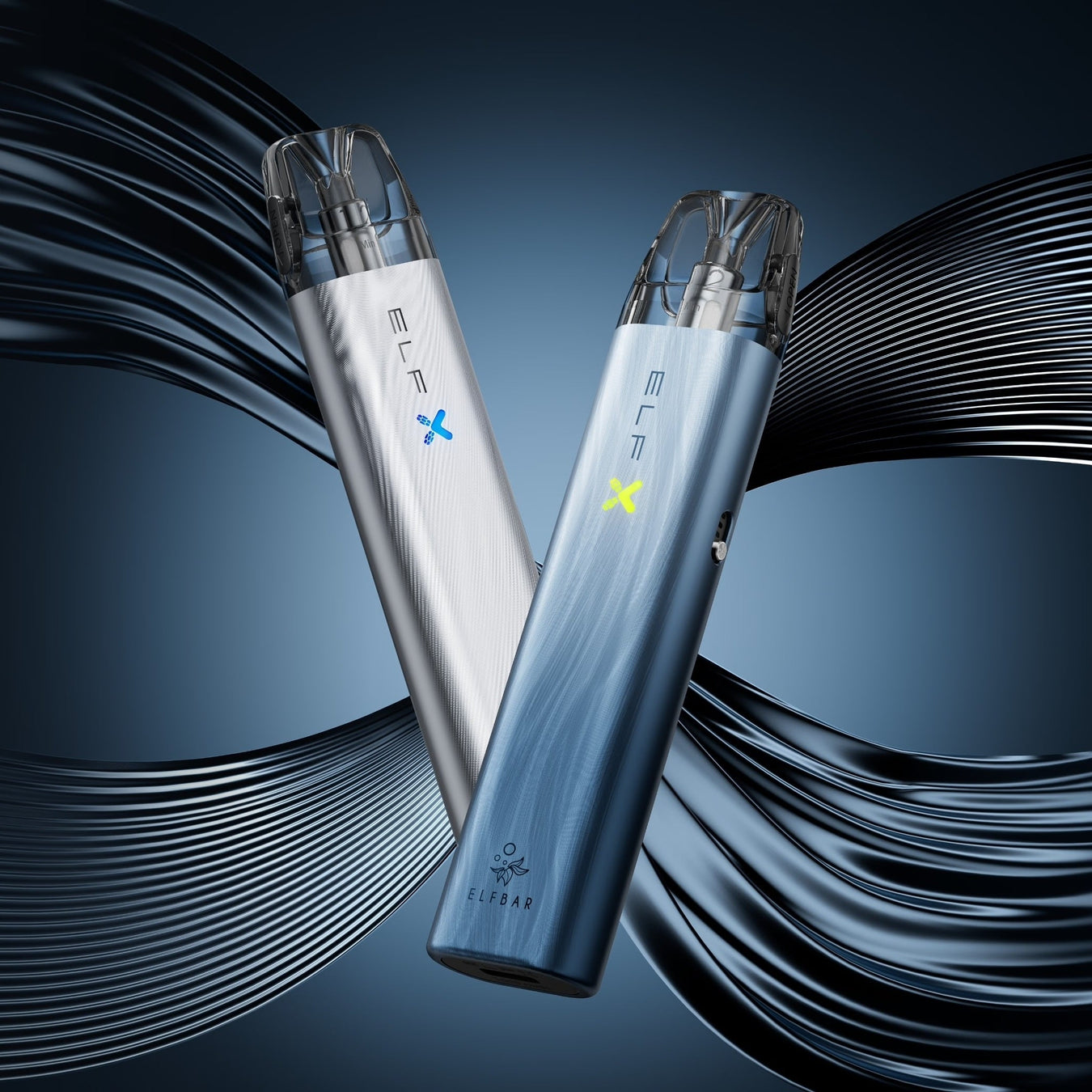
The viscosity – or thickness – of an e-liquid is one of the most crucial, yet most frequently overlooked, factors for an optimal vaping experience. Many users of pod systems, especially modern devices with mesh coils like the [device name missing], are aware of this.
This article explains in detail why the ratio of propylene glycol (PG) to vegetable glycerin (VG) is crucial for the leak-proofness and performance of your pod system. We explore the causes of leaks, reveal the ideal VG/PG ratio, and provide practical expert tips to prevent issues like leaking, gurgling, and burnt tastes.
Fundamentals: A deep insight into PG and VG
Every e-liquid is based on two main components: propylene glycol (PG) and vegetable glycerin (VG). The ratio of these two substances determines not only vapor production and throat hit, but above all the viscosity of the liquid. Understanding their individual characteristics is the key to solving many pod problems.

Propylene glycol (PG): The Flavour carrier
Propylene glycol is a colorless and almost odorless organic compound widely used in the food and pharmaceutical industries. In e-liquids, it fulfills several important functions:
- Viscosity: PG is very thin, similar to water. A high PG content makes the entire e-liquid more liquid.
-
Flavour carrier: PG is an excellent carrier for flavors. Liquids with a high PG content are often considered to beFlavour more intensive. - Throat Hit: It causes the "pressure" or slight scratchiness in the throat that many former smokers know and appreciate from tobacco cigarettes.
Due to its low viscosity, PG is absorbed very quickly and easily by the cotton in atomizer heads. However, this is precisely where the danger lies with modern pod systems.
Vegetable glycerin (VG): The steam generator
Vegetable glycerin is a natural substance derived from vegetable oils. It is significantly thicker and more viscous than PG and has a slightly sweet taste.
- Viscosity: VG is syrupy and viscous. A high VG content results in a thick liquid.
- Steam production: VG is primarily responsible for the quantity and density of the vapor. More VG means larger and denser clouds.
- Gentleness: Liquids with a high VG content They are very gentle and produce hardly any throat hit, which makes them popular for sub-ohm vaping at high wattages.
The high viscosity of VG slows down the flow of liquid to the coil, which can lead to problems if used incorrectly.
The interplay: How the relationship determines the properties
The combination of PG and VG in different ratios allows for the fine-tuning of a liquid.Here is an overview of common mixing ratios and their typical properties:
| VG/PG ratio | viscosity | steam quantity | Throat Hit | Recommended area of application |
|---|---|---|---|---|
| 30/70 | Very thin liquid | Small amount | Very strong | Older, small mouth-to-lung (MTL) vaping devices |
| 50/50 | Balanced | Medium | Medium | Modern pod systems ( |
| 70/30 | Thick liquid | High | Small amount | Sub-ohm atomizer (DL) |
| > 80% VG | Very viscous | Very high | Very low | Cloud Chasing, Tröpfler (RDA) |
As this table shows, the 50/50 ratio is the all-rounder that offers the best balance for most modern pod systems. But why is that?
The core problem: Why modern mesh pods leak with thin e-liquid
Pod system technology has developed rapidly in recent years. While early models often had simple, small round wire coils with tiny liquid openings, today's devices, such as the
However, this technological advancement has a direct impact on the requirements for the e-liquid. To ensure a constant supply of e-liquid to the large surface area of the mesh coils, the cotton and the wicking ports in the pods are also significantly larger.
And this is precisely where the problem arises: A liquid with a high PG content (e.g. 40/60 or 30/70) is simply too thin for these large openings. Gravity and capillary action cause the thin liquid to penetrate the cotton faster than it can be vaporized. The cotton becomes flooded (oversaturated), and the excess liquid seeks the easiest way out – typically through the airflow channels at the bottom of the pod.
From my practical experience, I can confirm that using a liquid with over 60% PG in a modern mesh pod almost inevitably leads to leaks. It's a common mistake users make when switching from older devices or using a liquid designed for a different type of atomizer.
The
The opposite case: Why high-VG liquids are also problematic
One might assume that a liquid that is as thick as possible (z.B. 70/30 VG/PG) is often considered the best solution against leakage. However, this is a misconception. While the risk of leakage is minimal, another, equally frustrating problem arises: dry hit (burnt e-liquid).
The thick VG liquid flows too slowly through the cotton channels to properly heat the mesh coil during rapid, successive vaping sessions.
The solution: 50/50 as the gold standard for pod systems
For modern, refillable Pod systems as the
- Thick enough not to run: The viscosity is high enough to seal the larger openings of the mesh pods and prevent the coil from flooding.
- Thin enough for optimal flow: At the same time, the liquid is fluid enough to withstand fast movements.
puffs to reliably reach the coil and avoid dry hits.
This balance ensures consistent performance, dense vapor, and intense flavor.
When traveling, also pay attention to how Changes in air pressure cause leaking pods can.
Practical guide: Tips for a leak-free experience
Even with the right e-liquid, minor application errors can lead to problems. These expert tips will help you maximize the performance and lifespan of your pods.
1. The correct filling technique
A common mistake is filling the pod completely. This creates overpressure that actively forces the e-liquid out of the coil. It's better to do it like this:
- Fill only to 80%: Leave a small air bubble at the top of the pod. This creates a vacuum that keeps the liquid inside.
- Wait 5 minutes: After filling, allow the cotton at least five minutes to become fully and evenly saturated in an upright position. This prevents liquid from being squeezed out due to initial pressure.
2. What to do if the pod "gurgles" or "bubbles"?
A gurgling sound is a clear sign that excess e-liquid has accumulated in the coil's airflow channel (chimney). The solution is simple and requires no disassembly:
- The "Primer Puff" trick: Remove the pod from the device, hold a paper towel against the bottom, and blow forcefully down through the mouthpiece. This will force the excess liquid out of the air channel and into the towel.
- Alternative (without disassembly): Exhale briefly but firmly into the mouthpiece before inhaling. This back pressure can also clear any liquid from the chimney.
3. Extend the lifespan of your coils
Do you expect a pod to last forever? Its lifespan depends directly on the type of e-liquid. Heavily sweetened e-liquids, in particular, are a "coil killer." The sugar caramelizes on the fine mesh, forming an insulating layer that damages the coil.
Safety and regulations: Why compliance is important
Choosing the right e-liquid goes beyond mere functionality. In Germany and throughout the EU, e-cigarettes and e-liquids are subject to strict legal regulations designed to protect consumers.The EU Tobacco Products Directive (TPD), implemented in German Tobacco Products Act (TabakerzG), sets clear limits:
- Maximum nicotine concentration: 20 mg/ml
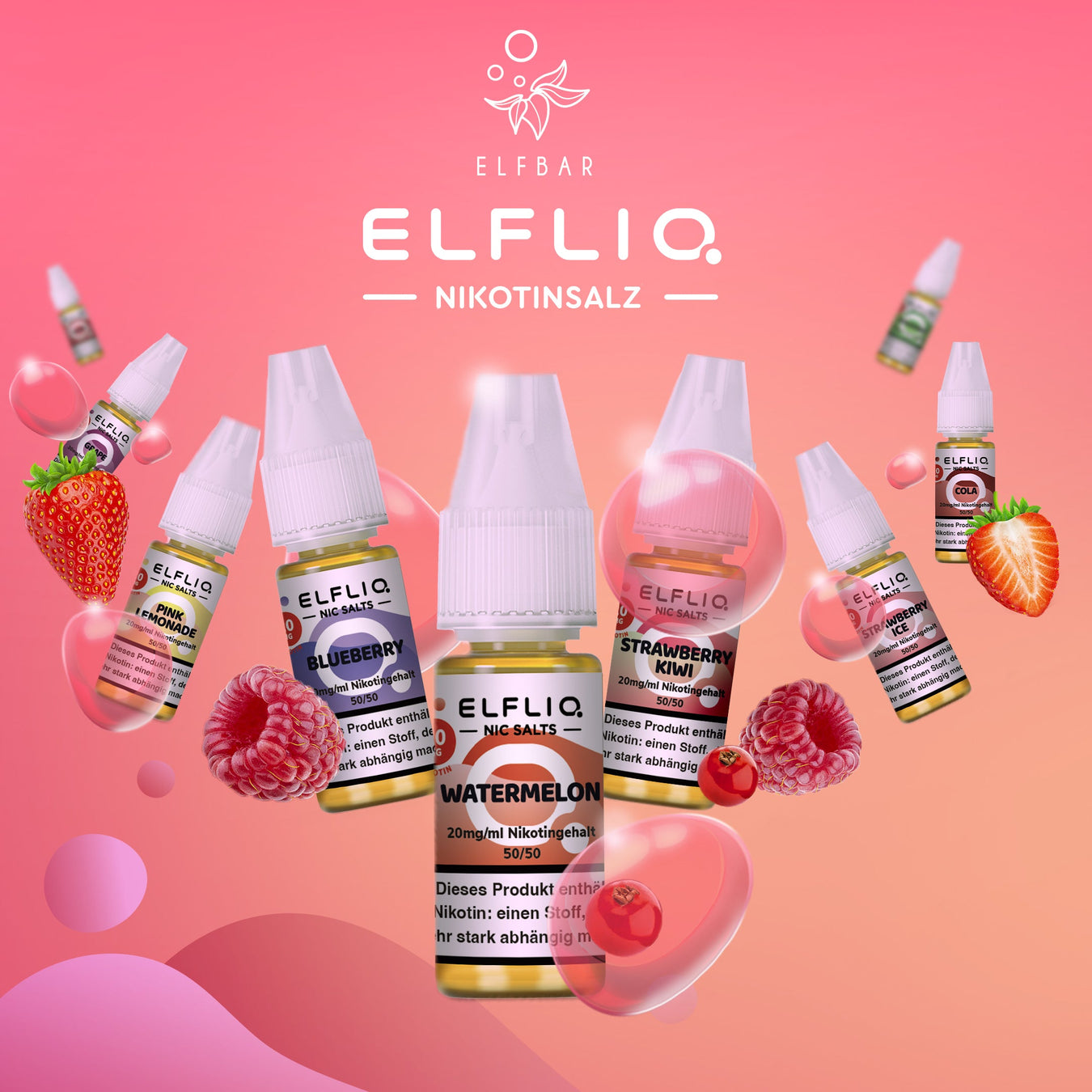
- Maximum fill quantity for refill containers: 10 ml
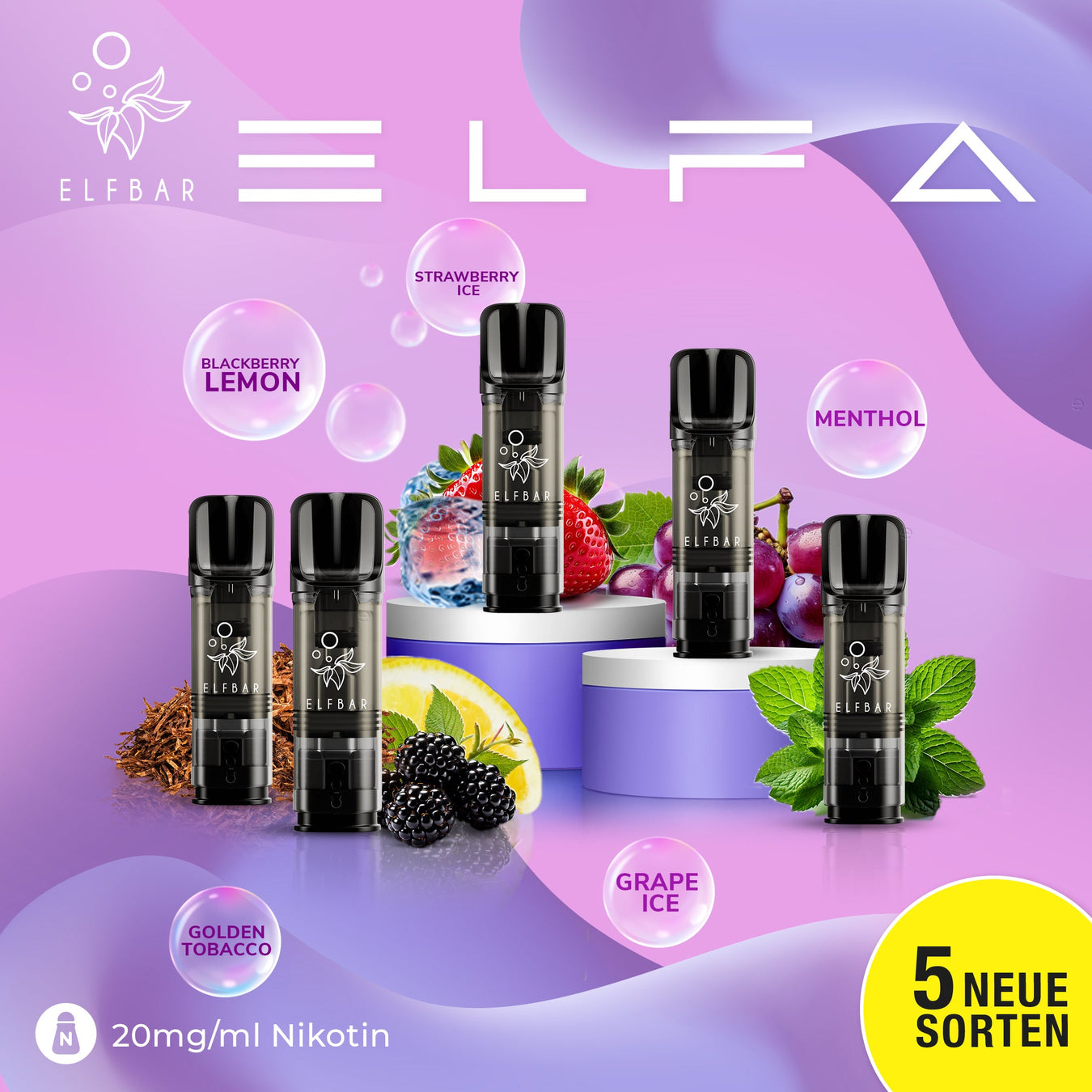
- Maximum fill quantity for Disposable-Pods/Cartridges: 2 ml
These rules are the reason why products like "
Reputable manufacturers adhere to these regulations and have their products tested for conformity and purity. Choosing a regulated product is therefore also a choice for tested quality and personal safety, as also guaranteed by the Federal Institute for Risk Assessment (BfR) The demand emphasizes in particular the protection of minors.
Summary: The path to the perfect vaping experience
Leaking pods are a solvable problem. The cause is almost always the incorrect viscosity of the e-liquid. While high-PG liquids are too thin for modern mesh coils and leak, high-VG liquids are too thick and can lead to a burnt taste.
Combined with the correct filling technique – not overfilling and allowing sufficient waiting time – and the choice of high-quality, not overly sweetened e-liquids, you lay the foundation for long-lasting and frustration-free use. Instead of getting annoyed about leaks, you can focus on what matters: enjoying authentic flavors like in a real vape.
Disclaimer: This article is for informational purposes only and does not constitute medical advice. E-cigarettes are intended for adult smokers as an alternative to traditional cigarettes. They are not suitable for non-smokers, minors, pregnant or breastfeeding women, or people with cardiovascular disease. If you have any health concerns, please consult a doctor.
References
- Directive 2014/40/EU (Tobacco Products Directive) - eur-lex.europa.eu/2014/40/EU
- Law on Tobacco Products and Related Products (Tobacco Products Act) - www.gesetze-in the-internet.de/tabakerzg/
- Federal Institute for Risk Assessment (BfR) on e-cigarettes - www.bfr.bund.de/de/e_zigaretten-129574.html