Liquid viscosity: Why viscosity counts for pods
The invisible force in your pod: Understanding viscosity
Every vaper knows the frustration: suddenly the puff tastes burnt (a "dry hit") or the expensive e-liquid leaks from the pod and makes a mess of the device. Before you start looking for the problem with the pod or the e-cigarette, you should take a look at an often overlooked characteristic of your e-liquid: its viscosity, i.e., its thickness. An e-liquid that is too thin inevitably leads to leaking, while an e-liquid that is too thick blocks the flow to the heating coil and results in a burnt taste.
Viscosity is determined by the mixing ratio of the two main components of any e-liquid: propylene glycol (PG) and vegetable glycerin (VG). The correct PG/VG ratio is not a matter of chance, but rather the crucial factor for an optimal vaping experience, especially with modern devices. Pod systems with their fine, small coils. We'll explain why this is the case and how you can find the perfect one. Liquid find one for your device.
It's also important to know how to travel. Air pressure affects the liquid.
The building blocks of e-liquid: PG vs. VG
To master viscosity, we must first understand the two main players. Every e-liquid is based on a mixture of PG and VG, which each have very different physical properties.
What is propylene glycol (PG)?
Propylene glycol is a clear, odorless liquid with a very low viscosity – meaning it is very thin, similar to water. In e-liquids, it fulfills two main functions:
-
Flavour carrier: PG is an excellent solvent for flavorings and nicotine. A higher PG content often results in a clearer and more intense flavor.Flavour . - Throat Hit: PG produces the slight scratchiness in the throat that many former smokers know and appreciate from tobacco cigarettes. It simulates the sensation of inhaling smoke.
Due to its properties, PG is a widely used substance in the food and pharmaceutical industries, and is approved under the designation E 1520.
What is vegetable glycerin (VG)?
Vegetable glycerin (VG) is the exact opposite of PG. It's a natural liquid derived from vegetable oils and is significantly thicker (more viscous). If you tip a bottle of pure VG, it flows slowly and thickly, almost like thin honey. In e-liquid, VG is primarily responsible for vapor production.
- Dense clouds of steam: A high VG content produces large, dense vapor clouds.
- Gentleness: VG is very gentle on the throat and reduces the "throat hit" of PG.
- Light sweetness: It has a slightly sweet character.
Flavour , which can subtly influence the flavors in the liquid.
VG is also completely safe as a food additive (E 422) and is used in many everyday products.

The PG/VG ratio: A question of balance
The magic lies in the mix. Manufacturers combine PG and VG in different ratios to control the properties of the e-liquid. A typical 50/50 mix offers a balanced blend of
| Characteristic | High PG content (z.B. 70/30 PG/VG) | High VG content (z.B. 70/30 VG/PG) | Balanced (z.B. 50/50) |
|---|---|---|---|
| viscosity | Very thin liquid | Very viscous | Medium |
| Very intense & clear | Softer, sometimes muted | Good and balanced | |
| steam quantity | Low to moderate | Very large and dense | Moderate to good |
| Throat Hit | Strong | Weak to barely noticeable | Noticeable, but gentle |
Why viscosity is so critical specifically for pod systems
While large sub-ohm atomizers for cloud chasing, with their huge coils and wide liquid channels, can handle almost any viscosity, Pod systems far more sensitive. The reason lies in their compact design.
The intricate mechanics of the pod coils
The atomizer heads in pods are tiny. The cotton, which transports the e-liquid to the heating coil, is supplied with e-liquid through very small openings. This design is optimized for a specific type of e-liquid – and this is where viscosity comes into play.
Problem #1: The dry hit – when the e-liquid is too thick (high-VG)
A liquid with a high VG content (z.B. 70% VG or more is too viscous for these small openings. The flow falters. After a few
To avoid flow problems, be sure to observe the following. Waiting time for new pods.
Problem #2: Leaking – When the e-liquid is too thin (high-PG)
The opposite problem occurs with e-liquids that have a very high PG content. The thin liquid flows too quickly through the cotton and floods the atomizer chamber. The excess cannot be vaporized and seeks the path of least resistance – usually through the airflow openings. The result is a sticky, leaking pod system. Many users mistakenly diagnose a defective pod in this case, when often the e-liquid is simply the culprit. Switching to a blend with a slightly higher VG content can often work wonders.
Practical guide: The perfect PG/VG ratio for your device
The good news is: there's a simple rule of thumb for finding the right e-liquid. It's based on the electrical resistance of the coil, which is measured in ohms (Ω).
The golden rule: Orient yourself by the coil resistance.
-
Coils above 1.0 Ohm (Ω): This is the classic area for MTL (mouth-to-lung) devices and most prefilled pod systems. Here is a 50/50 PG/VG ratio The most universal and safest choice. It offers the perfect compromise between
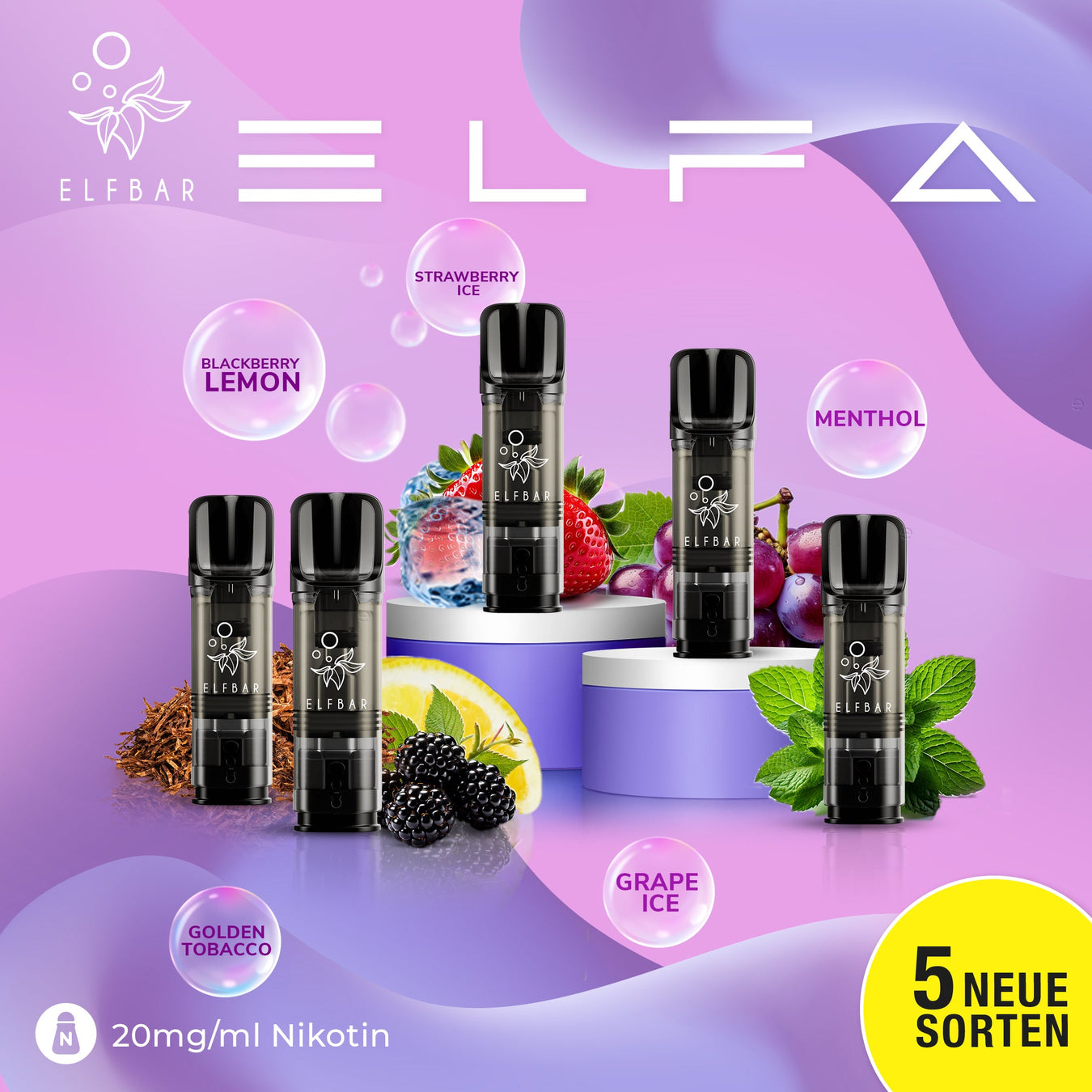
Flavour , steam and reflux. Devices such as theELFA Base unit Navy Blue are optimized for this type of liquid. -
Coils between 0.6 and 0.8 ohms (Ω): This area encompasses modern, more powerful pod systems that allow for a more open draw (restrictive direct-to-lung, RDL).A 50/50 ratio still works excellently here. However, you can also use liquids with a slightly higher VG content, for example. 40/60 PG/VG, Use it to generate a little more steam.
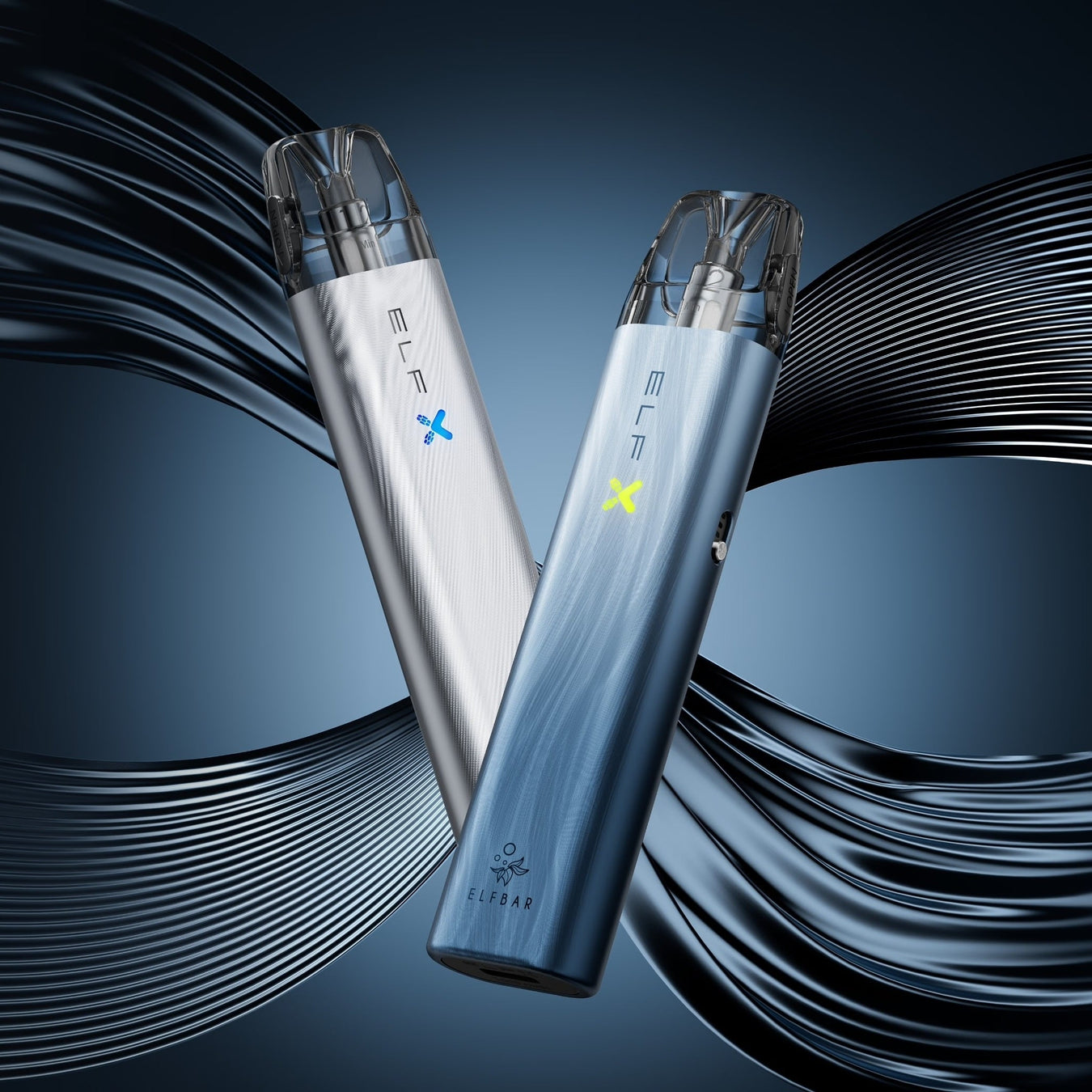
ELFX Pro Pink The kit, which comes with 0.6Ω and 0.8Ω pods, is a perfect example of this category.Those who mix their own e-liquid usually win the Cost comparison between pods and disposable products.
-
Coils below 0.6 ohms (Ω): This is the sub-ohm range. Liquids with a VG content of 70% or more are the norm here. The use of such viscous "sub-ohm liquids" in a normal pod system (> 0.8 Ohm) is one of the most common beginner mistakes and almost guarantees dry hits.

Checklist for choosing the right e-liquid
- Do you know your resistance? Check the ohm value printed on your coil or pod.
- Start safely: If you are unsure, a 50/50 PG/VG liquid almost always the right choice for a pod system.
- Customize to your liking: Want more vapor? Try using suitable coils (z.B. 0.8 ohms) a liquid with 60% VG. Is that familiar to you?
Flavour More important? Stick with 50/50. - Pay attention to the surroundings: In cold winter months, VG becomes even more viscous. A 50/50 e-liquid will remain stable in the wicking for longer than a high-VG e-liquid.
Special case: nicotine salts
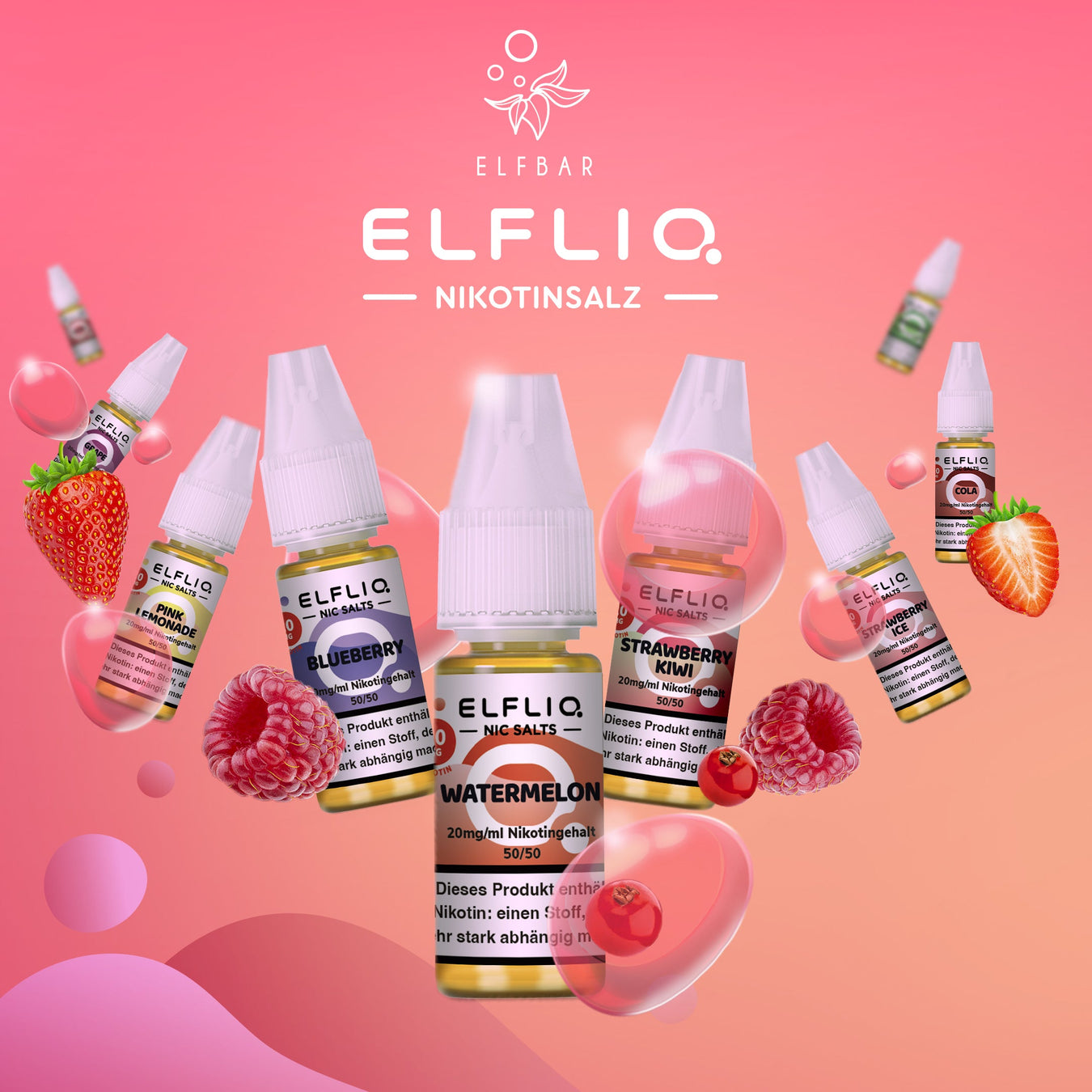
A major advantage of Nicotine salt e-liquids The advantage is that they are almost always in a pod-friendly format. 50/50 PG/VG ratio These liquids are offered. Manufacturers know that these liquids are primarily used in MTL pod systems. Therefore, anyone looking for a simple and effective liquid for their pod device will find nicotine salts to be an excellent choice.
Myths and common mistakes from practice
In online forums and communities such as the E-smoking forum The same problems keep recurring, which are due to a misunderstanding of viscosity.
-
Myth: "My pod is leaking, the quality is poor." As mentioned previously, in most cases the problem isn't the pod, but rather an e-liquid that's too thin. Before returning a device, try a 50/50 e-liquid. You can find more information in our guide on the topic. E-liquid leak in the pod.
-
Myth: "A lot of VG leads to a lot
Flavour “ That's a misconception. PG is the more effective one.Flavour VG contributes a slight sweetness, but too high a VG content can even mute complex flavors. For the most intenseFlavour Not only the liquid, but also the coil technology is crucial, as modern Mesh Coils prove. -
Myth: "You can vape any liquid in any e-cigarette." This is the most dangerous and expensive myth. Anyone who fills a 70/30 VG/PG e-liquid into an MTL pod system will not only end up with burnt e-liquid.
Flavour It not only punishes but also quickly ruins its coils. Proper use is essential for a safe and satisfying vaping experience, a point also emphasized by the Federal Institute for Risk Assessment (BfR) emphasized in his reviews of e-cigarettes.
Your path to the perfect vaping experience
The viscosity of your e-liquid is not a minor detail, but the key to a functioning and enjoyable vaping experience with your pod system.Instead of randomly grabbing flavors, you should pay the same attention to the PG/VG ratio.
The most important finding is simple: For the vast majority of pod systems, a 50/50 PG/VG ratio is the gold standard. It prevents both annoying leaking and unpleasant dry hits. Only if you are using a more powerful pod device with coils below 1.0 ohm should you consider a moderately higher VG content for more vapor.
Check your current e-liquid. If you're experiencing any of the problems described, invest in a high-quality 50/50 e-liquid. You'll be surprised how reliable and
Legal notice: This article is for informational purposes only. The content does not constitute medical advice and should not be considered a substitute for professional consultation with a physician or qualified healthcare provider. If you have any health concerns, please consult a doctor. E-cigarettes are intended for adult smokers as an alternative to tobacco cigarettes and are not suitable for non-smokers, minors, or pregnant women.
References
- Federal Institute for Risk Assessment (BfR) - E-cigarette review
- Cochrane Library - Electronic cigarettes for smoking cessation
- Federal Office of Justice - Tobacco Products Act (TabakerzG)