Store vape batteries safely: protection against short circuits and heat

The invisible danger in your pocket: Why battery care is not a bonus
The safe transport of spare e-cigarette batteries is an issue that many vapers underestimate – often until the first "hot moment". A loose 18650 or 21700 cell rolling around in a trouser pocket or backpack among keys and coins is not a trivial matter, but a significant safety risk.
The physical background: A short circuit occurs when a conductive object simultaneously touches the positive terminal (top) and the negative terminal (almost the entire remaining casing). Since the terminals in high-performance lithium-ion batteries are separated only by a tiny insulating washer and an extremely thin film, a metal key is enough to complete the circuit. The battery discharges abruptly. The consequences range from extreme heat generation and outgassing to thermal runaway – a chain reaction that can trigger fires. Based on technical safety standards such as the IEC 62133, the Safety of portable sealed secondary cells As regulated, physical protection against short circuits is the most important preventive measure.
Rule No. 1: Never without a certified protective case
The golden rule is: A battery should either be in its charger, in its battery holder, or in a protective case. A simple plastic bag or wrapping it in fabric offers no protection against sharp objects or pressure.
Don't forget yours too. Regularly maintain the battery carrier, to avoid technical defects in the device.
What you should pay attention to when buying a battery storage box
In our daily customer support practice, we often see that inferior boxes burst open. When buying, pay attention to the following features:
- Material: robust polypropylene (PP) or impact-resistant ABS plastic.
- Closure: A secure snap closure that won't open by itself in your pocket.
- Separation: The box must have solid dividers to prevent the cells from bumping against each other.
- Fit: The batteries (e.g. 18650 or 21700) should fit snugly without much play to dampen mechanical vibrations.
Checklist for transport:
- Use only hard plastic boxes or silicone sleeves.
- Never transport more than two batteries in a standard double box.
- Keep the box away from liquids (leaking). E-Liquid (can promote corrosion).

Rule No. 2: The daily visual inspection (The 5-second check)
Before using a battery, a visual inspection is essential. In our workshop, we observe that over 90% of all battery defects are caused by damaged outer wraps. Since the entire metal casing is located under the foil covering the negative terminal, any scratch acts like an exposed wire.
Pay attention to these warning signs:
- Cracks in the wrap: Especially along the top and bottom edges. If metal shows through: Immediate stoppage of use.
- Dents or deformations: Lithium cells are manufactured with precision. A dent can cause internal short circuits in the layers (anode/cathode). Such batteries are unpredictable.
- Damaged insulating ring: The small plastic plate on the positive terminal is the last barrier against a short circuit. If it is missing, the battery is life-threatening.
Expert tip: Damaged wraps can often be replaced for a few cents ("rewrapping").However, if the metal casing (the cup) itself is dented, only proper disposal will help. According to the Battery Act (BattG) We and other retailers are obligated to accept returns free of charge.

Rule No. 3: Temperature Management – The 60-degree limit
Lithium-ion batteries are chemical power plants that operate stably within a narrow temperature window.
- Heat risk: In summer, inside a parked car Temperatures exceeding 60 °C are generated. According to safety data sheets from leading manufacturers (such as LG or Samsung), accelerated aging begins above this threshold. At temperatures above 80 °C, the separator layers are at risk of decomposition.
- Life: Studies on battery aging (e.g., by Battery University) show that prolonged storage at temperatures above 30°C can permanently reduce capacity by up to 20% after just one year.
- Cold: Extreme cold below 0 °C may not permanently damage the chemicals, but it massively reduces power output (voltage drop).
Ideal storage: Store in a dry place at 15–25 °C. If you want to store your batteries for a longer period, do so at about 50–60% charge level (approx. 3.7 volts) – this is the most stable chemical state.
Best Practiceice s for long and safe battery use
1. The "marriage" of batteries
If you're using a mod with two or more batteries, always use the same pair. They should be purchased, charged, and discharged together ("married batteries"). This ensures that both cells have the same internal resistance and wear level, which protects your device's electronics and increases safety.
2. Correct charging
Avoid discharging batteries down to 0%. While modern battery carriers do shut off in time, frequent discharges to the lower limit stress the cell chemistry. If possible, use an external charger with overcharge protection and temperature monitoring.
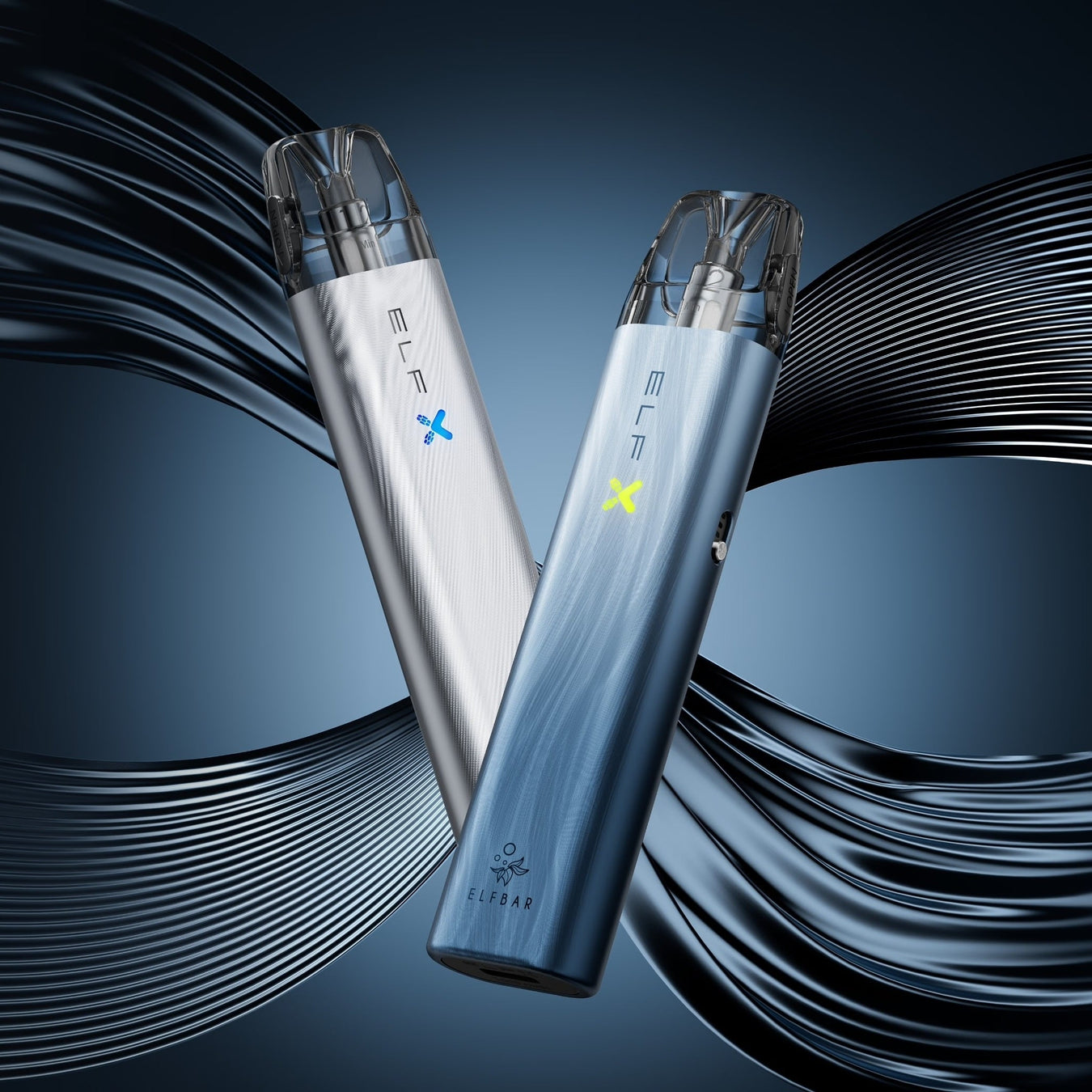
The alternative: Integrated battery systems for maximum safety
For vapers who don't want to deal with technical details like wraps and pole insulation, closed systems are the safest choice.
Devices like the
(Note: The products mentioned are examples from our range. We recommend them because of their integrated safety features and compliance with EU regulations.)

Summary: Your safety checklist
- Transport: Only in the hard plastic box with individual locking mechanism.
- Check: Daily check of wrap and insulating ring.
- Location: Never leave it in a hot car or in direct sunlight.
- Load: Use high-quality chargers; never leave them unattended overnight.
- Disposal: Defective batteries belong in the collection box at the store, never in household waste.
Disclaimer: This article is based on general technical standards (such as IEC/UN 38.3) and practical experience with e-cigarettes. It does not replace professional advice.Handling high-performance batteries is at your own risk. If the battery becomes hot or deformed: immediately stop the device safely and consult a specialist.
Sources & Standards:
- IEC 62133: International standard for the safety of lithium-ion batteries.
- UN 38.3: Test criteria for the safe transport of lithium batteries.
- Federal Ministry for the Environment (BMUV) - Battery Act
- EU Tobacco Products Directive (TPD)