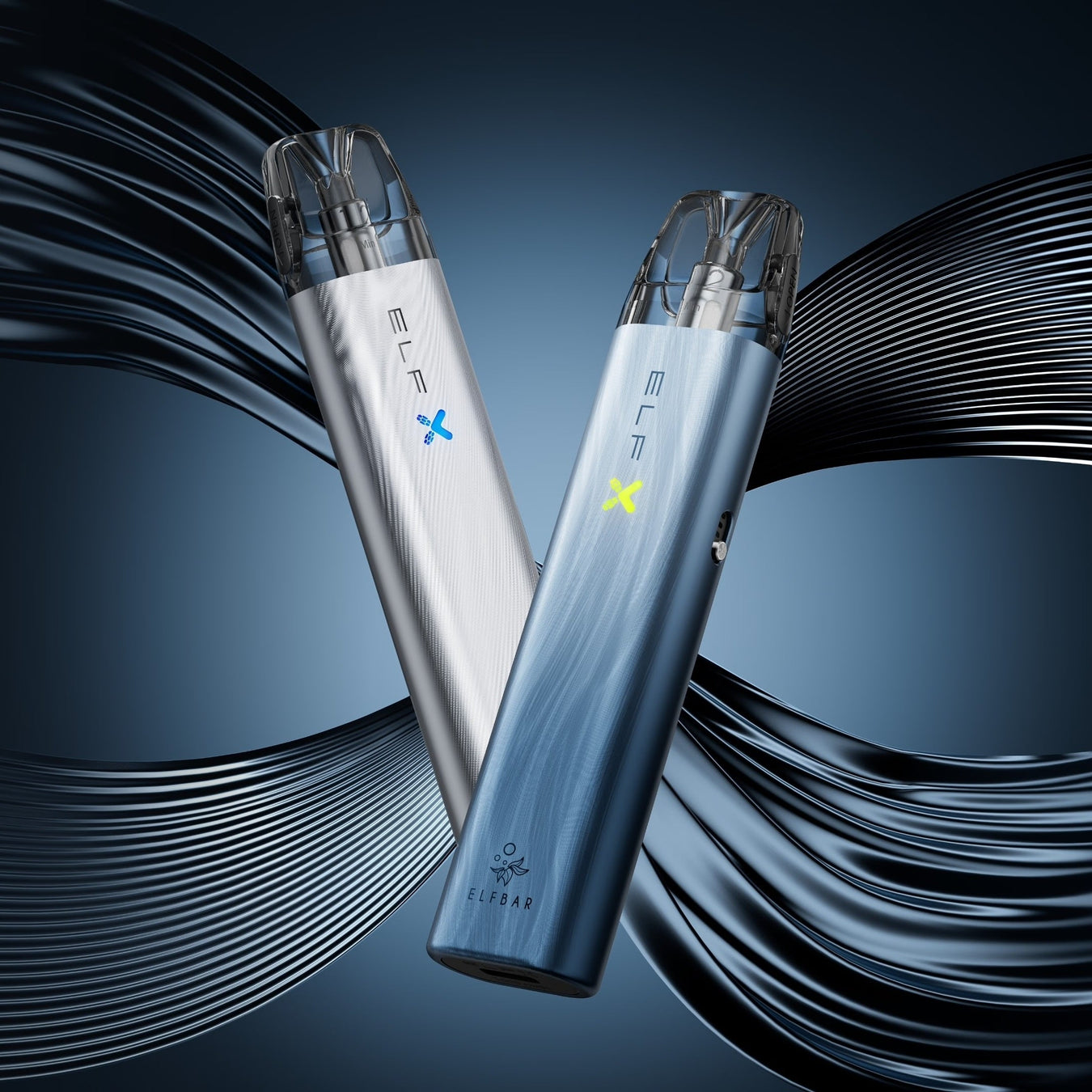
Stop smoking with an e-cigarette: This is how you make the switch
Is it possible to quit smoking with an e-cigarette?
Some people quit smoking with the help of an e-cigarette. However, this is not a guaranteed method. In Germany, e-cigarettes are not approved as a smoking cessation aid, but rather as a consumer product. Studies such as the Cochrane review indicate higher quit rates than with traditional nicotine replacement therapy; nevertheless, professional organizations like the German Respiratory Society recommend evidence-based methods with medical supervision.
This article explains what can and cannot work. It does not replace medical advice. Those who are serious about quitting smoking often benefit more from a combination of counseling, behavioral changes, and choosing the right aids than from simply choosing a product.
Is the e-cigarette an officially recognized smoking cessation aid in Germany?
No. In Germany, e-cigarettes are not approved as a medicine for smoking cessation. They are marketed as consumer products. The German Respiratory League and the German Society for Pneumology (DGP) state in their position paper that, in their assessment, electronic cigarettes are not suitable for smoking cessation and that medical advice and pharmaceutical aids such as nicotine replacement therapy or varenicline/bupropion (where available) should be preferred instead.
Cochrane evaluates the international body of research differently: In the studies analyzed, nicotine-containing e-cigarettes showed higher smoking cessation rates than traditional nicotine replacement therapy. However, Cochrane emphasizes that serious side effects were rare and that longer and larger studies are still needed to definitively assess long-term safety. These two perspectives are not contradictory: There is evidence of effectiveness; at the same time, there is no conclusive consensus that e-cigarettes are the best aid.
What might a transition look like in practice?
Anyone attempting a career change should treat it as a plan, not a gut feeling. Success rates cannot be guaranteed, but taking structural steps increases the likelihood that the goal remains realistic.
- Clarify the goal: Is the goal "to get away from tobacco smoke" or "to get away from nicotine"? Both are legitimate, but lead to different paths.
- Stop tobacco smoke completely: Dual-use e-smoking—smoking plus vaping—significantly reduces the benefit. Cochrane and public health sources see the benefit primarily in switching completely.
- Choose nicotine strength: 20 mg/ml is the legal upper limit in Germany (Tobacco Products Ordinance §27). Those recovering from severe tobacco addiction often need a higher strength initially. Gradually reducing the dosage later is an option, not mandatory.
- Choose devices realistically: Disposable vapes, pre-filled pods, refillable systems — each category has its own advantages and disadvantages. Read more in the article. Disposable vape vs. pod system.
- Include consultation: The BZgA smoke-free info Offers free telephone, chat, and forum counseling. General practitioners' offices are familiar with local addiction counseling services.
- Identify the trigger: Breaks, stress, coffee, alcohol, social situations — those who know their triggers can change their routines.
- Plan for relapses: Quitting smoking is rarely a linear process. A relapse does not mean the end of an attempt.
A further analysis of the tobacco vs. vape question can be found in the article. E-cigarettes vs. tobacco: scientific report.
What risks should be taken seriously with this approach?
An e-cigarette is not harmless.Aerosol can irritate the respiratory tract; the German Federal Institute for Risk Assessment (BfR) points out that heating can produce harmful and sometimes carcinogenic substances such as aldehydes from vaporizing agents. Nicotine can be addictive. Those who "quit smoking" with e-cigarettes often remain addicted to nicotine—just to a different source. For many, this represents a genuine reduction in harm, but it doesn't resolve the addiction issue.
- Nicotine addiction is shifting: From tobacco to vaping; this can create a new form of consumption.
- Dual-use: Those who continue to smoke alongside smoking will still be exposed to tobacco smoke as the main burden — the benefit decreases significantly.
- Respiratory irritation: A scratchy throat, cough, and dry mouth are common in the first few weeks, often mild.
- Pre-existing conditions: COPD, asthma, and cardiovascular diseases require medical supervision; self-treatment is not a good idea.
- Pregnancy, teenagers, non-smokers: Nicotine exposure is particularly critical here; switching to e-cigarettes is not the intended route.
The question "How much nicotine is actually too much?" is answered here Too much nicotine: Signs and concentration. The medical perspective on lungs and aerosols can be found in the article. What do lung specialists say about vaping?.
What role does nicotine strength play when switching to e-cigarettes?
Those who smoke 20 or more cigarettes a day are usually heavily addicted to nicotine. Starting with too low a vaping dose often leads to increased addiction.
Reducing the strength is possible later, but not necessary for everyone. Some people stay at a medium strength for a long time and manage to get through daily life with it. More important than the number on the label is that tobacco smoke actually doesn't return.
What does research say about the success rate?
Reliable "success rates" expressed as percentages are misleading when taken out of the study context. Cochrane evaluates individual studies in which nicotine-containing e-cigarettes achieved higher quit rates than nicotine replacement therapy. These data apply to clinical trial conditions with counseling and support. In everyday life without support, outcomes are often worse. Therefore, the statement "Vaping always works" is inaccurate; "Vaping can be a helpful tool if the plan is fully effective" better reflects the current state of research.
What evidence-based alternatives are there?
The Federal Centre for Health Education (BZgA) and professional associations list several methods that are well-researched scientifically:
- Nicotine replacement therapy: Plasters, chewing gum, lozenges, sprays — also available in pharmacies.
- Behavioral therapy: Individually or in groups; often crucial for relapse prevention.
- Telephone and chat consultation: Low-threshold, anonymous, free of charge (BZgA).
- Primary care physician support: For medication, pre-existing conditions, and monitoring of progress.
E-cigarettes don't exclude these options—they can be combined with them. The idea of "either vaping or counseling" is a false dichotomy.
How do you deal with relapses?
Relapses are common during the process of quitting smoking.They are not evidence of weakness and no reason to abandon the attempt entirely. Public health sources like the Federal Centre for Health Education (BZgA) recommend treating a relapse as information: What situation triggered it? What was different compared to stable days? Recognizing triggers allows you to adjust your routine and start the next attempt better prepared. Several attempts are often necessary—this applies to both traditional methods and switching to e-cigarettes. Those who have failed multiple times often benefit most from structured counseling or behavioral therapy rather than another solo attempt.
What expectations are realistic?
"Going tobacco-free within a week and nicotine-free within a month" isn't a realistic plan for many people. A more realistic approach is to completely quit smoking tobacco in the first few weeks, establish a stable daily routine with a suitable vape strength, and only then address the question, "Do I want to quit vaping altogether?" Some people stay at a medium strength for several months before reducing their nicotine intake. Others never reduce their intake and see quitting tobacco smoking as the ultimate goal. Both are legitimate paths, as long as tobacco smoking doesn't return and the plan is honestly monitored.
Original product — why this is important
Studies refer to regulated products. Counterfeit vapes may contain different nicotine concentrations, other ingredients, or contaminants. Anyone serious about switching should buy from authorized sources and verify authenticity — see Fake
In short: How to quit e-cigarettes
E-cigarettes are not an approved smoking cessation aid in Germany. Studies show that they have helped people quit smoking tobacco – but this is not a guarantee. A complete switch away from tobacco, choosing the right strength, seeking advice from the Federal Centre for Health Education (BZgA), and medical supervision increase the chances of success. If you have pre-existing medical conditions or unclear symptoms, your plan should be reviewed by a doctor.
Frequently Asked Questions
Is the e-cigarette a recognized means of quitting smoking?
Not approved as a medicine in Germany. Internationally, there are studies that suggest its effectiveness. However, professional societies such as the German Respiratory Society recommend evidence-based approaches with medical supervision as a first step.
Can I use a Elfbar How to quit smoking step by step?
Possible, yes, guaranteed not. Those who quit smoking tobacco completely, know clear triggers, and seek advice have a more realistic chance of quitting. Dual-use tobacco significantly reduces this advantage.
Which is better: nicotine patches or e-cigarettes?
Both have supporting studies, and both have users who have successfully quit. Patches are approved as medications and require medical supervision; e-cigarettes are consumer products. In individual cases
Sources
- Cochrane Review: Electronic cigarettes for smoking cessation
- German Respiratory League/DGP: Position paper on e-cigarettes
- BfR Press Release 40/2024: E-cigarettes and long-term effects
- BZgA smoke-free information: Advice, telephone hotline, methods
- Tobacco Products Ordinance §27: Maximum content 20 mg/ml
This article is not a substitute for medical advice. If you have any concerns or specific questions, please contact your doctor or an addiction counseling center.