Nicotine limits in Germany: 20 mg/ml and Elfbar
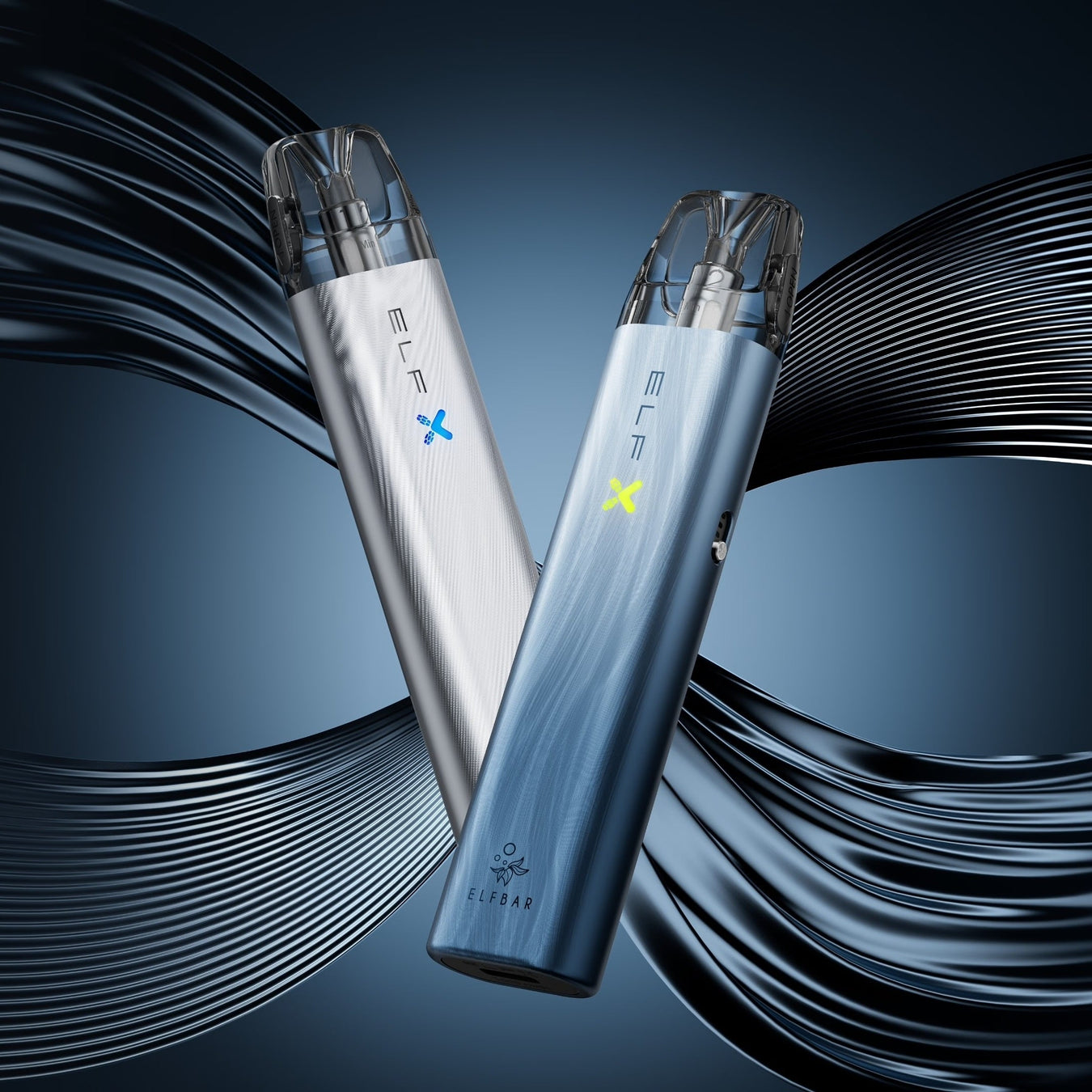
In Germany, the permissible nicotine limit for e-cigarettes and e-liquids is 20 mg/ml. This is based on the TPD Directive 2014/40/EU, transposed into national law through the Tobacco Products Act (TabakerzG) and the Tobacco Products Ordinance (TabakerzV). Disposable vapes such as the
What is the legal limit for nicotine in Germany?
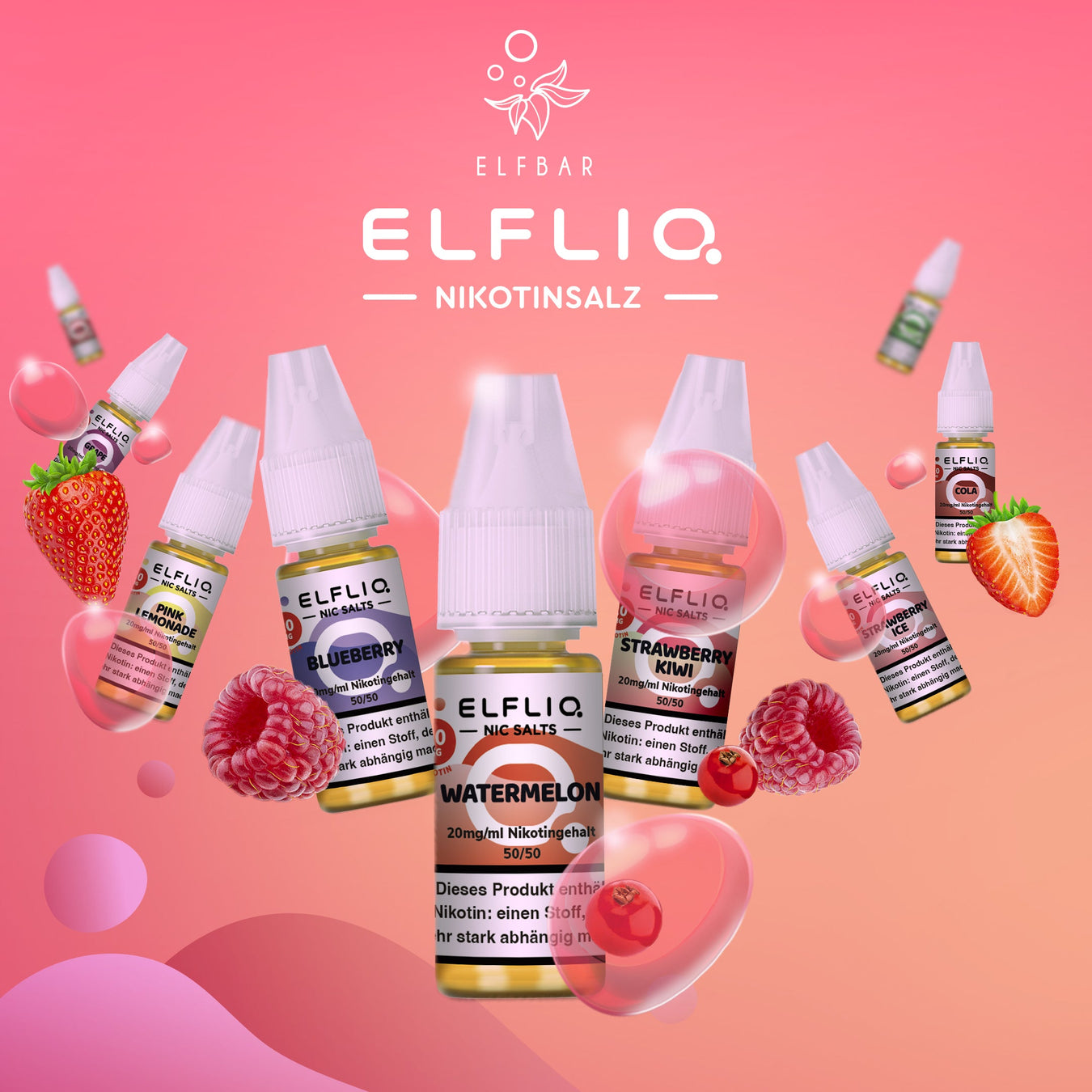
20 mg/ml. This is the EU-wide legal maximum limit for nicotine-containing e-liquids and pre-filled e-cigarettes. Higher concentrations of e-liquids may not be sold in Germany or on the EU market. This limit applies regardless of whether it is a disposable vape, a pre-filled pod, or a refill e-liquid in a 10 ml bottle.
The legal basis is the Tobacco Products Directive 2014/40/EU (Article 20) and, in Germany, the Tobacco Products Ordinance (TabakerzV) with its specified maximum levels. The corresponding mandatory information and warnings are available in §27 Tobacco Products Ordinance; prohibited ingredients in §28 Tobacco Products Ordinance.
What strengths are commercially available?
In the legal German market you will typically find:
- 0 mg/ml — nicotine-free; see Nicotine-free liquids & Vapes.
- 10 mg/ml — medium strength, often used for recreational vaping or reduction steps.
- 20 mg/ml — legal maximum, often found in nicotine salt liquids and disposable devices.
Some manufacturers offer additional intermediate doses such as 6 or 12 mg/ml.
What exactly does "20 mg/ml" mean?
20 milligrams of nicotine per milliliter of e-liquid. In a 2 ml pod or disposable vape, this equates to a maximum of 40 mg of nicotine per device; in a 10 ml bottle, a maximum of 200 mg. The actual amount absorbed while vaping depends on the inhalation technique, coil, and e-liquid base. A rough guideline compared to cigarettes is... How many cigarettes are one
Why exactly 20 mg/ml?
The TPD sets a limit of 20 mg/ml to restrict nicotine intake per puff to a level no higher than that of an average cigarette. Higher concentrations—as are common in some third countries—are not permitted in the EU. This is a deliberate consumer protection measure, not manufacturer marketing.
Tank size and container size: What does the law say?
In addition to limiting concentration, the TPD also restricts container size:
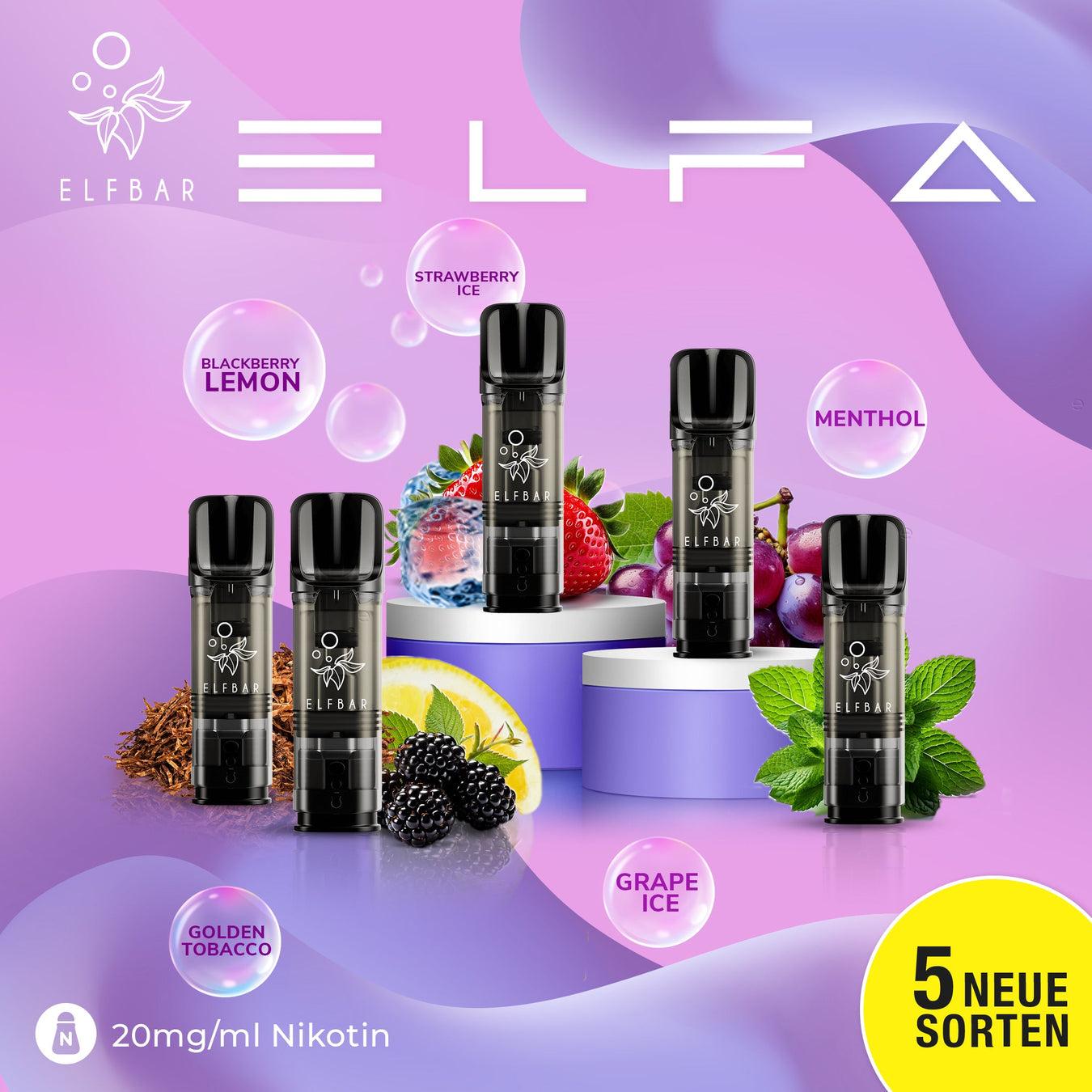
- 2 ml per disposable vape or pre-filled pod
- 10 ml per refill bottle
Larger tanks or bottles are not permitted on the EU market. This is also a mark of authenticity: Anyone who buys a "
Which strength suits me best?
A brief overview — not a medical recommendation:
- Heavy smoker (≥ 1 pack/day): usually 20 mg/ml, often as nicotine salt for a gentler throat hit.
- Average consumption: 10 mg/ml, possibly 12 mg/ml.
- Reduction/Pleasure Steamer: 10 mg/ml gradually reduced to 0.
-
Nicotine-free: 0 mg/ml — see
Elfbar nicotine-free.
Those who want to gradually reduce their nicotine intake can use pod systems such as...
What about e-liquids that are offered online "without limit"?
Such products typically originate from third countries and are not approved for sale in Germany. They may deviate from TPD standards in terms of nicotine content, ingredients, and safety. Purchasing from outside authorized EU retailers involves significant uncertainties—including questions regarding authenticity, quality, and taxation. Learn more in TPD Directive and
Does the limit also apply to nicotine-free products?
Nicotine-free e-liquids (0 mg/ml) are not "tobacco products" in the strict sense, but are nevertheless subject to ingredient and labeling requirements. Container sizes and the prohibition of certain additives according to Annex 2 of the Tobacco Products Ordinance also apply here. You can find an overview of permitted 0 mg/ml products in [link to relevant section]. Nicotine-free.
Salt vs. Freebase: Does it make a difference to the limit?
No. The 20 mg/ml limit applies regardless of the nicotine form—salt or freebase. What differs is the absorption curve: nicotine salt delivers a faster and smoother absorption, which is why 20 mg/ml salt usually has a gentler effect than 20 mg/ml freebase. Nicotine salt is standard in pod systems. Those who want to understand the difference can find the details in [link/reference]. Nicotine salt vs Freebase.
How does the limit affect the purchase price?
The TPD limits indirectly lead to increased packaging costs: smaller bottles, more mandatory information, higher notification fees. You'll only notice this slightly in the end-customer price—the main cost drivers remain taxes, logistics, and brand margin. Those looking to save money in the long run should opt for refill pods and 10ml bottles.
What if the border lowers in the future?
The TPD is regularly reviewed. A lower nicotine limit (e.g., 15 mg/ml or 12 mg/ml) is under discussion, but as of May 2026, it has not been decided. Adjustments to flavor restrictions and labeling requirements are more likely in the short term. We will update this article as soon as a new limit comes into effect—until then, the limit is 20 mg/ml.
How does the limit value relate to the tank size?
Both limits work together: 20 mg/ml × 2 ml = a maximum of 40 mg of nicotine per disposable vape. This is a deliberate upper limit to prevent a single device from leading to extremely high nicotine consumption. With a 10 ml refill bottle × 20 mg/ml × 1 ml consumption per day, this theoretically results in a range of one to two weeks—depending on the coil, vaping style, and vaporizer performance. Those who want better control over their consumption will benefit from the pod system (refilling the pod as needed, changing the strength) compared to the disposable device (fixed strength per device).
What about imports from the USA or UK?
US e-liquids often have a THC content of 35 or 50 mg/ml—not permitted in Germany. UK e-liquids comply with the TPD standard and are more widely accepted within the EU; however, since Brexit, shipping has become restricted and customs procedures more complex. Private imports to end consumers in Germany are very limited; commercial imports without notification are illegal. In practice: Stay within the EU market and buy from German suppliers.
FAQ: Nicotine limits in Germany
What is the maximum nicotine limit?
20 mg/ml in liquids and pre-filled pods/disposable devices.
Does this only apply to
No. The limit applies to all nicotine-containing e-cigarettes and liquids on the EU market.
How large can a tank be?
Maximum 2 ml for disposable and prefilled pods, 10 ml for refill bottles.
Are 50 mg/ml liquids allowed?
No, not in Germany and not in the EU. Such concentrations come from third-country markets.
Where exactly is that stated?
TPD 2014/40/EU Art. 20, implemented in Germany via the Tobacco Products Act and Tobacco Products Ordinance (see §27).
Conclusion
The 20 mg/ml rule is the central nicotine limit for e-cigarettes in Germany. It protects consumers and shapes the
Last updated: May 2026. This article does not constitute legal advice. For legal questions, please consult a qualified professional.
Author: Michael