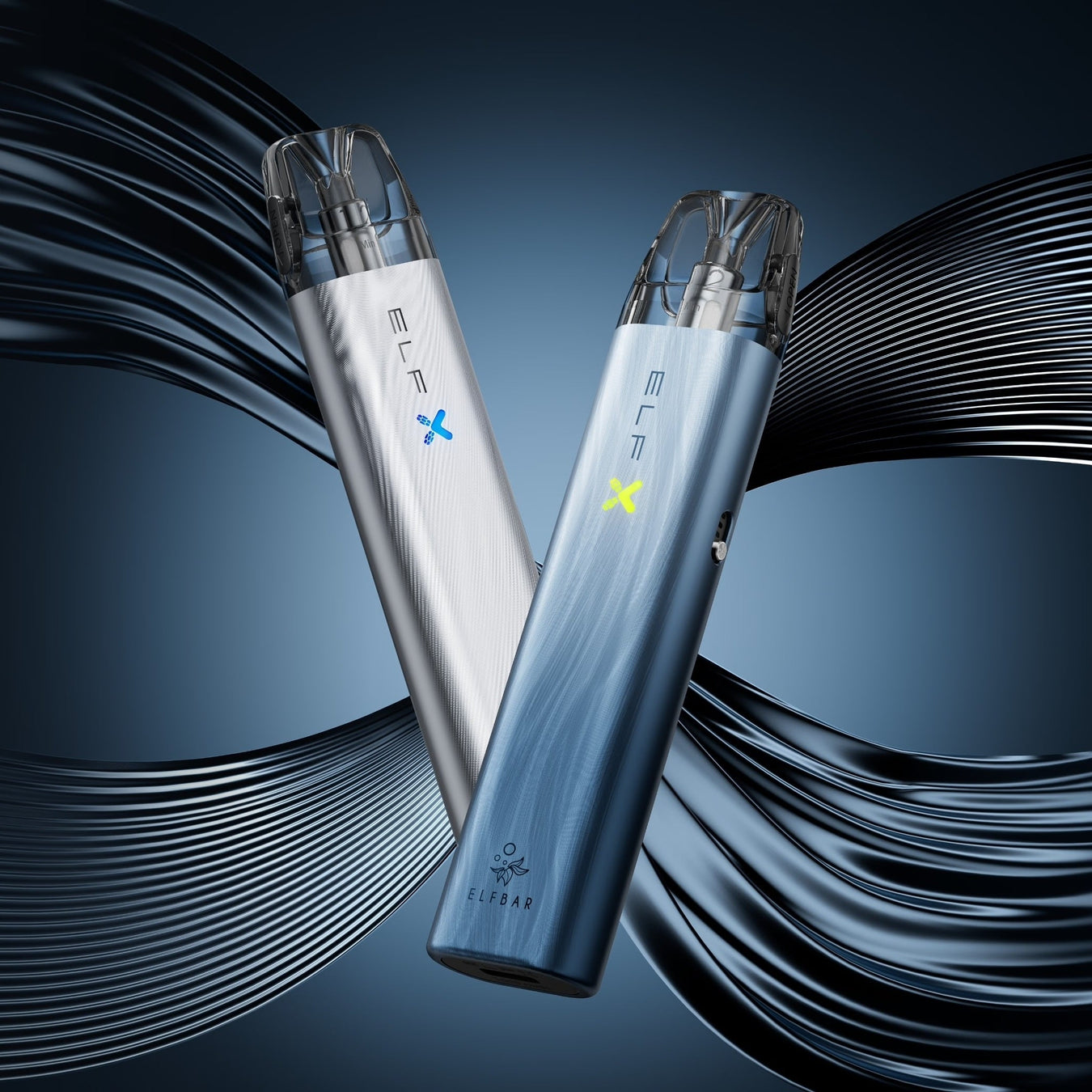
Load mod: use USB-C or external charger?
Convenience versus battery life: Is charging via USB-C really a good idea? We examine the pros and cons of both methods and give a clear recommendation for the longevity of your batteries.
Modern battery carriers and Pod systems like that
Also, make sure it's high quality. USB-C cable to conserve battery power and to avoid voltage losses.

This article delves deep into the subject. We analyze the charging electronics, highlight the risks of heat generation and voltage imbalances, and provide clear, practical guidance to help you make the best choice for your device and usage habits.
The USB-C method: Fast, simple, but with compromises
Charging directly in the battery carrier is the simplest method. It requires no additional accessories and is ideal for on the go. However, this convenience comes at a price, which often only becomes apparent after months in a noticeably shorter battery life.
The hidden disadvantages of internal loading
Even though the charging electronics in modern devices are constantly improving, they often can't match the precision and safety features of a dedicated external charger. The problems lie in the details:
1. Heat generation: The enemy of every battery
Every charging process generates heat. With internal charging, this heat is generated directly inside the device, in close proximity to the battery and the mod's sensitive control electronics. Lithium-ion batteries are very sensitive to high temperatures; a consistently elevated temperature accelerates the chemical aging of the battery cells. The result is an irreversible loss of capacity. You will need to charge your battery more and more frequently.
Practical tip: If you leave your device plugged into the USB-C cable overnight, it goes through a so-called "trickle charge" cycle. After reaching 100%, it discharges slightly and is immediately recharged to 100%. This constant stress at full charge, combined with the heat generated, is one of the main causes of premature battery aging.

2. Inaccurate charging electronics and overcharging
A high-quality external charger The charging process ends at exactly 4.2 volts per cell – the optimal voltage for a full and gentle charge. The charging electronics used in battery carriers are often simpler in design. In some cases, the charging voltage may be slightly exceeded. Even minimal deviations stress the cell and shorten its lifespan.
3. Voltage imbalance in devices with multiple batteries
This is the most critical point for mods with two or more replaceable battery cells. When internal charging via USB-C The batteries are often not charged perfectly evenly. Over time, a voltage difference (imbalance) develops between the cells. One cell is more charged than the other. This causes the mod to shut down earlier (as soon as the weaker cell is empty), even though the other cell still has residual capacity. The overall battery life decreases noticeably. Even worse: The cells age at different rates, rendering the "married" battery pair unusable.
The external charger: The professional method for maximum battery life
An external charger is an investment that pays off – in terms of longevity, safety, and consistent performance. It's the method recommended by experts, especially for vapers using devices with replaceable batteries.
Why external chargers are superior
1. Precise and individual cell charging
A good external charger has separate charging bays that monitor and charge each cell individually. The charging process stops for each cell individually as soon as the optimal voltage of 4.2V is reached. This prevents any overcharging and ensures a perfectly balanced state, which is particularly crucial for battery pairs.

2. Significantly lower heat generation
Since the charging process takes place outside your valuable battery carrier, its electronics are not subjected to any additional heat stress. The batteries can freely dissipate heat into the environment, which significantly slows down the aging process.
3. Care of "married" batteries
For devices with multiple batteries, it's essential to "marry" the batteries. This means always using the same batteries as a fixed pair (or trio), buying them together, and always charging them together in an external charger. This is the only way to ensure they maintain identical voltage and performance throughout their entire lifespan.
Comparison table: USB-C vs. External charger
| Characteristic | Charging via USB-C in the mod | Charging with an external charger |
|---|---|---|
| comfort | ★★★★★ (Very high) | ★★★☆☆ (Additional device required) |
| Battery life | ★★☆☆☆ (Lower, due to heat) & Stress) | ★★★★★ (Maximum, through gentle charging) |
| Security | ★★★☆☆ (Depending on mod quality) | ★★★★★ (Highest safety through protective circuits) |
| Balance (Multi-battery) | ★☆☆☆☆ (Risk of Imbalance) | ★★★★★ (Perfect balance through single-cell charging) |
| Acquisition costs | ☆☆☆☆☆ (None) | ★★★☆☆ (One-time investment) |
| Ideal for... | On the go, emergencies, single-battery devices | Daily charging, all multi-battery devices |
Practical recommendations: What type of charger are you?
The best method depends on your device and your usage patterns.
Scenario A: The casual vaper with a pod system or single-battery device
You use a compact system with a permanently installed or a single replaceable battery, such as the
- Avoid charging overnight: Disconnect the device from the cable once the battery is fully charged.
- Provide cooling: Do not charge the device in direct sunlight or under a blanket.
Scenario B: The enthusiast with a powerful multi-battery mod
If you are using a battery carrier with two or more replaceable batteries, a An external charger is an absolute must.. Only use the USB-C port in emergencies or when traveling if you don't have your charger with you. External charging is the only way to ensure a perfect balance between the cells, get the maximum lifespan from your batteries, and guarantee safety.
Safety and proper disposal
Regardless of the charging method, safe handling of batteries is of utmost importance. Always observe the following points:
- Use intact batteries: Never use batteries with damaged insulation.
- Correct storage: Always transport loose batteries in a protective plastic box designed for this purpose.
- Proper disposal: Batteries and old e-cigarettes are hazardous waste. According to German regulations. Battery Act (BattG) Retailers are obligated to take back old batteries and devices. You can also drop them off free of charge at municipal collection points (recycling centers). Compliant manufacturers and retailers are listed with the EAR Foundation registered, which regulates the disposal of electronic waste in Germany.
Conclusion: A smart investment in the future
Choosing the right charging method isn't voodoo; it's based on sound technical principles. While USB-C charging offers unparalleled convenience and is a good option for basic devices, it's only the second-best choice for ambitious vapers with high-performance mods.
A high-quality external charger is the smartest investment you can make in the longevity of your batteries and the safety of your setup. It treats your battery cells with the care they need to deliver consistent performance over hundreds of cycles. Think of it as insurance for your equipment and a guarantee of a consistently satisfying vaping experience.
Disclaimer: This article is for informational purposes only and does not constitute professional technical advice. Handling lithium-ion batteries involves risks. Always follow the safety instructions provided by the manufacturer of your device and batteries. If you are unsure or have any problems, consult a qualified retailer.
References
- Federal Ministry for the Environment, Nature Conservation, Nuclear Safety and Consumer Protection (BMUV): Law on the placing on the market, the take-back and the environmentally sound disposal of batteries and accumulators (Battery Act - BattG)
- Foundation for the Register of Waste Electrical and Electronic Equipment (Stiftung EAR): Official website for registration and compliance with the ElektroG