Raw materials in vapes: why recycling is valuable
Introduction: The hidden treasures in your vape
Your disposable vape contains far more than just plastic and flavoring. You're holding a small package of valuable and strategically important raw materials – including lithium, copper, and aluminum. Many people carelessly throw these devices in the trash, unaware that they are not only polluting the environment but also wasting valuable resources. This article explains why recycling vapes is so crucial, exactly which materials they contain, and how to easily, safely, and correctly return them to the recycling loop.
The anatomy of a disposable vape: More than just a casing
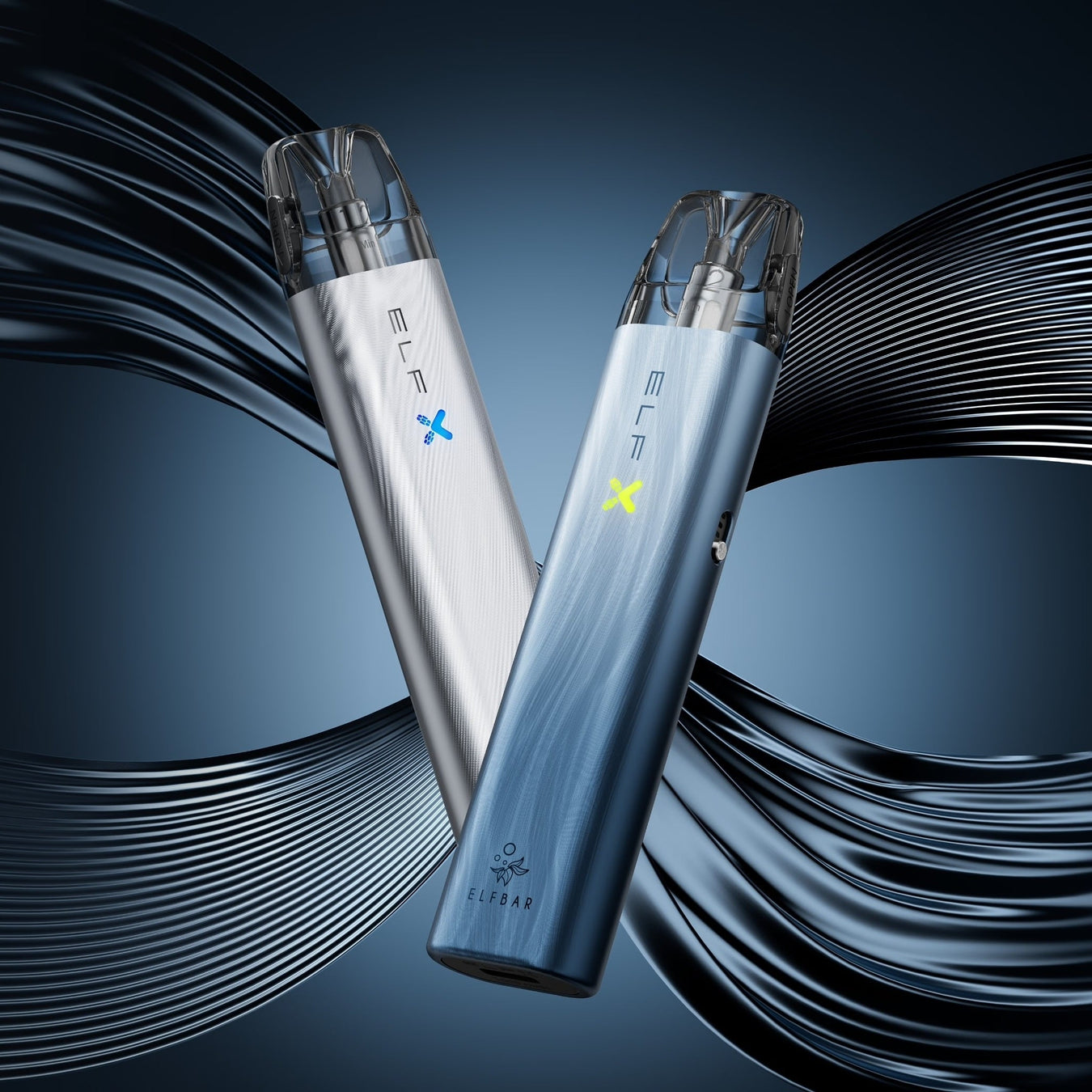
To understand why recycling is so important, we first need to take a look inside. A typical single-use vape, such as the

The centerpiece: The lithium-ion battery
Each disposable vape is powered by a small but powerful lithium-ion battery. Lithium is no ordinary metal; it's a critical raw material that forms the backbone of our modern, mobile world. From smartphone batteries to the massive battery packs of electric cars, lithium is indispensable. Demand is exploding worldwide, while mining is resource-intensive and has a significant environmental impact. The battery in your vape is therefore its most valuable and, at the same time, its most environmentally sensitive component.
Valuable metals: copper and aluminum
Besides the battery, vapes contain other valuable metals. Fine copper wires are essential for all the electronics, including the heating coil. Copper is an excellent conductor and a highly recyclable material. The casing itself is often made of aluminum or an alloy, which is also lightweight and robust. Recycling these metals saves enormous amounts of energy compared to producing them from ores – up to 95% in the case of aluminum.
Other components
The rest of the vape consists mainly of the plastic casing and the wicking material (often cotton or another absorbent material) that transports the e-liquid to the heating coil. Even though these materials have a lower direct resale value, their proper disposal as part of the overall device is crucial to prevent environmental pollution. You can also find a detailed look at the components in our article about... Materials of a disposable vape.
Why recycling is essential: resource conservation and environmental protection
The Vape Recycling It is not merely a recommendation, but an ecological and economic necessity. It not only conserves valuable resources, but is also enshrined in law to protect people and the environment.
Legal framework: What the law stipulates
In Germany, they are allowed Disposable vapes should never be thrown in the household waste.. They fall under the category of "electrical and electronic equipment". This is determined by the Battery Act (BattG) and regulated by the WEEE Directive (Waste Electrical and Electronic Equipment). These laws oblige manufacturers and retailers to participate in collection and recycling. Brands that take their responsibility seriously are involved in the EAR Foundation The company is registered and monitors compliance with these regulations in Germany. This registration is a clear indication of a compliant and trustworthy product.
Furthermore, it is important to E-cigarettes and always keep liquids out of the reach of children and young people. Federal Institute for Risk Assessment (BfR) His assessments emphasize the need to prevent access by minors to avoid health risks. Secure storage is just as much a part of responsible handling as proper disposal.
Practical guide: How to dispose of your vapes correctly and safely
Proper disposal is easier than many people think – if you know how. The most important principle is: safety first. The greatest danger comes from improper handling of the lithium-ion battery.
Myth debunked: Never disassemble your vape yourself!
A dangerous misconception circulating online is the recommendation to disassemble vapes before disposal in order to remove the battery. This is an extremely risky mistake. Even a small puncture or deformation of the lithium cell with a metal tool can cause an internal short circuit. The result is a so-called "thermal runaway reaction"—a fire that is extremely difficult to extinguish.
Expert warning: Recycling professionals and waste disposal companies strongly warn against removing batteries yourself. Battery removal is a process for trained specialists under controlled conditions. Intact devices pose a significantly lower risk during collection.

Here's how to do it right: A step-by-step guide
Follow these simple steps to safely prepare your empty vapes for recycling. For a more comprehensive overview, you can also refer to our Guide to the correct disposal of disposable e-cigarettes read.
Table: Correct vs. incorrect approach to vape recycling
| Correct (Do) | Incorrect (Don't) |
|---|---|
| Dispose of vapes undamaged at collection points (recycling center, retailer). | Dispose of vapes in the household waste, the yellow bin, or the scrap metal bin. |
| At home in a non-conductive container (z.B. (Plastic box) collect. | Store the devices loose in a metal box or together with keys/coins. |
| Leave the batteries in the device – a specialist will take care of removing them. | Try to remove the lithium battery yourself using tools (knife, pliers). (Fire hazard!) |
| For visible, exposed contacts, insulate them with adhesive tape. | The devices break, crush, or burn. |
| Allow used equipment to "cool down" for 24-48 hours before transport. | Rinse the devices with water or store them wet. |
Where to put it? The right collection points
You have several easy ways to dispose of your collected disposable vapes:
- Available in stores: Every retailer that sells vapes is legally obligated to take back old devices. This also applies to online shops.
- Supermarkets & Electronics stores: Larger stores that sell batteries or electrical appliances have collection boxes where you can dispose of your vapes for free.
- Municipal recycling centers: The local recycling center is always a safe place to take your devices. There, they will be professionally sorted into the "electronic waste" category.
Key Takeaways: Your contribution counts
Recycling disposable vapes is a small act with a big impact. It actively contributes to keeping critical raw materials like lithium in circulation, reducing energy consumption, and preventing dangerous fires in sorting facilities.
You will also learn how Disposable vapes satisfy nicotine cravings can.
- Vapes are electronic waste: They contain valuable metals and a battery and should never be disposed of in household waste.
- Safety first: Under no circumstances should you disassemble the devices yourself.
- Easy returns: Take advantage of the straightforward return options at retailers or recycling centers.
By disposing of your vapes correctly, you are not only acting in an environmentally conscious and legal manner, but you are also becoming part of the solution for more sustainable resource use. Join us!
Frequently Asked Questions (FAQ)
Question: Can I throw my vape in the regular household waste? Answer: No, absolutely not. It's illegal and dangerous. Disposable vapes are electronic waste and must be taken to special collection points, as the batteries they contain can cause fires and valuable raw materials would be lost.
Question: Do I have to remove the battery myself? Answer: No, please do not do that under any circumstances. That is the job of trained specialists at recycling facilities. Attempting to remove the battery yourself poses a high risk of injury and fire.
Question: Will every supermarket take back my empty vape containers? Answer: Supermarkets and drugstores with a sales area of over 400 square meters that sell electrical appliances (and therefore also vapes) are obligated to take them back. Smaller retailers that carry vapes must also accept old devices.
Question: What happens to the recycled materials? Answer: After safe dismantling, the materials are separated. Metals such as lithium, copper, and aluminum are melted down and reused to manufacture new products. This saves enormous amounts of energy and conserves natural resources.