Instructions: Clean the refillable pod system properly
Why proper cleaning of your refillable pod system is so important
A refillable pod system depends on two things: a clean air path and an intact mesh coil. As soon as these become dirty, performance suffers.
This guide shows you step by step how to properly clean your refillable pod system – practical, safe and in accordance with the requirements of the EU Tobacco Products Directive (EU TPD) and the German Tobacco Products Act (Tobacco Products ActThe goal is a clear, authentic [message/statement].
Basics: Understanding the structure of a refillable pod system
Before you start cleaning, a quick look at the assembly will help. This way you'll know exactly which parts can be cleaned – and which can't.
Typical components of a pod system
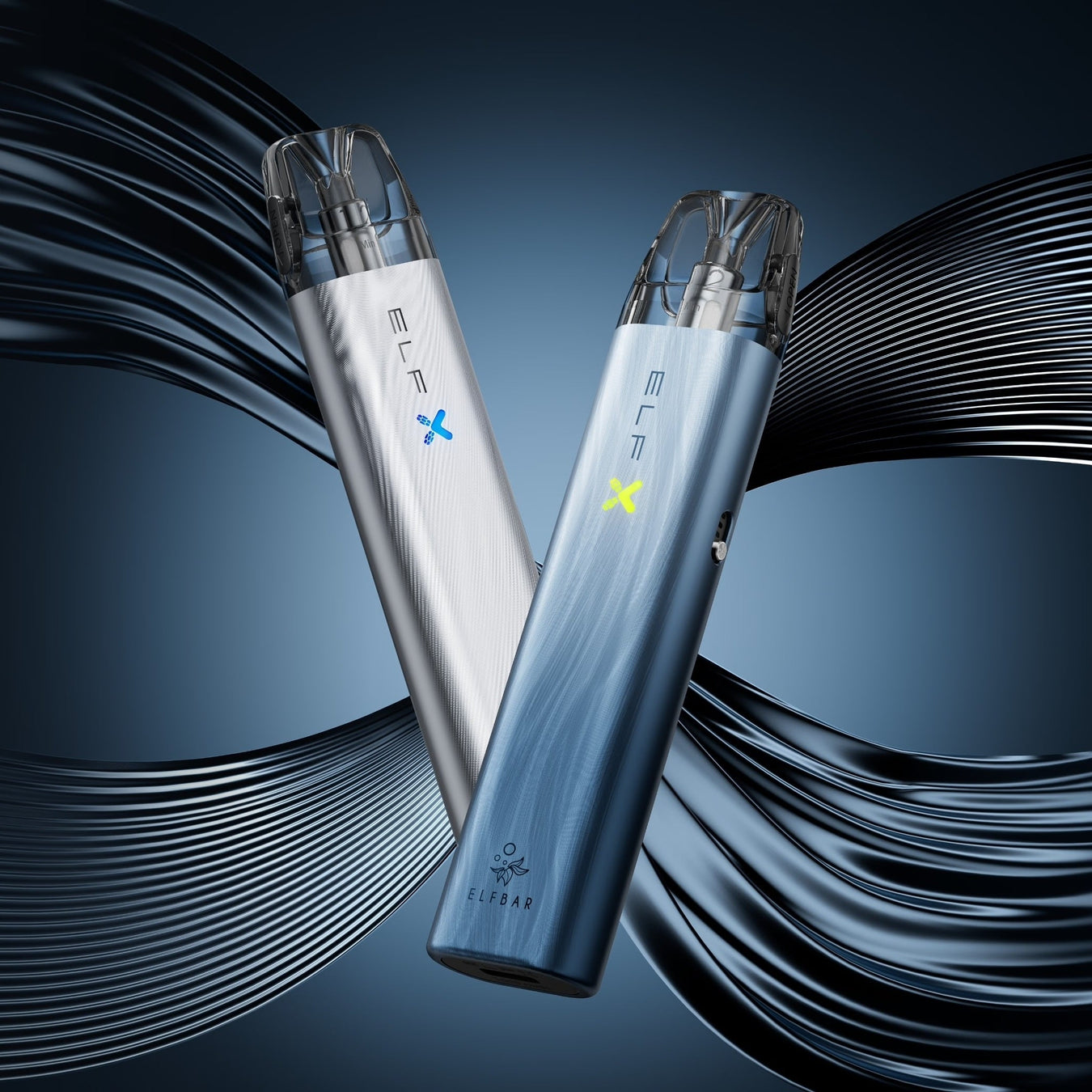
A modern refillable Pod system It usually consists of:
- Base unit (battery carrier) with battery, electronics, USB-C port and air sensor.
- Pod (tank) made of plastic, into which the e-liquid is poured.
- Integrated coil, mostly as a mesh coil (net structure) for particularly even heating.
- mouthpiece, often firmly attached to the pod.
- Contacts and magnets, which connect the pod to the base unit.
Examples of such devices are compact battery carriers with a 500–1,000 mAh battery, USB-C charging port and refillable Pods with mesh coil between 0.6 and 1.1 ohms, such as the
What can get wet – and what can't?
One of the most important questions for cleaning: Which components can tolerate water or cleaning agents?
- Pod body (plastic tank): tolerates clear, lukewarm water – ideal for removing e-liquid residue.
- mouthpiece: It can be cleaned inside and out with water.
- Metal contacts and electronics of the base unit: They must not come into contact with water or cleaning agents.
Experience shows that as soon as water gets into the battery compartment or under the contacts, the risk of short circuits and permanent damage increases significantly. Therefore, the pod should always be cleaned separately; the base unit should only be wiped dry or, at most, slightly damp.
Myth: "Alcohol bath for better cleaning"
A common misconception found in forums is to soak entire pods or even base units in alcohol (e.g., isopropanol) to "thoroughly disinfect" them. In practice, this often causes damage.
- Seals and O-rings
- plastic surfaces
- Adhesives and insulating layers
Especially with mesh coil pods, an alcohol bath doesn't make them "like new," but rather leads to faster wear and leaks. For cleaning pods, a simple solution is usually sufficient. clear water – No harsh chemicals are needed.
Cleaning plan: How often you should clean what
The Experience with refillable pod systems This shows that regular, but not excessive, maintenance is optimal. Disassembling and wet cleaning too frequently can damage materials just as much as cleaning too infrequently.
Rules of thumb for practical application
Sensible intervals emerge from daily use and user feedback:
- Easy cleaning (exterior, contacts): every 1-3 days or when drops are visible.
- Pod flushing with water: every 3-7 refills or at the first sign of dullness
Flavour . - Pod/coil replacement: usually after 10–30 refills – depending on liquid sweetness and wattage range.
Sweet or heavily sweetened liquids They leave more residue on the mesh structure and the cotton. In practice, the useful lifespan of a pod is often halved if mainly very sweet, "syrupy" e-liquids are used.
Table: Overview of maintenance intervals
| component | Recommended interval | Typical duration (practical value) |
|---|---|---|
| Exterior cleaning base unit | 1–3 days | 2–3 minutes |
| Cleaning pod contacts | 3–5 days or with drops | 1–2 minutes |
| Pod interior cleaning | every 3-7 refills | 10–15 minutes + drying time |
| Pod/coil replacement | after 10–30 fillings | 1–2 minutes |
These values are based on experience and are not a hard and fast rule. Those who vape very intensively or use very sweet e-liquids should clean or change the tank sooner; those who only vape occasionally will often get more out of it.
Step-by-step: How to properly clean a refillable pod
This section deals with the practical implementation – from preparation to drying.
1. Preparation: Workspace and materials
For a thorough yet gentle cleaning, you will need:
- Kitchen paper or lint-free cloths
- cotton swabs
- If necessary, use compressed air spray (suitable for electronics)
- lukewarm water (not hot)
- a small bowl or glass for the pod
Important: Always keep the base unit away from water. Even splash-proof devices are not designed for immersion in a sink.
2. Empty the pod safely
- Detach the pod from the base unit. Make sure that no drops get onto the contacts of the battery carrier.
- Pour out the remaining liquid. Open the filling port and pour any remaining e-liquid into a paper towel or container.
- Do not pour down the drain. E-liquid does not belong in the sink or toilet. Collect any leftovers in the household waste, ideally in absorbent material (e.g., paper).
This approach supports responsible disposal and complies with environmental regulations, such as those stipulated by the Battery Act (Battery) and WEEE systems such as EAR Foundation for electrical appliances.
3. Rinse the pod under lukewarm water.
Now clean the inside of the pod:
- Open filling opening and hold the pod under lukewarm, running water.
- Rinse several times, by letting water run into the filling opening and then pouring it out again.
- Rinse the inside of the mouthpiece., so that condensate and any residues are removed.
Make sure not to use extremely hot water, as high temperatures can deform plastics and harden seals. In practice, lukewarm water (approx. 30–40 °C) is ideal.
4.Remove excess water
Immediately after rinsing, you should remove excess water to shorten the drying time:
- Gently shake out the pod.
- Pat the outside dry with kitchen paper.
- Use if needed compressed air (keep a sufficient distance) to blow water out of small openings.
A common mistake is shaking or tapping too vigorously, which can loosen the filling opening and seals. It's better to work carefully and repeat the process once more.
5. Drying: Patience is crucial
The most important step for a good result is complete drying:
- Minimum drying time: Leave the pod open (filling port open) for at least 4–12 hours Let it air dry.
- For deep cleaning: Up to 24 hours Drying time ensures that no moisture remains inside.
In practice, it turns out that refilling too early often leads to bubbling, gurgling or even slight short circuits in the pod because moisture is present on the coil or at the contacts.
Reactivating the pod: How to avoid dry hits and leaks
After drying, the pod is ready for new e-liquid. Now it's crucial to start it correctly so that the cotton (wick) in the mesh coil is evenly saturated.
1. Fill correctly
The following procedure has proven effective when filling:
- Open the filling opening.
- Pod Fill only to approximately 70–80%, not all the way to the edge.
- Close the filling opening and briefly check that the seal is properly seated.
The EU Tobacco Products Directive and the EU TPD limit the pod volume to 2 ml per tank. Many refillable pods – such as the
2. Wait until the cotton is saturated.
To prevent the mesh coil from running dry, the cotton must become saturated:
- Leave the freshly filled pod at least 5–10 minutes rest.
- During this time, the Liquid evenly distributed in the cotton wool.
Anyone who immediately after filling up with several strong
3. First train and performance range
If your device has variable wattage, it's worth adjusting the wattage to the coil.
- 9–12 watts for 1.1 Ω refillable or prefilled pods
- 15–18 watts for 0.8 Ω Turbo Refillable Pods
Experience shows that consistently vaping at wattages significantly reduces the lifespan of the cotton. Internal tests have shown that high wattages can reduce coil life by up to... 30–40% shorten, especially with sweet liquids.Further details on how it works can be found in the article. How does a mesh coil work in your pod system?.
Clean the base unit: Maintain the battery, contacts, and air passage.
In addition to the pod, the base unit also requires regular maintenance. This ensures that the sensors, contacts, and airflow are functioning correctly.
1. Clean the contacts
Liquid at the contacts between the pod and the base unit is one of the most common sources of error – from misfires to total failures.
Here's how to proceed:
- Remove the pod.
- Metal contacts in the device and on the pod with a dry Wipe with a cotton swab.
- If there are visible traces of liquid, dab lightly with kitchen paper.
It is important not to use aggressive cleaning agents here, so that coatings and sensors remain intact. Dry, mechanical cleaning is sufficient in most cases.
2. Air path and automatic train control
Devices with automatic draw activation have an air sensor that reacts to the negative pressure created when a puff is drawn. If this area is blocked by dust, lint, or encrusted liquid residue, the electronics will react with a delay or not at all.
- Check the air vents regularly.
- Carefully remove dust or lint with a dry brush or compressed air.
Practical experience shows that even a slight blockage can cause the sensor to only activate after 1-2 seconds of initial pulling. Cleaning usually restores the original pulling sensation immediately.
3. Case and USB-C port
The best way to clean the casing is with a slightly damp cloth, then dry it immediately. The USB-C port should never Avoid contact with liquid. If there is dust or lint in the port, use a dry toothpick or compressed air.
Background: In Germany, batteries and electronics are subject to strict safety and disposal requirements. Battery Act (BattG) Obliges retailers and manufacturers to take back used batteries; properly maintained devices reach their service life and do not need to be disposed of prematurely.
Typical cleaning mistakes – and how to avoid them
Many user problems could be avoided if some typical cleaning mistakes were known. This section summarizes the most common pitfalls.
Mistake 1: Immersing the entire pod in alcohol or hot water
As described at the beginning, an alcohol bath often leads to damaged seals, brittle plastic, and in extreme cases, leaks. The same applies to very hot water.
Better: Rinse the pod with lukewarm water only and then allow it to dry thoroughly. Stubborn odors (e.g., from menthol or very strong flavors) will usually disappear after 1-2 rinsing and drying cycles.
Error 2: Overfilling the pod
Many users assume that "filled to the brim" means more comfort. In practice, overcrowding often leads to:
- Overpressure in the pod
- Leakage through the air vents
- Bubbling during the train
Especially in the EU, where according to EU TPD Since a maximum volume of 2 ml applies, manufacturers mark the recommended fill level. Stick to this line – or fill slightly below it if in doubt.
Mistake 3: Not letting the pod dry long enough
A "quick rinse" with a drying time of only 30–60 minutes often results in residual moisture remaining inside.This manifests itself through gurgling, weak steam, or sporadic dropouts.
Practical tip: Plan your cleaning so that the pod can dry overnight. Many experienced users have two or more pods in use to make this possible.
Mistake 4: Aggressive blowing into the pod
To remove condensation, the pod is often blown out forcefully. However, too much pressure can force liquid into areas that should remain dry, such as the contact area.
Better: Shake the pod gently, absorb excess liquid with paper, and blow very carefully or use compressed air from a distance.
Decision aid: Clean or replace pod?
Not everyone
Signs that cleaning is still helping
Cleaning is particularly worthwhile if the following symptoms occur:
Flavour It is slightly steamed, but not burnt.- It bubbles slightly, but there is no strong "fault".
Flavour " before. - You can see condensation in the mouthpiece or at the air vents.
In these cases, rinsing with water and thorough drying often brings about a significant improvement. Additionally, cleaning the contacts on the base unit can help.
Signs that the pod should be changed
A pod/coil change is advisable if:
- the
Flavour permanently burned or is scratchy. - the pod leaks heavily despite correct cleaning.
- the mesh coil has already undergone many refills (20-30+).
Experience from long-term tests shows that even with careful use, the upper limit for many refillable pods is around 25–30 refills before the
Comparison: Cleaning effort vs. pod replacement
| situation | Is cleaning worthwhile? | Is switching pods worthwhile? | Recommendation |
|---|---|---|---|
| Slightly duller | Yes | Not yet | Rinse the pod, dry it, and check the performance. |
| Severely burned | No | Yes | Replace pod immediately |
| Repeated leakage despite cleaning | Probably not. | Yes | Pod or seal worn out |
| > 25 refills with sweet liquid | Limited | Yes | New pod brings improvements |
More tips on how to...
Using and maintaining compatible refillable pods effectively
Anyone who Pod system Those who use compatible refillable pods can get a lot out of them with proper care. One example is...
Practical scenario: Light vs.sweet liquid
Internal comparative tests with pod systems typically show:
- With lightly sweetened liquids Pods often reach 15–20 refills, before the
Flavour noticeably decreases. - With heavily sweetened liquids This range often drops to 8–12 fillings.
This aligns with reports from community forums such as the E-smoking forum and Steamers' meeting, where experienced users report similar values. For you, this means: Choosing the right e-liquid can extend the lifespan of your pods by up to... 50% extend.
Device-side support: Power range and display
Basic devices with clearly defined performance ranges and display – like the
Such devices are generally tested according to relevant standards. Among other things, the ISO standard defines ISO 20768 Standardized test conditions for aerosol generation in e-cigarettes. This allows manufacturers to test the device design and consistency of vapor production, providing you, the user, with a more consistent experience.
Frequently Asked Questions about Cleaning Refillable Pod Systems (FAQ)
How often should I clean my refillable pod system?
A rough guideline: Clean the exterior and contacts every 1–3 days, and rinse the pod with water every 3–7 refills. For sweet e-liquids or intensive use, aim for the lower end of this range.
Can I clean my pod with alcohol or dish soap?
This is not recommended. Alcohol and dish soap can damage seals and plastics and leave residues that you would later inhale. Clear, lukewarm water is perfectly sufficient for pods.
How long does the pod need to dry after cleaning?
Plan for at least 4–12 hours, preferably overnight. For a deep cleaning with plenty of water inside, up to 24 hours is recommended.
How do I know when my pod needs to be changed?
Typical signs include permanently burned or scratched skin.
Do I also need to clean the inside of the base unit?
The inside of the base unit should only be cleaned with dry materials (contacts, air passages). Water or liquid cleaners should never be used in the battery compartment or on the electronics. A dry cotton swab and, if necessary, compressed air are sufficient.
Does cleaning affect compliance with regulations such as the EU TPD or the Tobacco Products Act?
Cleaning itself does not change any legal requirements regarding fill volume (max. 2 ml per pod) or nicotine content. However, it helps to ensure your device operates reliably within its intended limits. The requirements of EU TPD and the Tobacco Products Act These mainly concern the design, ingredients, and labeling of the products.
Key findings at a glance
- Regular, gentle cleaning extends the lifespan of the pods and base unit and maintains the
Flavour . - Only the pod comes into contact with water. Electronics and contacts are cleaned dry.
- Alcohol, dish soap and hot water are unsuitable and can damage seals and plastics.
- Sufficient drying time (4–24 hours) is crucial to prevent bubbling, leaks, and short circuits.
- Correct filling (max. approx. 80% and max. 2 ml), Adhering to the recommended power range and choosing the right liquid will extend the lifespan of your mesh coils.
- Cleaning has its limits: Burnt
Flavour Or, if the pods are heavily worn, they cannot be salvaged – in this case, replacement is the better solution.
A notice: This article provides general information on the care and cleaning of e-cigarette pod systems only. It does not replace individual consultation. For health-related questions or pre-existing medical conditions, please consult a medical professional.