Nicotine Salt Myths: What's Real?

Is nicotine salt more dangerous or more addictive? We debunk the most common myths and misinformation and provide you with the facts about nicotine salt e-liquids.
Nicotine salts are ubiquitous in the vaping world, yet numerous myths and half-truths surround them. Many users are unsure what this form of nicotine is all about and how it differs from traditional freebase nicotine. This confusion can lead to misconceptions about safety, addictive potential, and proper use. In this article, we shed light on the subject, debunk the most common myths, and explain, based on scientific facts and practical experience, what you really need to know about nicotine salts.
Myth 1: Nicotine salt is an artificial and more dangerous form of nicotine.
One of the most persistent misconceptions is that nicotine salt is a synthetic, potentially more dangerous variant of nicotine. This is factually incorrect.
The facts: Nicotine salt is the natural form in which nicotine occurs in the tobacco plant. It is nicotine bound to organic acids. The traditional "free" nicotine (freebase nicotine), which has been used in most e-liquids for years, is now called nicotine salt. E-liquids The nicotine used is obtained through a chemical process in which the nicotine is separated from these acids to increase its purity and strength.
Nicotine salt is used for use in e-liquids. an acid such as benzoic acid was added. This step has a crucial advantage: it lowers the pH value of the liquid. The result is a vapor that noticeably gentler in the throat and feels less harsh, even at high nicotine concentrations. This is a fundamental difference compared to freebase nicotine, which is often perceived as unpleasantly harsh at concentrations above 18 mg/ml.
The health assessments of e-cigarettes, such as those from the Federal Institute for Risk Assessment (BfR) The procedures do not differentiate between nicotine forms. While general risks of inhalation and the need for youth protection are acknowledged, the potential for risk reduction for smokers is also recognized. The decisive factor is not the salt form, but the purity of the ingredients and correct application.
Myth 2: Nicotine salt is more addictive and causes faster addiction.
This myth stems from a grain of truth, which is, however, misinterpreted. The concern is that the faster effect of nicotine salts inevitably leads to a stronger addiction.
The facts: The addictive substance is and remains nicotine, regardless of its chemical form. It is true that nicotine salts are designed so that the nicotine is absorbed by the body more quickly and reaches the brain faster. This absorption rate is very similar to that of a conventional cigarette. This is precisely what makes them so effective for many people switching from cigarettes: cravings are satisfied quickly and efficiently, which makes the transition from tobacco cigarettes easier.
Proper storage is also important so that the Nicotine salt has a long shelf life.
A renowned systematic review by Cochrane Library Studies have shown that e-cigarettes with nicotine are an effective method for quitting smoking. The rapid gratification provided by nicotine salts can play a key role in this process.
An important aspect that is often overlooked: We know from experience that the smoother vapor of nicotine salts often leads to users needing shorter and less frequent puffs.
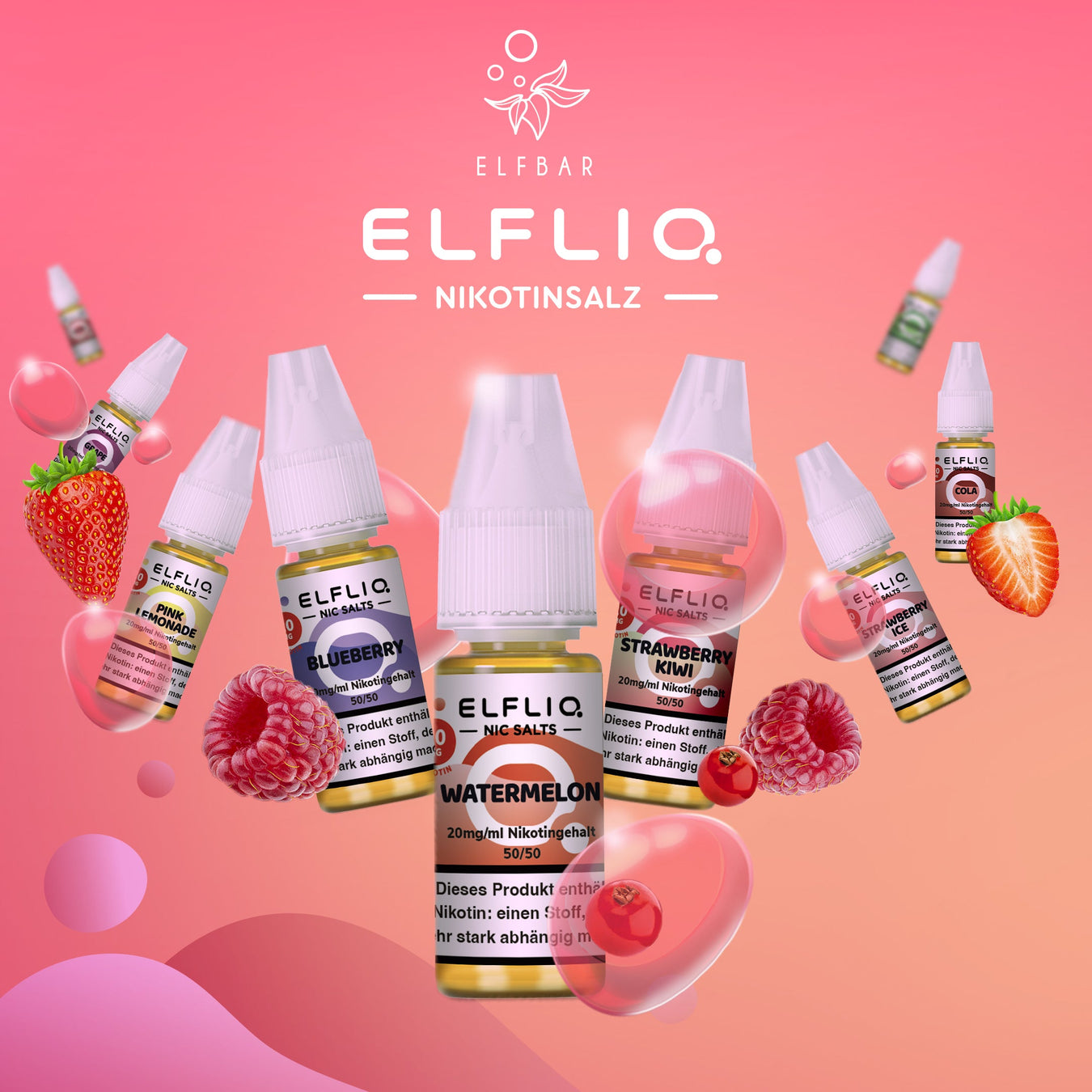
Furthermore, there is a clear legal upper limit in the EU: According to the EU Tobacco Products Directive (TPD), which is implemented in Germany Tobacco Products Act (TabakerzG) Once implemented, the nicotine concentration in e-liquids must not exceed 20 mg/ml. This regulation serves as an important safety measure and applies to nicotine salts as well as freebase nicotine.
Myth 3: Nicotine salt is only for heavy smokers and those switching from other methods.
Although nicotine salts are an excellent tool for heavy smokers who want to switch, their benefits are not limited to this group.
The facts: The choice between nicotine salts and freebase nicotine is primarily a matter of personal preference and the device used. Nicotine salts are suitable for any vaper who:
- I prefer a gentle steam without a strong scratching sensation in the throat.
- seeks quick and effective nicotine gratification.
- desires a discreet vaping experience with less vapor production.
Device compatibility is crucial: A common user error is the use of high-concentration nicotine salt e-liquids in high-performance sub-ohm devices. These devices are designed to produce huge vapor clouds at high wattages, and a 20mg salt e-liquid would deliver an uncomfortably high dose of nicotine all at once, which can lead to dizziness and nausea.
The rule of thumb is:
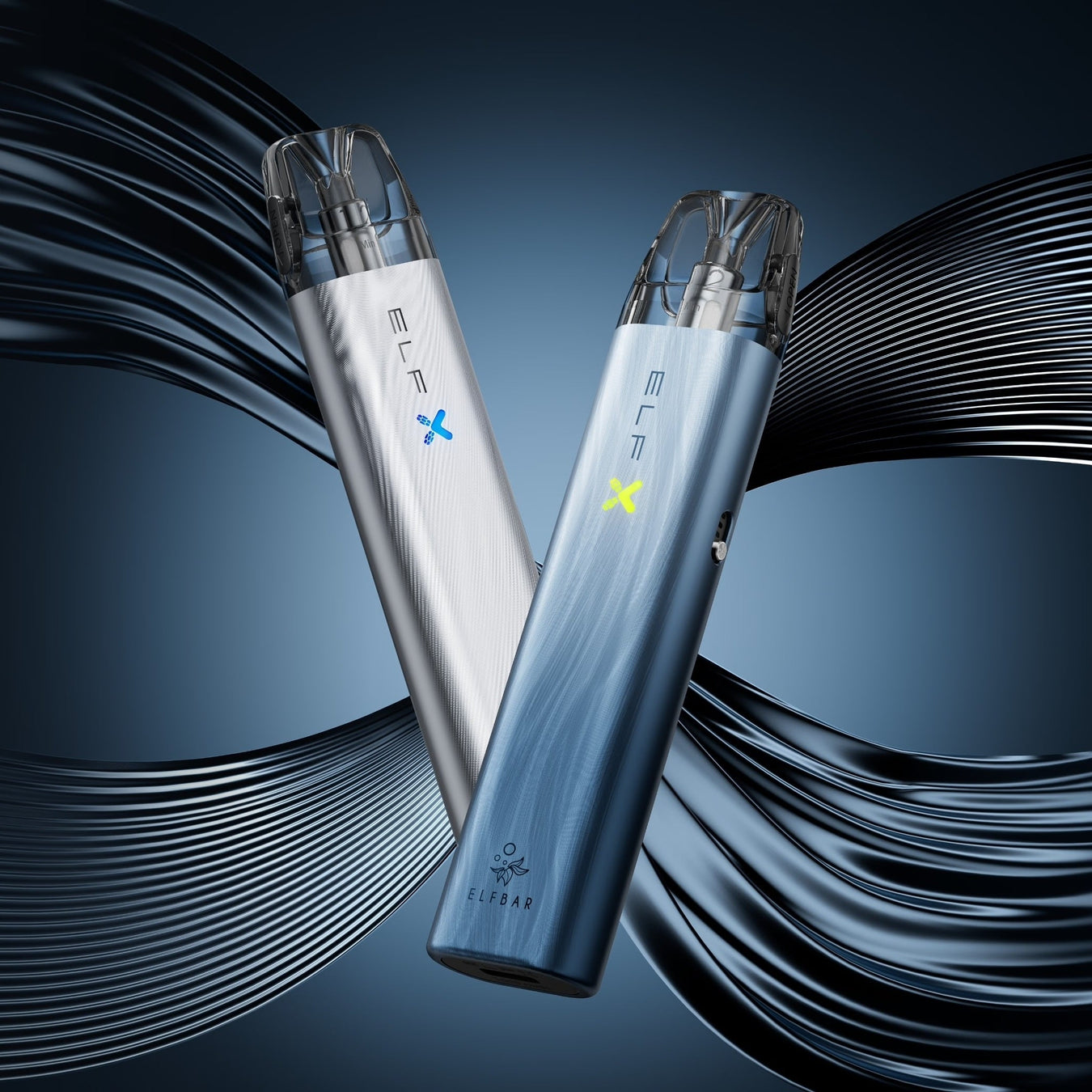
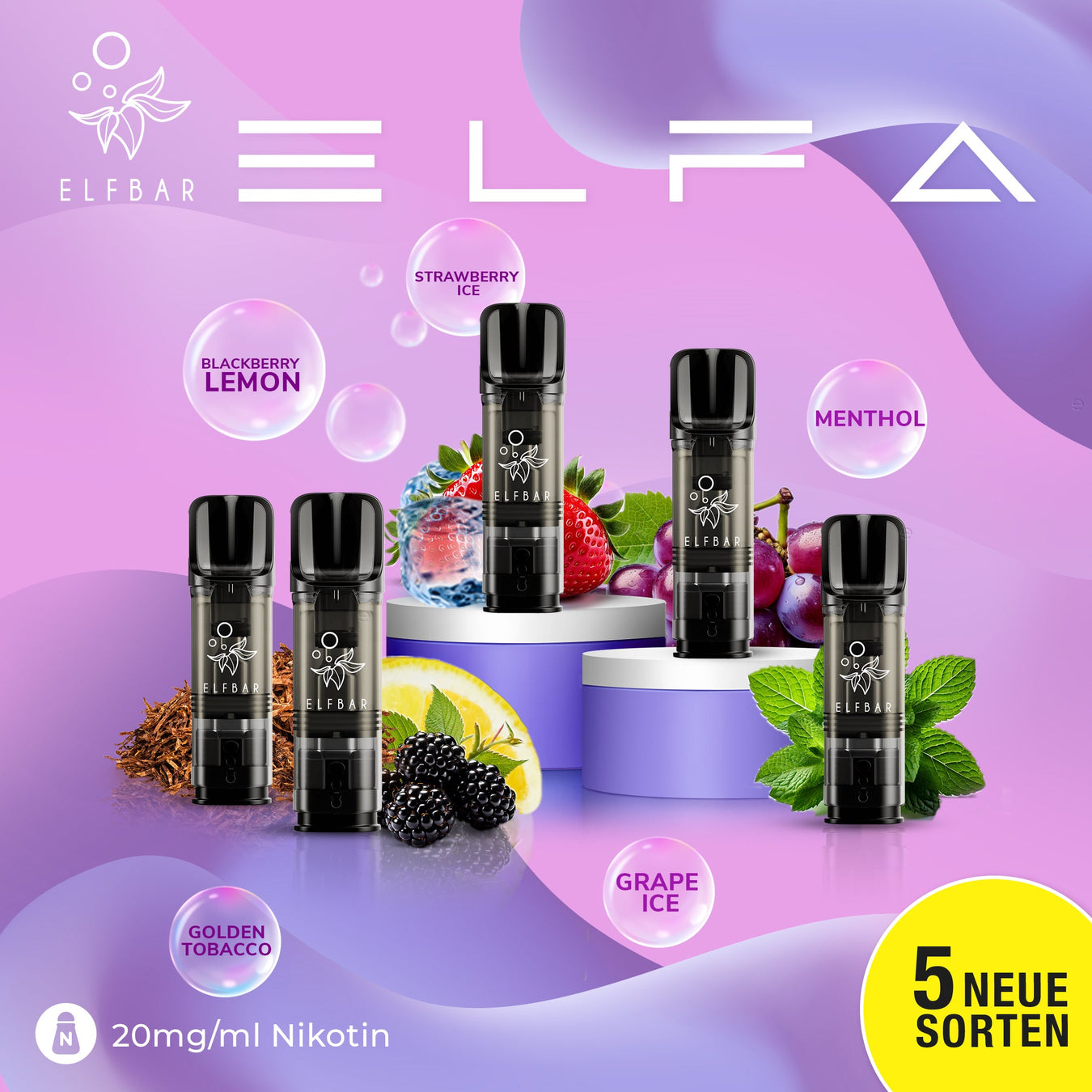
- Nicotine salts (typically 10-20 mg/ml): Ideal for low-power devices (under 25 watts), such as Pod systems and disposable vapes. This combination provides a pleasant draw similar to a cigarette.
- Freebase nicotine (typically 3-12 mg/ml): Well suited for more powerful devices where large amounts of steam and a more intense "throat hit" are desired.
Products like the
For more detailed guidance, you can refer to our guide to Choosing the right nicotine salt strength read.
Myth 4: Nicotine salt always tastes sweeter
Some users report that nicotine salt liquids have a sweeter taste.
The facts: The
However, the basic chemical composition of nicotine salt does not have its own sweetness.
Myth 5: All nicotine salt products are safe and tested.
In an unregulated market, this would be a dangerous misconception.However, in Germany and the EU there are clear rules that separate reputable from illegal providers.
The facts: Every e-liquid legally sold in Germany, whether with or without nicotine salts, must meet strict requirements. This includes registration and ingredient analysis in accordance with the TPD (Tobacco Products Directive). A crucial characteristic for nicotine-containing products legally sold in Germany is... German tax stamp (also called "control characters"). As from German customs By law, every package of nicotine-containing liquids must bear a tax stamp. Products without this seal are illegal and potentially unsafe, as their origin and ingredients cannot be verified.

Another important practical aspect is proper storage. Nicotine salt e-liquids can be more sensitive to heat and light. If stored incorrectly, they can oxidize, resulting in a peppery, unpleasant taste.
Make informed decisions
The myths surrounding nicotine salts are often based on misunderstandings. The fact is: nicotine salts are neither inherently more dangerous nor more addictive than free nicotine. It's a different form of administration with specific properties that make it an excellent choice for many vapers, especially those switching from tobacco cigarettes.
The key to a safe and satisfying experience lies in informed choice: Buy only tested products with a German tax stamp from trusted retailers and combine your nicotine salt e-liquid with a suitable, low-powered device. This way, you can optimally and safely enjoy the benefits – a smooth vapor and a fast effect.
Disclaimer: This article is for informational purposes only. It does not constitute medical advice and is not a substitute for professional advice from a doctor or other qualified healthcare professional. If you have any health concerns, please consult a doctor. Nicotine use is associated with health risks and can be addictive.
References:
- Federal Institute for Risk Assessment (BfR) - E-cigarettes
- Cochrane Library - Electronic cigarettes for smoking cessation
- Federal Ministry of Justice - Tobacco Products Act (TabakerzG)
- Zoll.de - Taxable item: Tobacco products