Does nicotine salt affect the Flavour of the liquid?
Many vapers notice very quickly whether a liquid tastes "clear" and aromatic – or whether something is off.
This article deals precisely with this: the chemical differences between nicotine salt and classic (freebase) nicotine, and their influence on
1. What is nicotine salt – and why does it often taste “softer”?
Nicotine is usually present in e-liquids in two forms:
- Freebase nicotine: the “classic” form with a higher pH value
- Nicotine salt: Form buffered with organic acids with a lower pH value
By adding z.B. Benzoic acid or similar acids lower the pH value. This reduces the typical scratchy feeling in the throat, so that one can higher nicotine strengths (z.B. 20 mg/ml) perceived as significantly milder.
According to the European Tobacco Products Directive EU TPD In the EU, e-liquids containing nicotine may contain a maximum of 20 mg/ml of nicotine. This limit applies to both freebase and nicotine salt e-liquids. In practice, a kind of standard has become established in Germany and the EU: 20 mg/ml nicotine salt in 2 ml containers, as it is also in German Tobacco Products Act is limited by the fill quantity.
Why “softer” is often called “more” Flavour “is perceived
The first "aha" moment for many switchers: A nicotine salt liquid with 20 mg/ml works barely scratchy, Even though it's stronger than a 12mg freebase liquid, something interesting happens in your brain:
- Less scratching = you can longer and more calmly
- Longer
puffs = more aroma in the oral cavity - Result: Many perceive nicotine salt as "more aromatic," even though the flavor content is identical.
No additional aroma is created through purely chemical means. The subjective aspect...
2. How exactly does nicotine salt affect the Flavour ?
Nicotine itself has a mild taste bitter and peppery. The higher the pH value (as with freebase), the more these notes are perceived – especially at higher concentrations.
Nicotine salt alters this perception on three levels:
- pH value and harshness – less sharpness, less bitterness
- Interaction with aromas – some aromas are emphasized, others are slightly softened
- Vapor behavior in the coil – Influence on temperature, density and therefore aroma release
2.1 pH value: Less itching, less bitterness
Buffering with acids leads to increased protonation of nicotine. This lowers the pH value and consequently:
- The typical scratchy feeling in the throat decreases,
- The “nicotine pepper” in
Flavour reduced, - The steam appears "rounder" and "smoother".
In practice, many experienced MTL vapers report that they find nicotine salt to be the pure liquid-
2.2 flavors that harmonize particularly well with nicotine salt
Tests with different flavor profiles (fruits, drinks, desserts, tobacco) reveal clear trends:
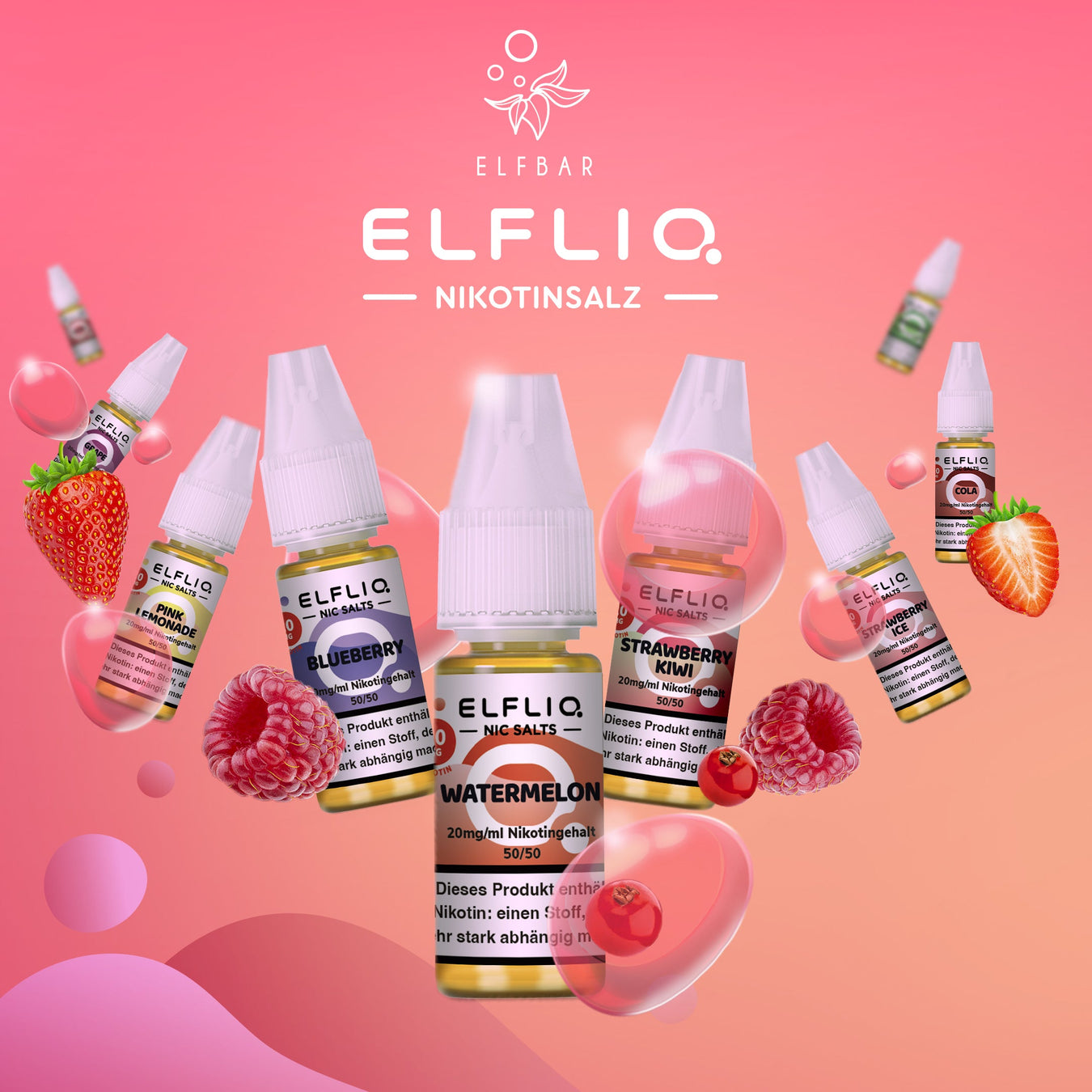
- Fruity liquids (berry, citrus, grape) Nicotine salts usually work clearer and "juicier", because there's no harsh nicotine note interfering.
- Beverage profiles (lemonade, cola, iced tea) benefit from the "soft" throat feeling – the sweetness and acidity seem more natural.
- Coolness and
Ice -flavors often feel better with nicotine salt more intense because menthol/koolada partially replaces the missing throat hit. - Creamy/dessert flavors They become very smooth; those who deliberately seek a bit of "punch" in the throat sometimes find them too mild with nicotine salt.
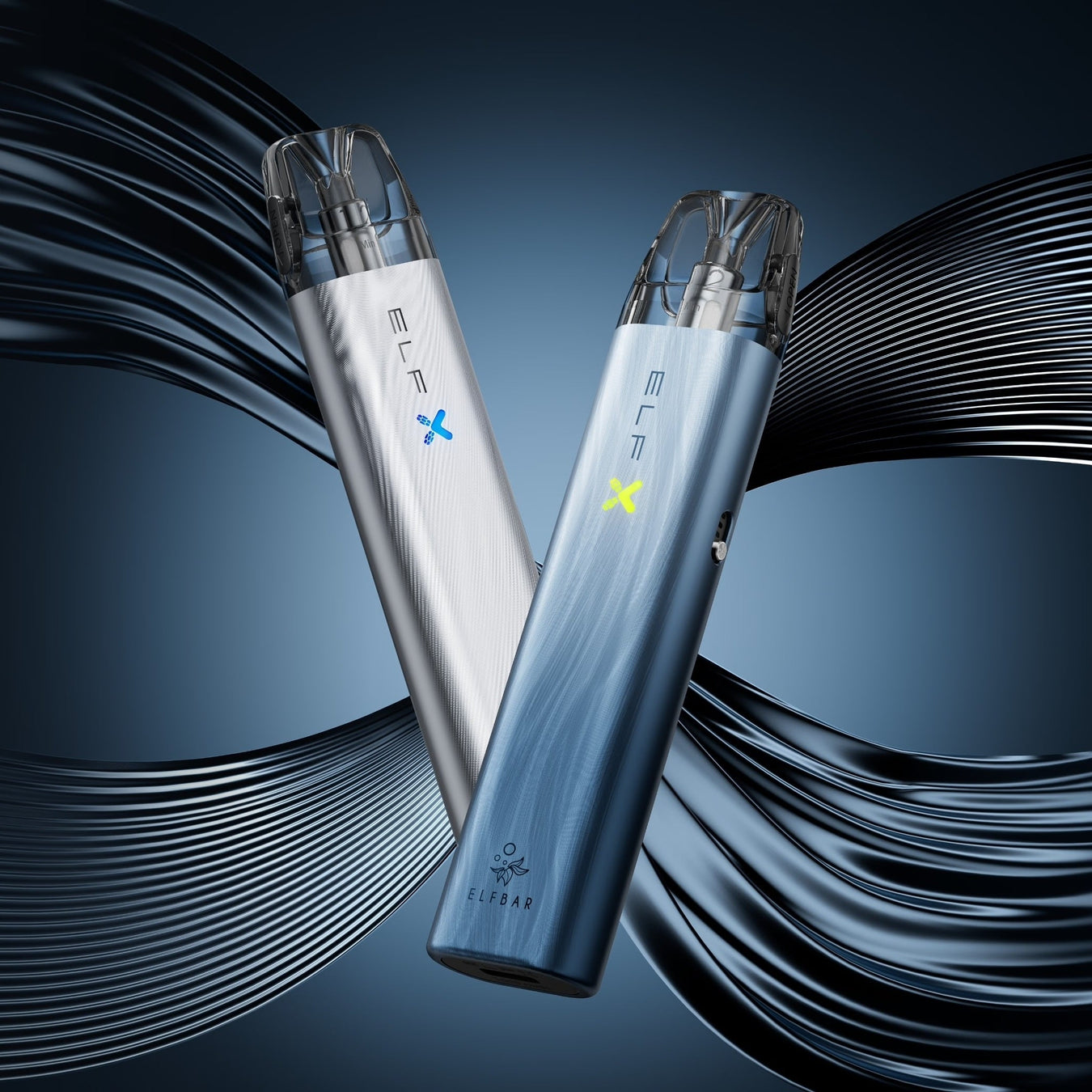
A practical example is a disposable e-cigarette like the
2.3 When nicotine salt tends to “flatten” subtle flavors
However, there are also cases where nicotine salt is not suitable for the
- at very delicate, floral or tea aromas,
- in very VG-heavy liquids (z.B. 70/30 VG/PG) for MTL,
- at excessively high coil temperatures.
Background: The experiences from retail tests mentioned in the briefing show that nicotine salts in combination with very high VG content and high coil temperatures This can cause delicate top notes like jasmine, green tea nuances, or light citrus zest to be less pronounced. The vapor becomes denser, but the volatile aromas partially dissipate before they can be fully perceived.
You can find more information in our article on
3. Setup is crucial: Nicotine salt only tastes as good as the hardware.
Whether nicotine salts
- Coil resistance
- Wattage range and temperature
- VG/PG ratio
After intensive practical testing, the following rules of thumb have proven effective for nicotine salt liquids:
- Coil resistance: approx. 0.6–1.8 Ω for MTL
puffs - Wattage range: most 8–18 W, especially with mesh coils
- VG/PG: approximately 50/50 to 60/40 (VG/PG) for good flavor release
This combination ensures that nicotine salt liquids not too hot can be vaporized, the viscosity is still well suited to MTL coils, and flavors are completely vaporized without burning.
3.1 Mesh coils: Why they work so well with nicotine salts
Mesh coils distribute heat over a larger area. This has two advantages:
- Liquid will even evaporates
- Hotspots and local overheating occur significantly less often.
This makes the
More in-depth technical background information on how mesh windings work can be found in the blog article on the topic. Advantages of mesh coils for intense e-liquid
3.2 Nicotine salt in sub-ohm cloud setups: a poor match
A common mistake is, 20 mg nicotine salt in very low resistances (sub-ohm) and high wattages to use z.B. 0.15-0.2Ω at 60-80 watts.
Typical consequences:
- the steam is extremely hot,
- The soft feeling in the throat suddenly changes to the opposite (stabbing heat),
- Unpleasant “chemical” or “sharp” notes may occur.
Experience shows that with such high-performance cloud setups... less nicotine Makes sense. Nicotine salt makes sense here.
3.3 MTL pods and pre-filled systems: Sweet spot for nicotine salt
With MTL-Pod systems It looks different here. Nicotine salt is almost the only option. Gold standard, because:
- the coils usually have an impedance in the range of 0.6–1.2 Ω,
- Power is moderate (8–18 W),
puffs They are short to medium-length and resemble classic cigarettes.
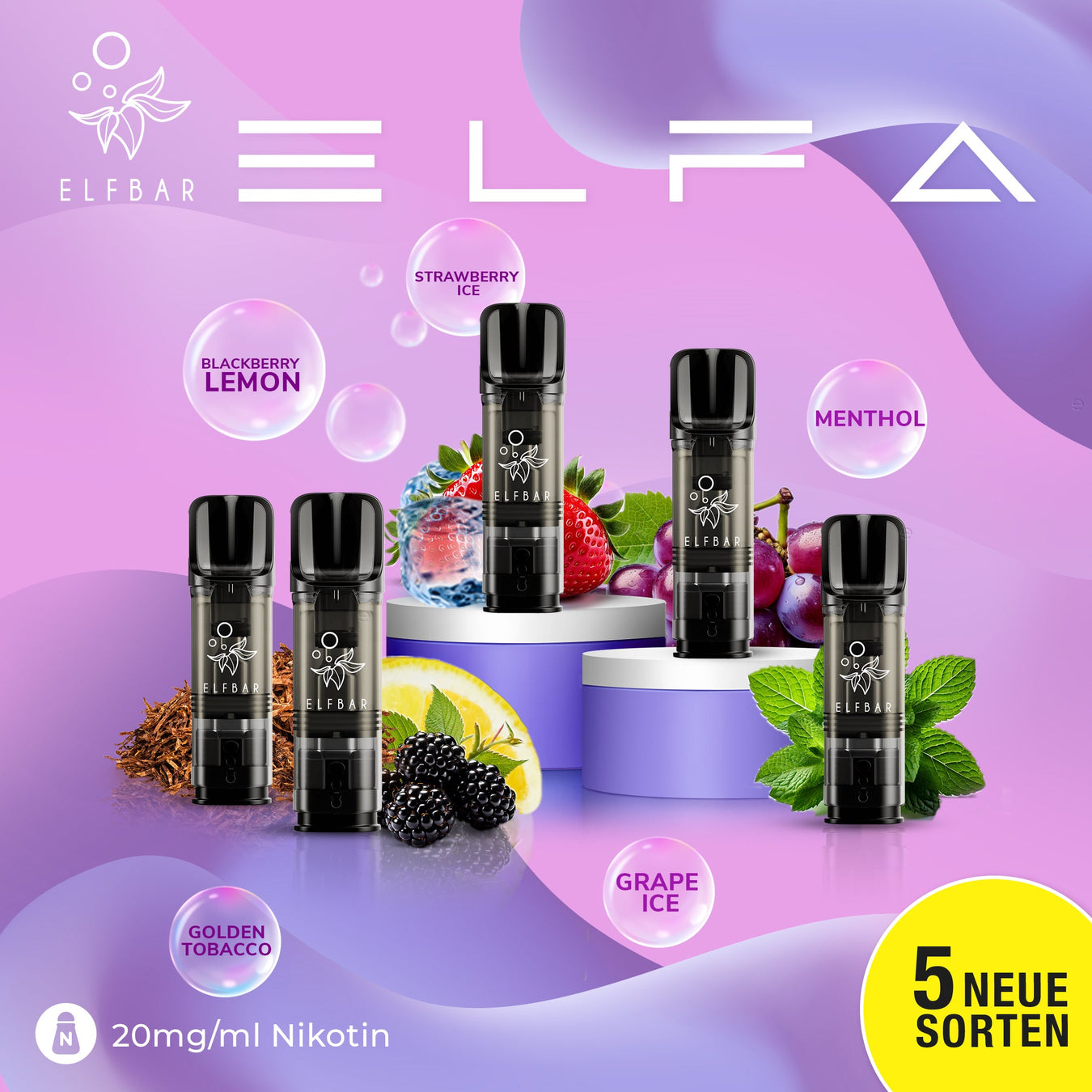
Systems with pre-filled nicotine salt pods or disposable e-cigarettes specifically designed for this purpose. A device like the
However, those who want to mix their own e-liquids or switch between different nicotine salt liquids will find that refillable pods well advised. One example is the
Suitable for maximum intensity exotic liquids with mesh coil especially good.
4. VG/PG ratio, nicotine salt and Flavour – How does that relate?
The VG/PG ratio (Vegetable glycerin/propylene glycol) influences how intensely flavors are perceived – and how well nicotine salt comes into its own.
- PG (propylene glycol): Thin viscosity, carries aromas very well, results in a rather strong throat hit.
- VG (Glycerin): Thick, forms dense clouds, tastes slightly sweet, but carries aromas less strongly.
Practical experience leads to a clear recommendation for nicotine salt:
- 50/50 to 60/40 VG/PG offers a very good balance of
Flavour , vapor volume and draw behavior in MTL devices. - Very high VG content (70+ VG) They do make the steam particularly dense, but "Packing" aromas and the
Flavour Reduce perception – especially at moderate temperatures.
4.1. Typical mistakes when using nicotine salt liquids
Three errors occur particularly frequently in practice and have a direct impact on the
-
Liquid too viscous in the MTL coil
Nicotine salt liquid with high VG content (z.B. 70/30 VG/PG) in an MTL coil with a small liquid opening leads to Inflow problems. The cotton wool is not re-saturated quickly enough, theFlavour It sounds flat, sometimes even followed by a dry hit. -
Incorrect performance range
If a nicotine salt liquid for MTL is fired too high (z.B. With a 0.8 Ω coil (25–30 watts), flavor components burn off faster. Delicate top notes are lost, leaving only sweet and heavy notes. -
Old or overloaded coils
Older coils with clogged mesh or dirty cotton can no longer properly transport the volatile flavors. Nicotine salts subjectively amplify this effect because the vapor is so smooth that the difference between a "fresh" and a "tired" coil becomes extremely noticeable.
4.2 Decision framework: Which setup for which nicotine salt e-liquid?
The following table helps in assessing how nicotine salt, in combination with hardware and VG/PG ratio, affects the
| Type of use | Nicotine strength (mg/ml) | Coil resistance | Power (W) | VG/PG ratio | Expected |
|---|---|---|---|---|---|
| Everyday MTL (Pod/Disposable) | 20 | 0.6–1.2 Ω | 8–15 | 50/50 to 60/40 | Clearer |
| Intense MTL for ex-smokers | 20 | 1.0–1.8 Ω | 10–18 | 50/50 | Very high nicotine content, hardly any harshness, slightly less vapor. |
| Light DL (Restrictive) | 10–12 | 0.4–0.7 Ω | 20–30 | 60/40 to 70/30 | Softer clouds, |
| Cloud-Chasing Sub-Ohm | 3–6 (Freebase better) | 0.15–0.3 Ω | 50–80 | 70/30 | Nicotine salt |
These values are based on experience, not legal requirements. They serve as a starting point for finding your personal sweet spot setup.
5. Practical tips: How to get Flavour Ideally, get the maximum from nicotine salt liquids.
So that nicotine salt
5.1 Three-minute check before each new nicotine salt e-liquid
1. Check the coil
- Is the coil visibly dark or charred?
- Does the steam already taste slightly "damp" or "sticky"?
If so: Change the coil before testing a new nicotine salt e-liquid. Otherwise, you'll be judging the e-liquid based on a worn-out coil.
2. Check VG/PG
- Do the viscosity and coil type match (50/50 or 60/40 for most MTL pods)?
- If the liquid flows very slowly and air bubbles form that don't rise, then the liquid may be too thick.
3. Adjust performance
- For 0.8-Ω mesh coils, it makes sense to start at approximately 10–12 watts.
- Increase the power gradually in 1-watt increments until...
Flavour and the amount of steam should work harmoniously.
5.2 Nicotine salt vs. freebase: Flavour differences in everyday life
A widespread myth states: "Nicotine salt alters the
In reality, experience shows:
- The Aroma recipe remains identical – base, flavor concentration and sweetener are the same.
- Subjectively, the same liquid often has a different effect when mixed with nicotine salts. fruitier and clearer, because less scratching is distracting.
- In strong DL setups, Freebase can, however, present This effect is due to the stronger throat hit enhancing the perception.
The decisive factor is therefore not the nicotine salt itself, but the interplay of nicotine strength, setup and personal expectations.
5.3 Handling pre-filled nicotine salt pods
Pre-filled pods and disposable e-cigarettes with nicotine salt have a convenient advantage: liquid, coil and power are already matched.
From a user's perspective, the following is important:
- No "steepening" required: Pre-filled pods are optimized directly and do not need to "ripen".
- Pull constantly: Short, even
puffs They usually deliver the bestFlavour Very long, hardpuffs Pods can overheat. - Do not drain completely: If the cotton runs dry, nicotine salt liquid can also cause an unpleasant scratchiness – change it in time.
Those who want more flexibility use refillable pods like the
6. Flavour Risk communication and regulation: What do authorities say?
Even though this article focuses on
The EU TPD lays down for all member states u.a. firmly:
- Maximum 20 mg/ml nicotine in nicotine-containing liquids,
- maximum 2 ml filling volume for disposable e-cigarettes and pre-filled tanks,
- Clear labeling and warnings on packaging.
The German Tobacco Products Act implements these requirements nationally and prohibits u.a. The placing on the market of single-use products with higher fill volumes. For consumers, this means: Devices with a fill volume significantly exceeding 2 ml are not permitted in regular retail outlets in Germany.
In its statements on e-cigarettes, the Federal Institute for Risk Assessment refers to the fact that, in assessing the general risk profile of e-cigarettes compared to tobacco cigarettes, their Risk potential significantly reduced compared to tobacco cigarettes is, but at the same time emphasizes that they not considered harmless to health to be classified. This assessment is aimed at adult users and serves as a basis for an objective risk assessment.
Important in the context of this article:
7. Frequently Asked Questions: Does nicotine salt affect the Flavour of the liquid?
Does nicotine salt change the flavor recipe of my e-liquid?
No. The aroma profile remains the same. What changes is the perception: Less scratchiness, softer draw, sometimes more intense fruit notes – especially with MTL setups.
Does nicotine salt always taste better than freebase?
No. In MTL pods and disposable devices Many users find nicotine salt to be
Why does my nicotine salt e-liquid suddenly taste "flat" or "chemical"?
Common causes:
- Coil too old or dirty,
- Power set too high
- Too high a VG content for the device used,
- too fast, very long
puffs , causing the coil and liquid to overheat.
Go through the three-minute check in section 5.1 to find the cause step by step.
Can I mix nicotine salt and freebase?
Technically, this is possible.
Is nicotine salt the right choice for every vaper?
Not necessarily. Nicotine salt shows its strengths primarily when... higher nicotine strengths in MTL devices Those who use very little nicotine or primarily vape for the big clouds will often be just as satisfied or even happier with freebase nicotine.
8. Key findings at a glance
- Nicotine salt does not change the flavor recipe., but the way in which the
Flavour Noticeable effects include: less scratchiness, softer steam, and often clearer fruit and beverage aromas. - The decisive factor The setup is: MTL devices with 0.6–1.8 Ω, 8–18 watts and 50/50 to 60/40 liquids usually deliver the best results.
Flavour Experience with nicotine salt. - Mesh coils Nicotine salts demonstrate their strength because they heat evenly, thus transferring flavors more consistently and intensely.
- In Cloud setups with very low resistance is nicotine salt
Flavour Often out of place; Freebase makes more sense here. - Frequent
Flavour Problems with nicotine salt (flat, chemical, scratchy) are almost always due to incorrect power output, unsuitable VG/PG ratio, or old coils, not the nicotine salt itself.
A notice: This article is for informational purposes only and does not replace medical advice. Individuals with pre-existing medical conditions or specific health concerns should consult a doctor before using nicotine-containing products.
Sources (excerpt):
- EU TPD – Directive 2014/40/EU – Specifications regarding maximum nicotine concentration and filling volumes.
- Tobacco Products Act (TabakerzG) – Implementation of the TPD requirements into German law, u.a. 2ml limit for disposable e-cigarettes.
- Statements from Federal Institute for Risk Assessment (BfR) on e-cigarettes – Classification of the risk potential compared to tobacco cigarettes.