Disposable vapes and everyday life: Where the sustainability trap begins
Disposable e-cigarettes seem simple at first glance: unpack, use, dispose of. But therein lies the problem. What appears convenient quickly creates a form of waste that is easily underestimated in everyday life. Disposable devices are not just empty plastic casings. They contain electronics and batteries.
Anyone who talks about sustainability at Vapes Anyone writing about this should therefore not use fabricated kilogram figures or perfect percentage comparisons. The reliable basis is simpler: Disposable e-cigarettes become waste electrical and electronic equipment (WEEE) after use. They do not belong in household waste and, in the long run, they generate more waste than systems where the battery is reused.
Why disposable devices are environmentally problematic
A disposable device combines several components in a single product designed for a limited lifespan: housing, electronics, heating element, and battery. From a circular economy perspective, this is a poor combination. Valuable materials and the battery end up in a product that very quickly becomes waste.
What exactly is inside a disposable device?
From the outside, a disposable e-cigarette looks simple. Inside, however, lies a surprising amount of technology. A typical component is a lithium-ion battery, similar to those used in smartphones or headphones. This is complemented by a small circuit board with control electronics that regulate the inhalation mechanism and power output. The heart of the device is the heating coil – a thin wire, often made of Kanthal or nichrome, that vaporizes the e-liquid. Cotton is wrapped around the wire, absorbing the e-liquid and transporting it to the heating element.
All these materials – lithium, copper, plastic, metal – have a raw material value. In a rechargeable system, at least the battery is used for many charging cycles. With a disposable device, the entire package ends up in the trash after just a few days. That's precisely what makes the difference.
This doesn't mean that every user has to immediately calculate exact annual waste balances. It does mean, however, that daily or very frequent single-use consumption predictably generates more waste than a rechargeable system where only pods or refill material are exchanged.
What is clearly regulated in Germany
In Germany the situation is clear: Disposable e-cigarettes Battery-powered electrical devices are... Federal Ministry for the Environment It explicitly points out that e-cigarettes do not belong in household waste. Also, the BMUV emphasizes the return routes for old electrical appliances, e-cigarettes and batteries.
For consumers, this is the most important practical rule: Do not throw away empty disposable devices like normal packaging, but return them via suitable collection points or recycling centers.
Where exactly should the empty device be placed?
In practice, there are several ways to properly dispose of a used disposable device:
- Recycling centers and municipal collection points: Every municipality operates collection points for waste electrical and electronic equipment. E-cigarettes can also be dropped off there – usually free of charge.
- Retailers with take-back obligation: Stores that sell electrical appliances and exceed a certain sales area are obligated to accept the return of small appliances. This applies, for example, to electronics stores, but also to larger supermarkets and drugstores.
- Battery collection boxes: Many supermarkets and drugstores have collection boxes for used batteries. Since disposable e-cigarettes contain a battery, they can also be disposed of there.
- Vape shops and specialist retailers: Many specialized retailers voluntarily take back empty devices, even if they are not legally obligated to do so.
If you're unsure, you can search for the nearest recycling center on your local council's website. This usually only takes a few minutes and saves you the trouble of asking whether the device can go in the yellow recycling bag (the answer is: no).
The EU Battery Directive and what it means
The new EU Battery Regulation has been in effect since 2023 and is being implemented gradually. It is relevant for disposable e-cigarettes because, among other things, it imposes stricter requirements on the collection and recycling of device batteries. Manufacturers and importers thus bear greater responsibility for the entire life cycle of their products.
For consumers, this will initially change little in their daily routine: they will continue to return devices via the familiar collection points. In the long term, however, the regulation aims to ensure that more raw materials are recovered from used batteries and less of them end up in residual waste or the environment. Whether this works in practice also depends on how consistently consumers actually use the return channels.
Why comparing numbers often creates more fog than clarity
Many texts use supposedly precise statements like "Disposable vapes generate X kilograms of waste per year" or "Reusable devices save 99 percent." This sounds convincing, but almost always depends on assumptions: How often is it used? How heavy is the device? How long does a pod last? What is actually recycled? Without these details, hard percentages are primarily marketing.
For a serious article, the more robust statement suffices: Those who frequently use disposable devices generate more electronic waste than someone who reuses a rechargeable system for a longer period. No artificial precision is needed for that.
When rechargeable systems make more sense
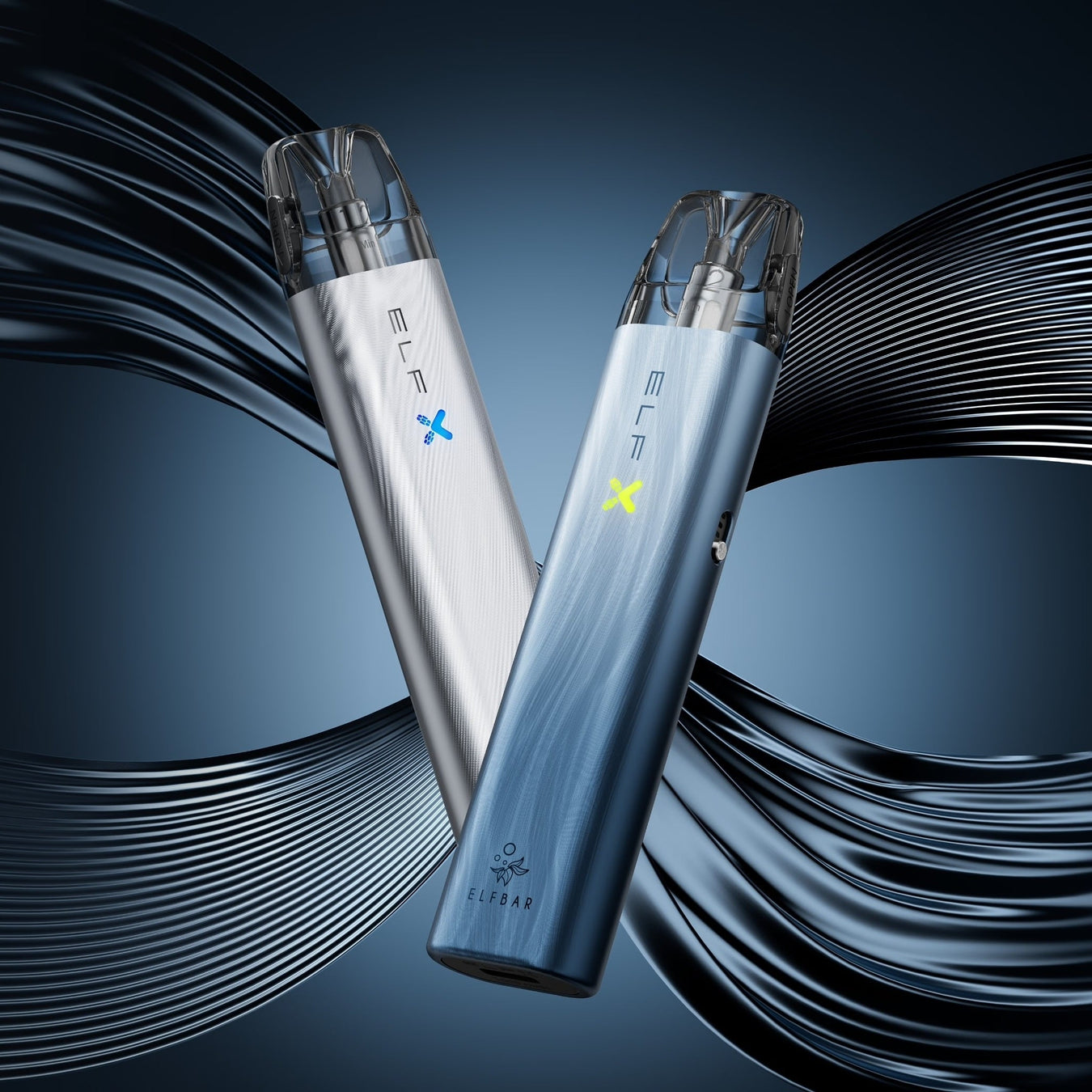
Rechargeable or refillable systems aren't automatically "perfectly sustainable." They also consume materials and eventually need to be replaced. The difference lies in the usage pattern: the battery and the main unit are reused instead of being disposed of after each use. Especially with regular use, this is the more obvious way to reduce waste.
Typical scenarios for switching
Not every user needs to switch immediately. But there are situations where a rechargeable system is the clearly more sensible choice:
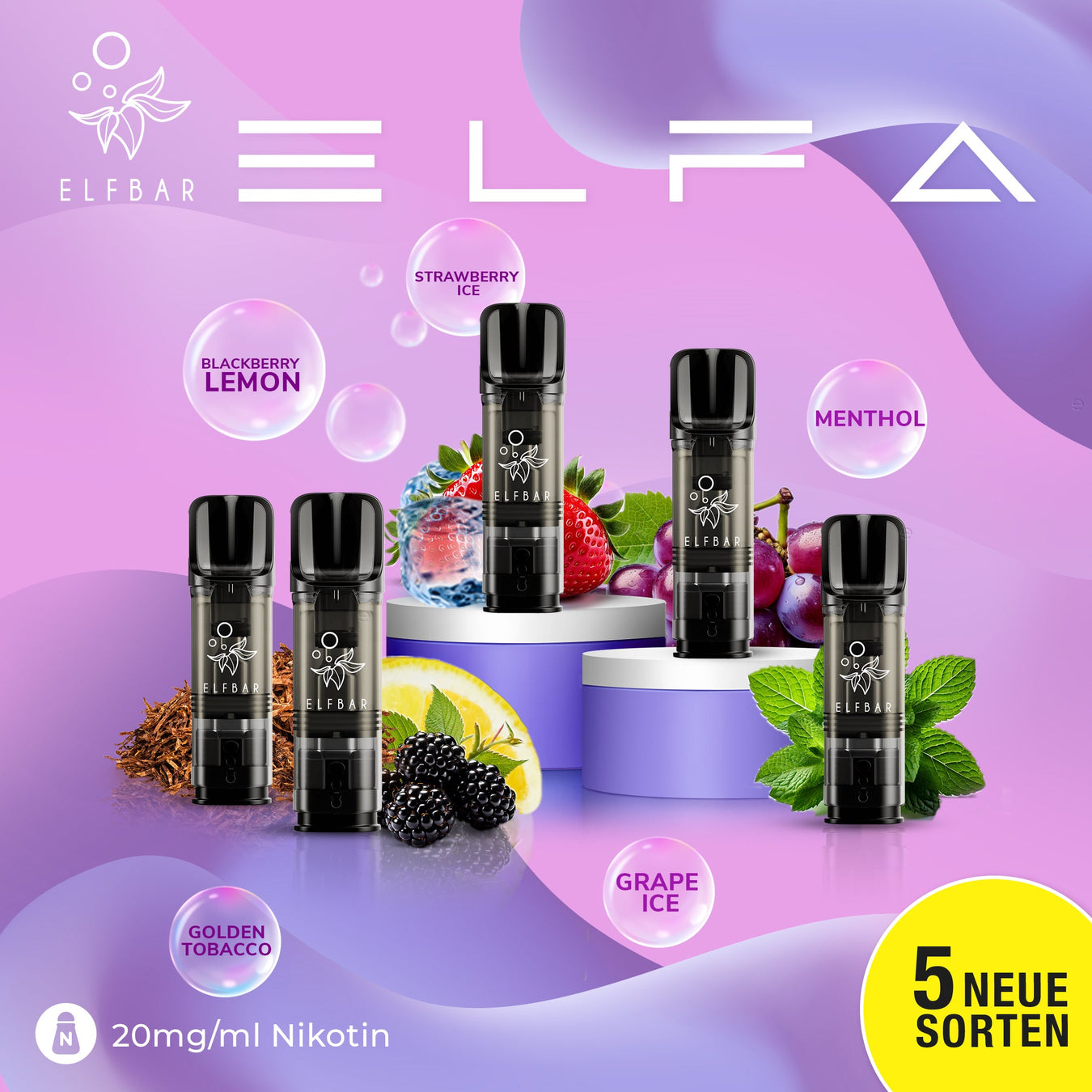
- Daily use: Anyone who vapes every day and regularly opens a new disposable device accumulates a considerable amount of electronic waste within just a few weeks. Pod system Using replaceable pods significantly reduces the amount of waste.
- A constant companion in everyday life: Those who always have their device with them anyway – on the way to work, during breaks, at home in the evening – benefit from a system that can be recharged and does not need to be constantly replaced.
- Cost-conscious use: In the long run, buying individual pods or liquids is usually cheaper than constantly buying new disposable devices. Anyone who keeps track of their monthly expenses will notice the difference over time.
- Conscious decision after boarding: Many people start with disposable devices because they're easy and require no prior knowledge. However, once you know which flavors and draw strength you prefer, switching to a rechargeable device is neither complicated nor expensive.
Those who started switching from smoking with disposable devices don't have to make a fundamental decision based on that. For many, the next sensible step isn't to give up vaping completely, but rather to switch to a system that involves less waste and is easier to control.
The environmental aspect beyond the numbers
Even without precise statistics, it's clear: lithium-ion batteries are not a harmless material. If they are disposed of with household waste, they can cause problems in waste incineration plants or landfills – from short circuits to fires. This is not a theoretical risk, but a documented problem with waste disposal.
Furthermore, improper disposal results in the loss of raw materials that could potentially be recycled. Lithium, cobalt, and copper are finite resources. Whether and how much of these are actually recovered from single-use devices depends on the collection method. Items that end up in residual waste are generally not recycled.
The argument is therefore not that every disposable device is an environmental disaster. Rather, it is that the sheer quantity and improper disposal create a problem that can be reduced through more conscious behavior.
What one should honestly tell consumers
- Disposable does not mean without consequences: Each device contains electronics and a battery.
- Do not dispose of in household waste: Use return channels.
- Don't fall for perfect environmental figures: Many comparisons are modeled, not measured.
- Consider alternatives if you use the service regularly: Rechargeable systems generally reduce the amount of disposable items.
What switching to reusable packaging doesn't automatically solve
A rechargeable system is not a free pass to environmental protection. Pods, refill containers, and consumable parts remain waste. Furthermore, nicotine remains an addictive substance. Sustainability, therefore, does not replace an honest examination of consumption. Simply switching from disposable to reusable products while continuing to consume unconsciously does not automatically solve every problem.
Nevertheless, the direction is clear: If a product needs to be completely disposed of less frequently, this is usually a better starting point in everyday life than constantly disposable devices.
Conclusion
The sustainability trap begins where disposable vapes are marketed as a consequence-free convenience. It's not every large number that's reliable, but the simple fact that disposable e-cigarettes contain batteries and electronics, don't belong in household waste, and generate avoidable electronic waste with frequent use. Anyone who vapes long-term should therefore at least consider whether a rechargeable system would better suit their daily routine.
A notice: This article provides general information only. Local regulations for the disposal of waste electrical and electronic equipment (WEEE) and batteries apply.