Fixed draw resistance: Who is MTL suitable for vapes?
What exactly does MTL vaping (mouth-to-lung) mean?
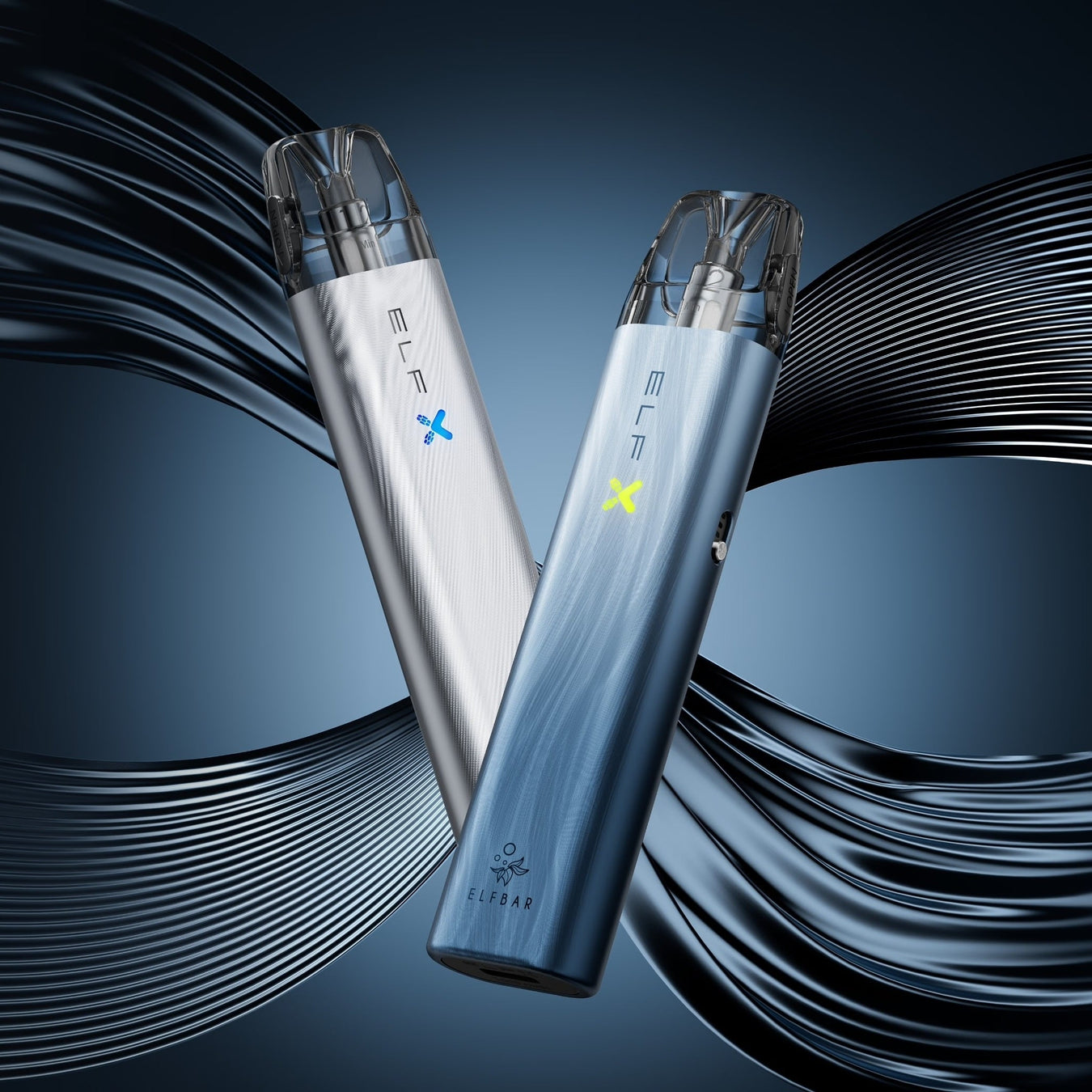
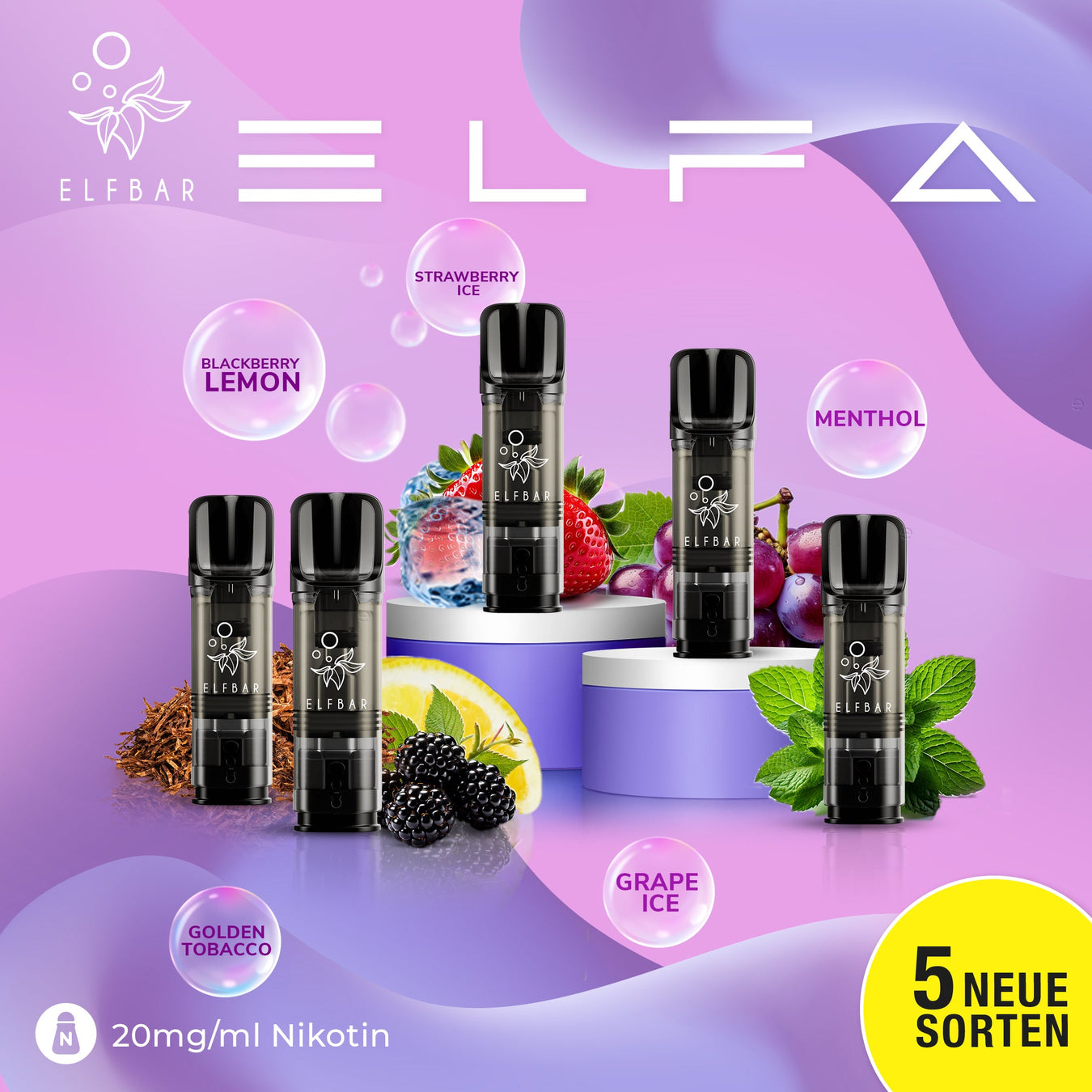
Disposable e-cigarettes like those from
MTL vaping is a two-stage process:
- Inhale steam into your mouth: First, slowly and steadily draw the vapor from the e-cigarette into your mouth, just as if you were drinking through a straw. The vapor collects in your mouth.
- Inhale steam into your lungs: After you finish your puff, inhale the vapor that has collected in your mouth into your lungs. This often happens along with some additional air.
This method mirrors exactly how most people smoke a cigarette. It creates noticeable resistance when inhaling, described as a "tight draw" or "forceful draw." This resistance is precisely what makes the experience so intuitive for former smokers. In contrast, "direct-to-lung" (DTL) vaping involves inhaling the vapor directly into the lungs in a single, deep draw, similar to taking a deep breath—an experience often perceived as too intense and unfamiliar by those switching from cigarettes.

The technology behind the perfect MTL draw
A satisfying MTL vaping experience is not a matter of chance, but the result of precisely tuned technical components. It is an interplay of resistance, power, and e-liquid composition that aims to mimic the draw of a cigarette.
The draw resistance: More than just the coil
A common myth claims that the coil's resistance (measured in ohms) alone is responsible for a tight draw. In reality, it's more complex. The entire airflow channel geometry plays a crucial role. This includes:
- The mouthpiece (drip tip): MTL devices typically have a narrow mouthpiece. This constricted opening limits the airflow and creates the characteristic resistance before the vapor even reaches the mouth.
- The internal air channels: The design of the airflow inside the device is equally important. A narrow channel ensures a tighter airflow.
Pro tip: Experienced vapers know that the perceived "tightness" of the draw depends more on the overall airflow design than on the resistance value alone. A device can have a high resistance, but if the mouthpiece is too wide, the draw will still feel too loose.
The coil: The heart of Flavour and steam
The coil is the heating element that vaporizes the e-liquid. For MTL (mouth-to-lung) vaping, coils with a higher electrical resistance are the norm.
- Optimal resistance: For a classic MTL (mouth-to-lung) vaping experience, the ideal resistance is 1.0 ohm or higher. This range ensures that less power is required, the vapor remains cooler, and the battery lasts longer.
- Mesh Coils: Modern disposable vapes as the
ELFBAR 800 use Advantages of mesh coils for intense e-liquidFlavour . Instead of a simple wire winding, a fine metal mesh is used here. This heats up more evenly and quickly, resulting in a purer and more intense aroma.Flavour from the first to the last train.
Power (watts) and temperature
The power with which the coil is fired directly affects the amount and temperature of the vapor.For MTL, less is more.
- Ideal performance range: A wattage range of 8 to 15 watts is typical for MTL devices. This low power output is perfectly suited to high-resistance coils and produces a pleasantly warm, but not hot, amount of vapor.
- Train duration: A typical draw duration for MTL vaping is between 1.5 and 3 seconds. If the vapor feels too hot, this is often a sign that the draw is too long. Try shortening the draw to make the experience more enjoyable.
The e-liquid: nicotine salt and the correct PG/VG ratio
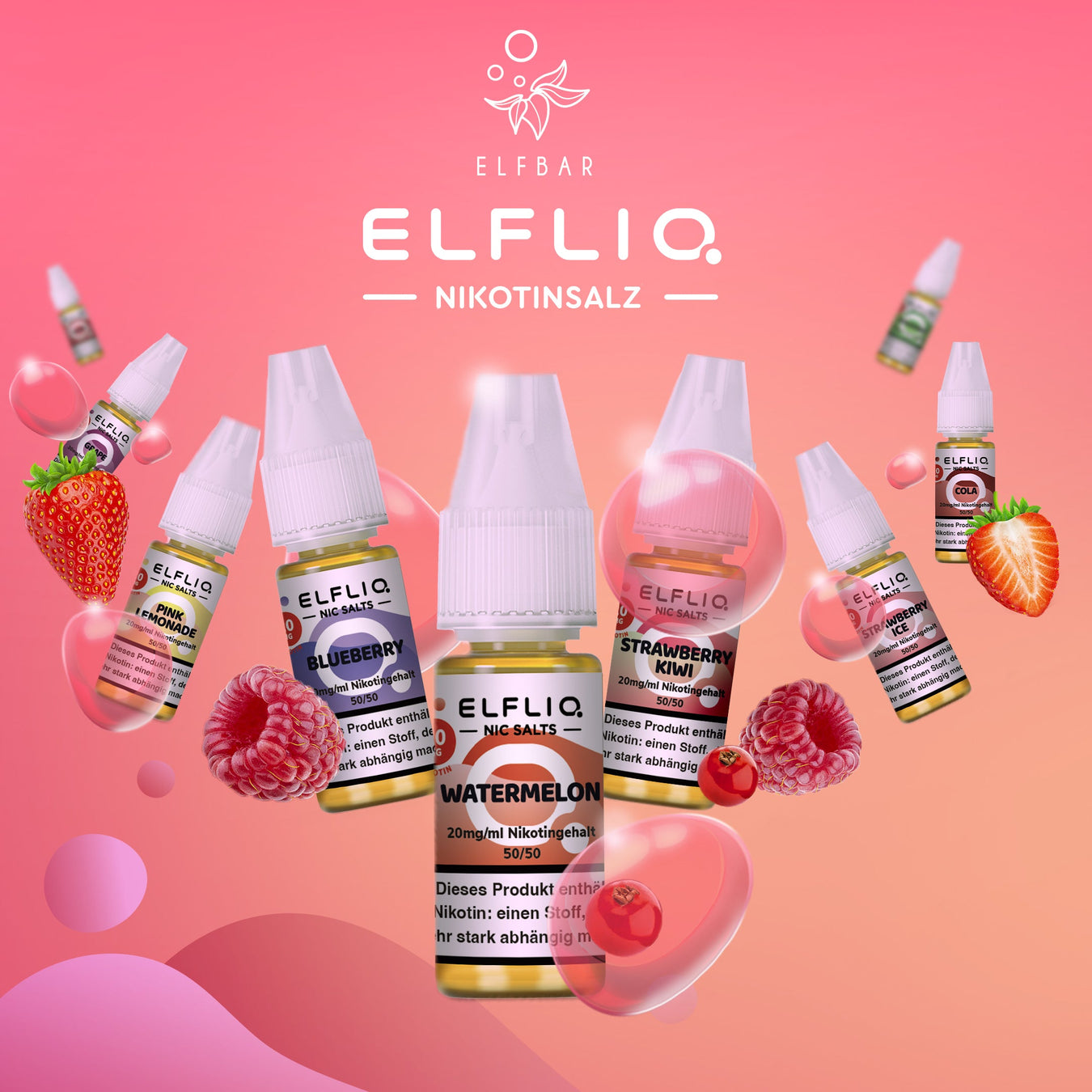
The liquid is the fuel for
- Nicotine salts: Most high-quality disposable vapes use Nicotine salt e-liquids. Unlike conventional nicotine, nicotine salts allow for faster absorption into the body and are perceived as smoother in the throat (“throat hit”). This closely resembles the sensation of smoking a cigarette and is particularly effective for new smokers. In accordance with the EU Tobacco Products Directive (TPD), implemented in Germany Tobacco Products Act (TabakerzG), The nicotine concentration is limited to a maximum of 20 mg/ml.
- PG/VG ratio: The ratio of propylene glycol (PG) to vegetable glycerin (VG) is crucial. PG is a better
Flavour The PG/VG ratio is responsible for the vapor density and ensures a "throat hit." For MTL devices with small coils, a 50/50 PG/VG ratio is ideal. It's thin enough to guarantee a constant flow of e-liquid and thus a burnedFlavour with the mesh coil to prevent.
For whom is MTL vaping the right choice?
MTL is not just a technique, but a conscious decision for a specific way of vaping. It is ideally suited for specific user groups.
- Switchers from tobacco cigarettes: This is the primary target group. The consistent draw resistance and two-stage inhalation perfectly mimic the smoking ritual. This significantly lowers the barrier to switching. A comprehensive analysis of Cochrane Library, The gold standard for evidence-based medicine concludes that e-cigarettes with nicotine are more effective in helping people quit smoking than traditional nicotine replacement therapies.
- The discreet vaper: Since MTL vaping produces significantly less vapor than DTL, it is the more discreet and socially acceptable option for use in public.
- The
Flavour s-Enthusiast: Many argue that the slower vaporization process and more concentrated vapor in MTL vaping bring out the subtle nuances of a liquid better.
The following table serves to illustrate the differences:
| feature | MTL (mouth-to-lung) | DTL (Direct-to-Lung) |
|---|---|---|
| Traction technology | Two-stage, similar to a cigarette | Single-stage, like a deep breath |
| Tensile resistance | High (firm, strict) | Low (open, airy) |
| steam quantity | Low to moderate | Large to very large |
| Nicotine strength | Higher (z.B. 10-20 mg/ml) | Lower (z.B. 0-6 mg/ml) |
| Device type | Disposable vapes, pod systems | High-performance box mods, sub-ohm devices |
| Ideal for | Switchers, discreet vaping | Experienced users, “Cloud Chaser” |
Avoid common mistakes: Practical tips for MTL beginners
The best way to get started in the world of vaping is to know and avoid typical beginner mistakes. There are a few pitfalls, especially when it comes to MTL vaping.
Mistake 1: Selecting the wrong device A common mistake is choosing a sub-ohm device (coil resistance below 1.0 ohm) when you're looking for a mouth-to-lung (MTL) experience. These devices are designed for direct lung vaping.
Mistake 2: Using the wrong liquid The use of liquids with a high VG content (z.B. 70% VG or more) in an MTL pod system or a Disposable vape This is a recipe for problems. The thick e-liquid cannot be absorbed quickly enough by the small coil (wicking problems), leading to dry e-liquids.
Mistake 3: Using an incorrect pulling technique Drawing too hard or for too long can overload the small MTL coil. This leads to a hot or even spitting sensation in the mouth. Stick to short, gentle draws.
Remember to clean your face after vaping. How to properly dispose of e-cigarettes must.
Expert tip: Find your perfect strength Many people switching from smoking are unsure whether they need nicotine and, if so, at what strength. A practical approach is to find a familiar source.
When buying, make sure you are purchasing original products to avoid risks. illegal vapes to avoid.

Key findings: Why MTL is the ideal starting point for switchers
In summary, MTL vaping is far more than just one of several options – for smokers seeking an alternative, it's the crucial bridge. It offers a familiar ritual, effective nicotine delivery that satisfies cravings, and a discreet vaping experience that integrates seamlessly into everyday life.
Devices like the
To ensure you receive an authentic and safe product, we strongly recommend verifying the authenticity of your
Disclaimer: This article is for informational purposes only. E-cigarettes contain nicotine, a highly addictive substance, and are intended for adult smokers as an alternative to tobacco cigarettes. They are not suitable for non-smokers, minors, pregnant or breastfeeding women, or individuals with pre-existing cardiovascular conditions. If you have any health concerns, please consult a doctor.
References
- Cochrane Library: Electronic cigarettes for smoking cessation
- Federal Institute for Risk Assessment (BfR): Questions and answers about e-cigarettes
- Federal Ministry of Justice: Tobacco Products Act (TabakerzG)