MTL vs. DTL Vaping: What goes with nicotine salt?
MTL vs. DTL: A fundamental difference in traction behavior
Before we talk about nicotine, we need to understand the two basic inhalation techniques in vaping: mouth-to-lung (MTL) and direct-to-lung (DTL). Your personal style largely determines which type of e-liquid and device will give you the best experience.
Mouth-to-lung (MTL): The classic route
MTL vaping is a two-step process that closely resembles smoking a traditional cigarette. First, you draw the vapor into your mouth, hold it there briefly, and then inhale it into your lungs.
- The feeling: The draw resistance is noticeably tighter, resulting in a more intense sensation in the throat, known as a "throat hit." The vapor production, however, is rather modest.
- Who is it ideal for? This method is perfect for those switching from cigarettes, as it mimics the familiar ritual. It is also suitable for vapers who prefer a more intense experience.
Flavour more important than huge clouds of steam.
Direct lung (DTL): The full volume
DTL vaping is a one-step process where you inhale the vapor directly and deeply into your lungs, similar to taking a deep breath or drawing on a hookah.
Those who draw frequently should know how to Avoids dry hits when chain vaping.
- The feeling: The draw is very open and airy, with almost no resistance. This produces massive clouds of steam, while the throat hit is significantly gentler.
- Who is it ideal for? DTL is popular among experienced vapers who enjoy "cloud chasing" (the pursuit of large clouds) and prefer a smoother inhalation experience at lower nicotine strengths.

Nicotine salt vs. freebase nicotine: More than just chemistry
The type of nicotine in your E-Liquid is the second crucial factor for your vaping experience. Choice between traditional freebase nicotine and modern nicotine salt It affects everything – from the strength of the throat hit to the speed of nicotine absorption.
Freebase nicotine: The long-standing standard
Freebase nicotine is the purest form of nicotine and was long considered the gold standard in e-liquids. It has a higher pH value, which at higher concentrations results in a strong, often harsh, throat hit. For this reason, most DTL vapers, who inhale large amounts of vapor, use e-liquids with very low freebase nicotine strengths (typically 3-6 mg/ml).
An interesting insight from practical experience: In low-powered MTL devices, freebase nicotine can sometimes have a slightly "peppery" taste.
Nicotine salt: Gentle, fast and efficient
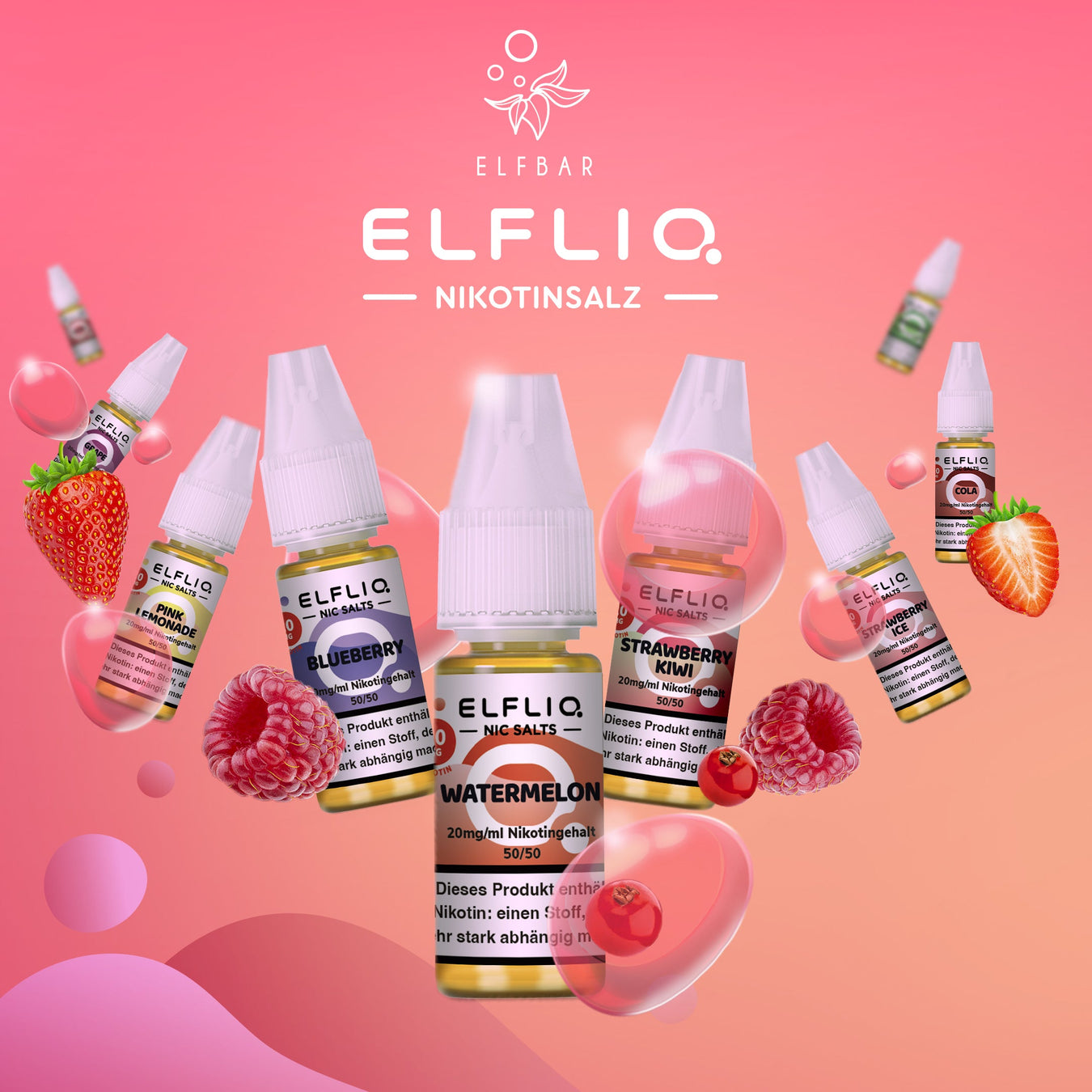
Nicotine salt is a further development in which benzoic acid is added to nicotine. This simple chemical step significantly lowers the pH value of the e-liquid. The result is a quantum leap for MTL vaping. You can learn more about this in our introductory article "What is nicotine salt e-liquid and how does it work?"Read more."
The advantages are impressive:
- Gentler Throat Hit: Even at high concentrations, the vapor feels softer and less scratchy.
- Faster recording: The body absorbs nicotine salt more quickly, leading to a faster and more intense satisfaction of the craving.
- Clearer
Flavour : The more neutral pH value allows the Aromas often purer and more authentic to come into effect.
These properties make nicotine salts particularly effective for smokers seeking an alternative. A comprehensive analysis of Cochrane Library, The gold standard for evidence-based medicine confirms that e-cigarettes with nicotine are an effective method for quitting smoking.
Direct comparison: Nicotine salt vs. freebase
| Characteristic | Nicotine salt | Freebase nicotine |
|---|---|---|
| Throat Hit | Gentle and soft | Strong and potentially scratchy |
| Nicotine intake | Very fast | Slower |
| High | Medium (can be "peppery") | |
| Recommended strength | 10-20 mg/ml | 3-12 mg/ml |
| Ideal vaping style | MTL (mouth-to-lung) | DTL and MTL |
Perfect harmony: Why nicotine salt and MTL are a perfect match
The combination of MTL inhalation and nicotine salt e-liquids is the most convincing solution for many vapers, especially those switching from traditional cigarettes. This is due to a perfect synergy between chemistry and technology.
The Chemistry of Satisfaction: A Gentle Hit at High Concentration
The main advantage of nicotine salt is that it allows for a high nicotine concentration without irritating the throat. In Germany and throughout the EU, the nicotine strength for e-liquids is regulated by law. Tobacco Products Directive (TPD) The concentration is limited to 20 mg/ml. A concentration of 20 mg/ml with freebase nicotine would be unbearably harsh for most users. However, with nicotine salt, it is pleasantly vapeable.
This high concentration, combined with rapid absorption, very effectively simulates the nicotine rush of a cigarette. This quickly and satisfactorily satisfies cravings, which is crucial, especially during the transition phase.
Device compatibility: Low power consumption, maximum effect
MTL devices are designed for efficiency at low wattage. They typically operate at under 15 watts and use coils (heating coils) with a higher resistance (often 1.0 ohm or more). This configuration is ideal for nicotine salts.
- Avoidance of overdose: The lower vapor production ensures that you ingest an appropriate and not excessive amount of nicotine with each puff.
- Optimal evaporation: The lower temperature protects the nicotine salts and flavorings, resulting in a pure and intense experience.
Flavour experience leads.
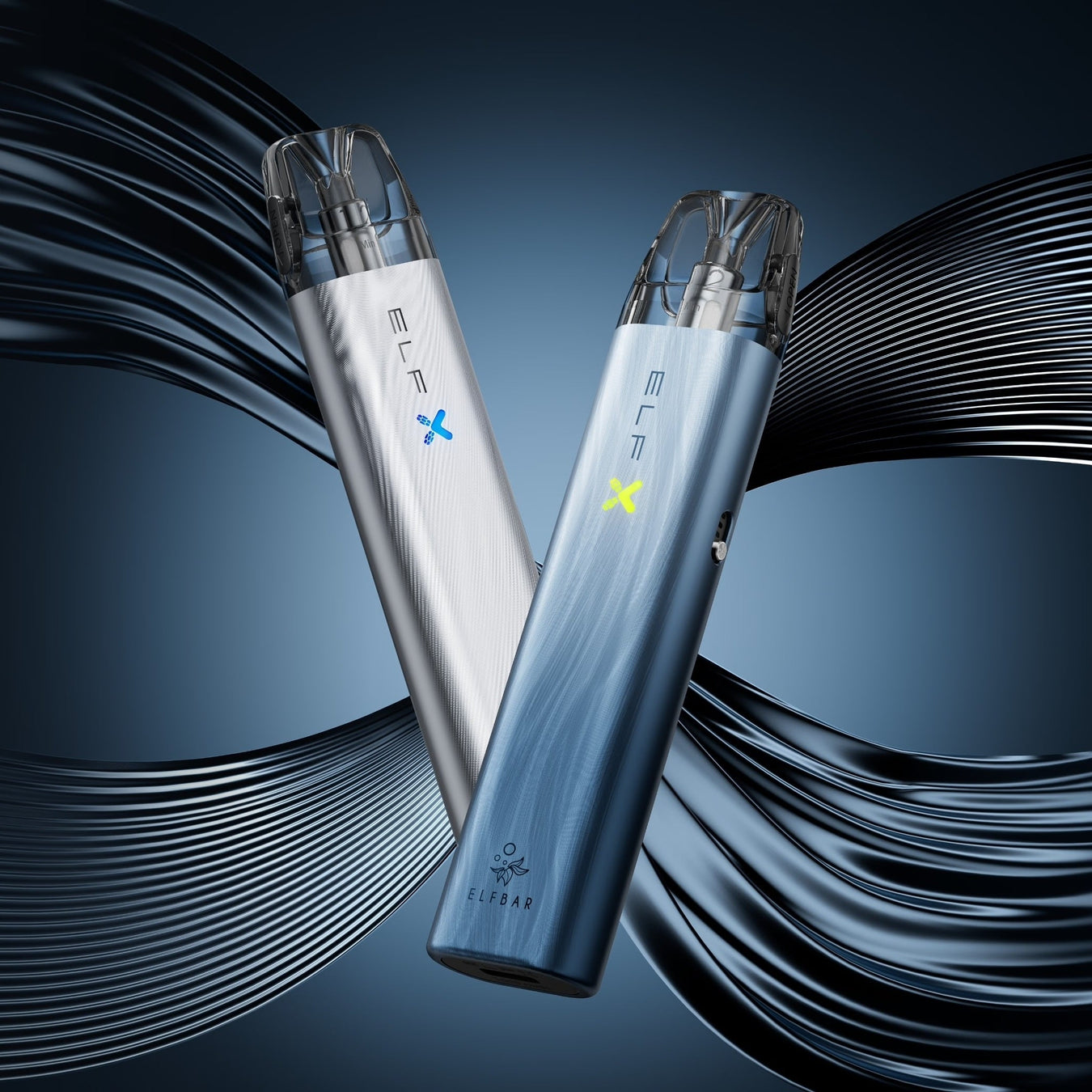
Devices like the

The most common mistake: nicotine salt in DTL devices
One of the most common and unpleasant mistakes vapers make is using highly concentrated nicotine salt liquid in a powerful DTL (sub-ohm) device.
What happens during this process? A DTL device with a power output of 50 watts or more produces huge vapor clouds. If this vapor is enriched with 20 mg/ml nicotine salt, you can inhale with just a few breaths.
- Extremely scratchy and sharp
Flavour : Even though nicotine salt is gentler, this amount of vapor will be overwhelming. - Nicotine shock: Dizziness, nausea and headaches are typical symptoms of mild nicotine poisoning.
Rule of thumb from experts: Nicotine salts with strengths above 10 mg/ml should only be used in MTL devices with a power output below 15 watts. For DTL vaping, low-dose freebase liquids (3-6 mg/ml) are a far better and safer choice. If you are unsure about the strength, our guide will help you.Nicotine salt strength: How to choose the right one?".
Which vaping style suits you best? A guide to help you decide.
The choice between MTL and DTL is a matter of personal preference. This checklist will help you decide:
Choose MTL if...
- . ...They've just switched from cigarettes.
- . ...a noticeable "throat hit" is important to you.
- . They value intense, nuanced
Flavour place. - . ...you want to vape discreetly and inconspicuously.
- . ...you are looking for quick and effective nicotine gratification.
Choose DTL if...
- . ...you want to create impressive, dense clouds of steam.
- . ...They prefer a very open, airy draft feeling.
- . ...you already have experience with e-cigarettes.
- . ...they like best nicotine-free or vape with a very low nicotine strength (0-6 mg/ml).
For most users who appreciate nicotine salt for its fast action and smoothness, MTL is the clearly superior vaping style. It offers a safe,
A word on safety and responsibility
It is important to make an informed decision. Federal Institute for Risk Assessment (BfR) It notes that, based on current knowledge, e-cigarettes are likely significantly less harmful than conventional tobacco cigarettes. Nevertheless, they are not risk-free products and are intended exclusively for adult smokers as an alternative to cigarettes. They should not be in the hands of minors or non-smokers.
Disclaimer: This article is for informational purposes only. It does not constitute medical advice and is not a substitute for professional advice from a doctor or pharmacist. If you have health concerns or wish to quit smoking, please consult a qualified healthcare professional.