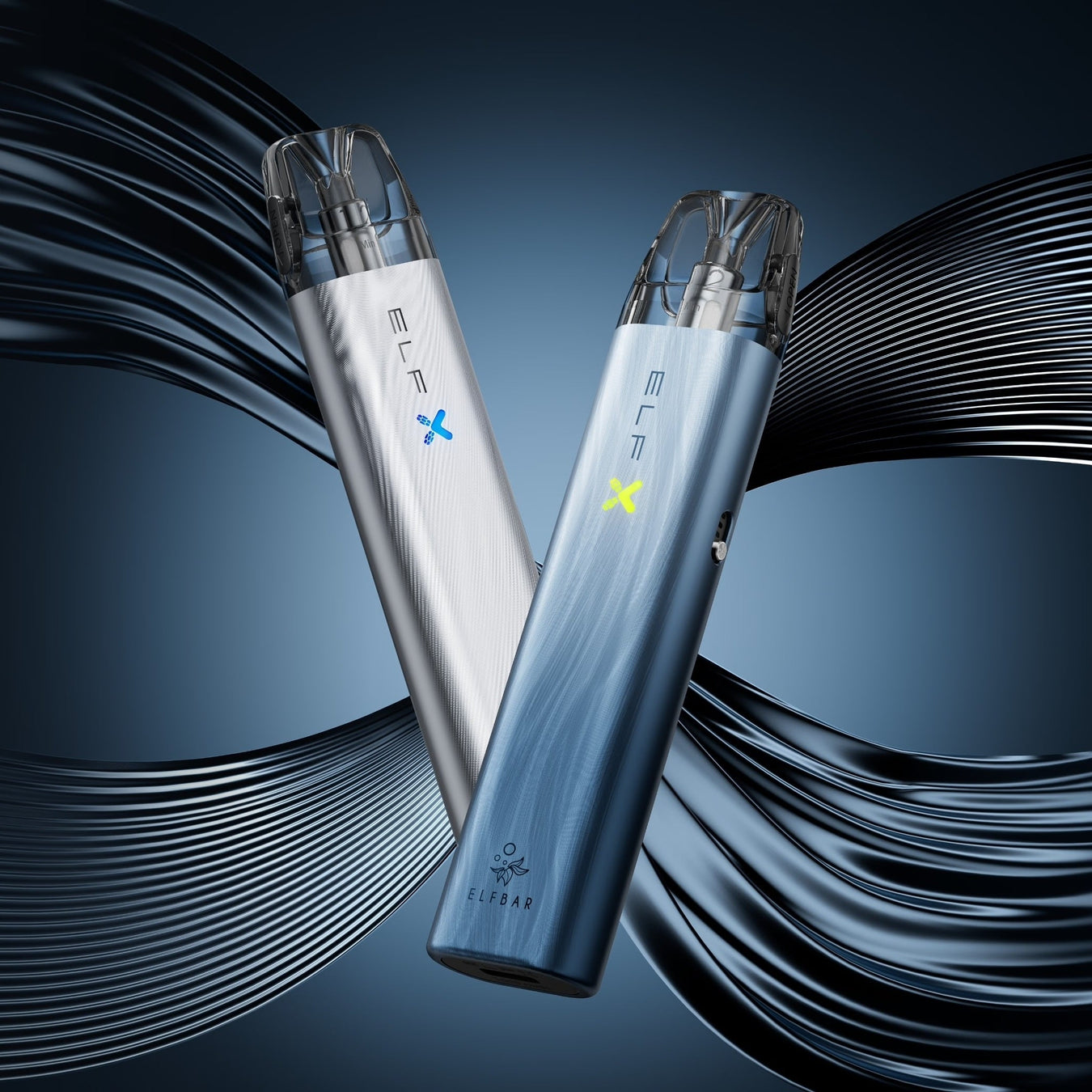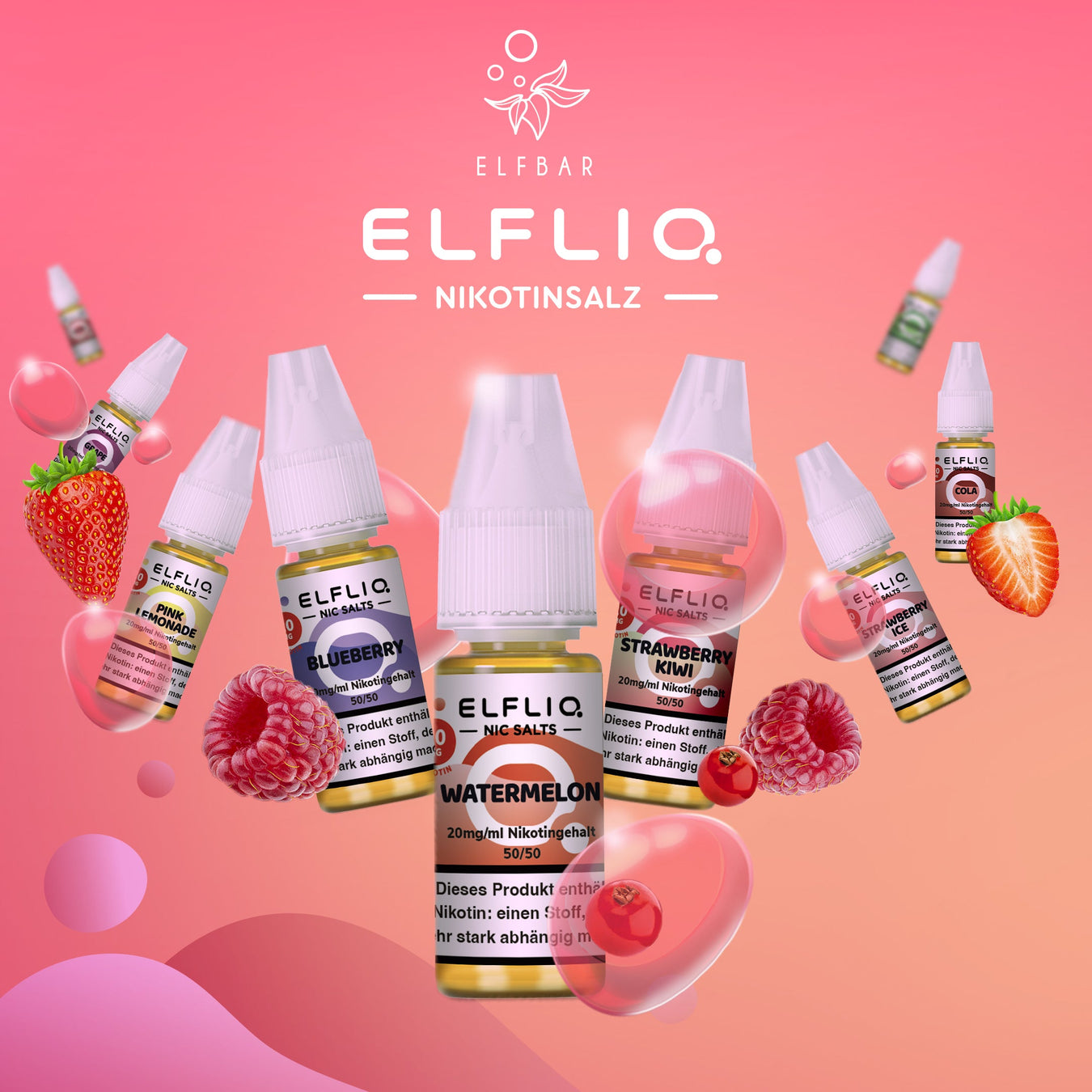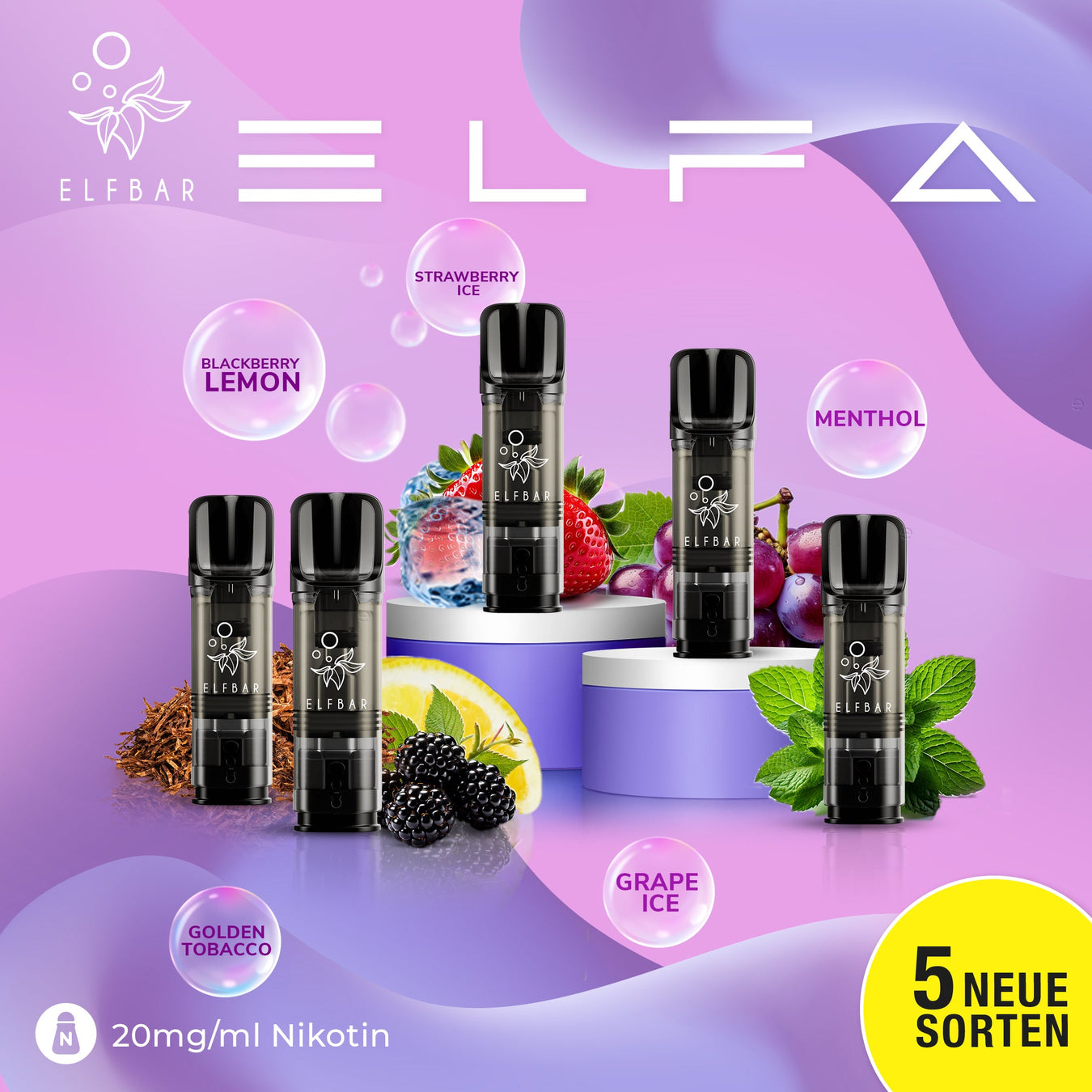
Mesh vs. Wire: Which Coil Type Delivers More Flavor?

Important NOTE & Transparency: E-cigarettes are not risk-free and are intended for adults (18+) only. They are not suitable for non-smokers, pregnant women, or people with cardiovascular disease. Information on the health risks can be found at [website/organization name]. Federal Centre for Health Education (BZgA). This article was created by our team of experts based on technical principles and customer experiences; it contains links to products from our shop (marked as product examples).
Introduction: The central role of the coil for the Flavour experience
For discerning vapers, the search for the perfect flavor is a constant journey. It's not just about the e-liquid, but crucially about the hardware that transforms it into vapor. At the heart of every vaporizer lies the decisive component: the coil, also known as the heating element. The technological evolution from traditional wire coils to modern mesh coils has fundamentally changed the way we perceive flavors.
However, maximum steam production is ensured by the Dual-mesh technology, which uses two heating coils simultaneously.
In this guide, we compare the heating dynamics and aroma development of both technologies. Our analysis is based on the physical principles of heat conduction, as well as long-term observations from customer support and technical feedback on common vaporizer systems.
The basics: How a coil Flavour forms
Before we examine the differences, it's important to understand the basic function of a coil. The coil acts as a resistor that converts electrical energy into heat. It is surrounded by a wicking material (usually cotton wool) that holds the e-liquid.
The process in practice:
- The cotton absorbs the e-liquid.
- When the coil is fired, electricity flows through it and heats it up.
- The liquid evaporates at the contact surface.
- Airflow and steam mix for inhalation.
The efficiency of this process depends strongly on the surface area and the uniformity of the heat distribution. A larger surface area generally allows for more efficient evaporation with lower thermal stress on the individual molecule.
The classic wire coil: Tried and tested, but with physical limitations
A traditional wire coil consists of a wire (e.g., Kanthal or stainless steel) wound into a spiral. For years, this was the standard in the vaping industry.
Heating dynamics and aroma profile Due to the physical properties of the wire, the heat is concentrated in its core. This results in a relatively small but intense contact point with the cotton. Based on our experience and user feedback, wire coils tend to accentuate "base notes" like tobacco, vanilla, or heavy dessert flavors well due to the higher local temperature.
Practical limitations
- Hot spot risk: Uneven coiling or insufficient wicking can lead to "hot spots". These areas overheat. Liquid local, resulting in a burnt
Flavour can lead to this. - Inertia: Massive wires often require a short warm-up phase (ramp-up time) before the full amount of vapor is produced.
The mesh coil: Optimized surface for modern e-liquids
Unlike a wire coil, a mesh coil consists of a fine metal mesh. This structure has become increasingly popular in recent years. Standard for
Advantages of heating dynamics The decisive advantage of mesh lies in the significantly larger surface area in relation to mass. This leads to the following observations:
- Reduced hot spot risk: The flat structure ensures more even heat distribution when the wick is properly saturated. This significantly reduces the risk of localized burning of the e-liquid, provided the cotton is adequately saturated with e-liquid. (You can find tips on this in our guide:) Mesh coil burnt
Flavour – Causes & Solutions). - Fast response time: The low mass of the grid allows for almost instantaneous heating and cooling.
- Precision in head notes: Mesh coils are known for clearly reproducing "top notes" (such as the acidity of berries or the zest of citrus fruits). Products like the
ELFBAR 800 Blue Razz Lemonade (product example) use this effect for a nuancedFlavour profile.
Maintenance note: Due to their high vaporization rate, mesh coils require a reliable supply of e-liquid. With very sweet e-liquids ("sweeteners"), gunk buildup can occur more quickly, which can affect the coil's lifespan.
Direct comparison: Mesh vs. wire in practice
Based on technical data sheets and practical application, the differences can be summarized as follows:
| criterion | Mesh coil | Wire coil |
|---|---|---|
| heating surface | Large and expansive | Smaller and more focused |
| response time | Very fast | Often with a slight delay |
| Aroma focus | Clarity, freshness, fruity notes | Warmth, depth, heavy notes |
| Hot spot risk | Low (with good satiety) | Moderate (depending on the winding) |
| Ideal for | Modern Pods & Fruit liquids | Traditional vaping & tobacco |
Application scenarios:
- Fruit- & Menthol lovers: Here, mesh usually offers a clearer separation of aromas. (Example:
ELFBAR 800 BlackberryIce - Product example). - Lovers of warm steam: Those who prefer a higher steam temperature and a "heavier" mouthfeel will often find a suitable alternative in classic wire constructions.
Modern devices such as the
Quality and safety: Legal framework
The choice of coil is also a question of material quality. In Germany, these are subject to [relevant regulations/standards]. E-cigarettes dem Tobacco Products Act (TabakerzG) and the EU-wide TPD directive.
- Security: Reputable manufacturers have their coils tested for material purity to ensure that no harmful residues are released when heated.
- Standards: The ISO 20768 defines standards for emissions testing.
- Certification: Look out for products that have been tested and certified by independent institutes such as... ASL Analytic Serv
ice or comparable laboratories have tested for conformity.
Conclusion: Which type suits you?
There is no "objectively best" coil, but clear trends: Mesh has become popular due to its efficiency and clear [missing information - likely a specific feature or characteristic].
For beginners, systems like the