Interpret LED signals: battery status for disposable and pod vapes
A flashing light on your e-cigarette can be confusing. Is the battery dead? Is there a malfunction? The answer depends crucially on the type of device you have. While disposable vapes usually only signal a single condition, rechargeable pod systems use a more nuanced light language to indicate different situations. Understanding these signals is key to trouble-free use and helps you take the right action quickly.
This guide deciphers the meaning of the different LED patterns at Disposable and pod vapes. I'll show you how to correctly interpret your device's signals, fix common problems yourself, and minimize their occurrence through simple maintenance. This way, you'll always know exactly what your device is trying to tell you.
The LED on disposable vapes: The universal signal for "battery almost empty"
Disposable e-cigarettes, such as the popular
From my experience, I know that many users of this Misinterpreting flashing lights as a defect. In reality, the device is indicating that it still has about 10–20% of its battery capacity. You can therefore continue using it for a short time, but you should be prepared for it to soon reach its maximum lifespan and stop firing. This design is intentional: it gives you an early warning before the device is completely depleted.
Once the battery is completely depleted, the device stops heating and the LED no longer illuminates, even when drawn. Since disposable devices are by definition not rechargeable, this is the signal to dispose of the device properly. According to German regulations... Battery Act (BattG) These devices must be handed in at special collection points (e.g. in supermarkets, electronics stores or municipal recycling centers) and must not be disposed of in household waste.
Pod systems: A more complex language of lights
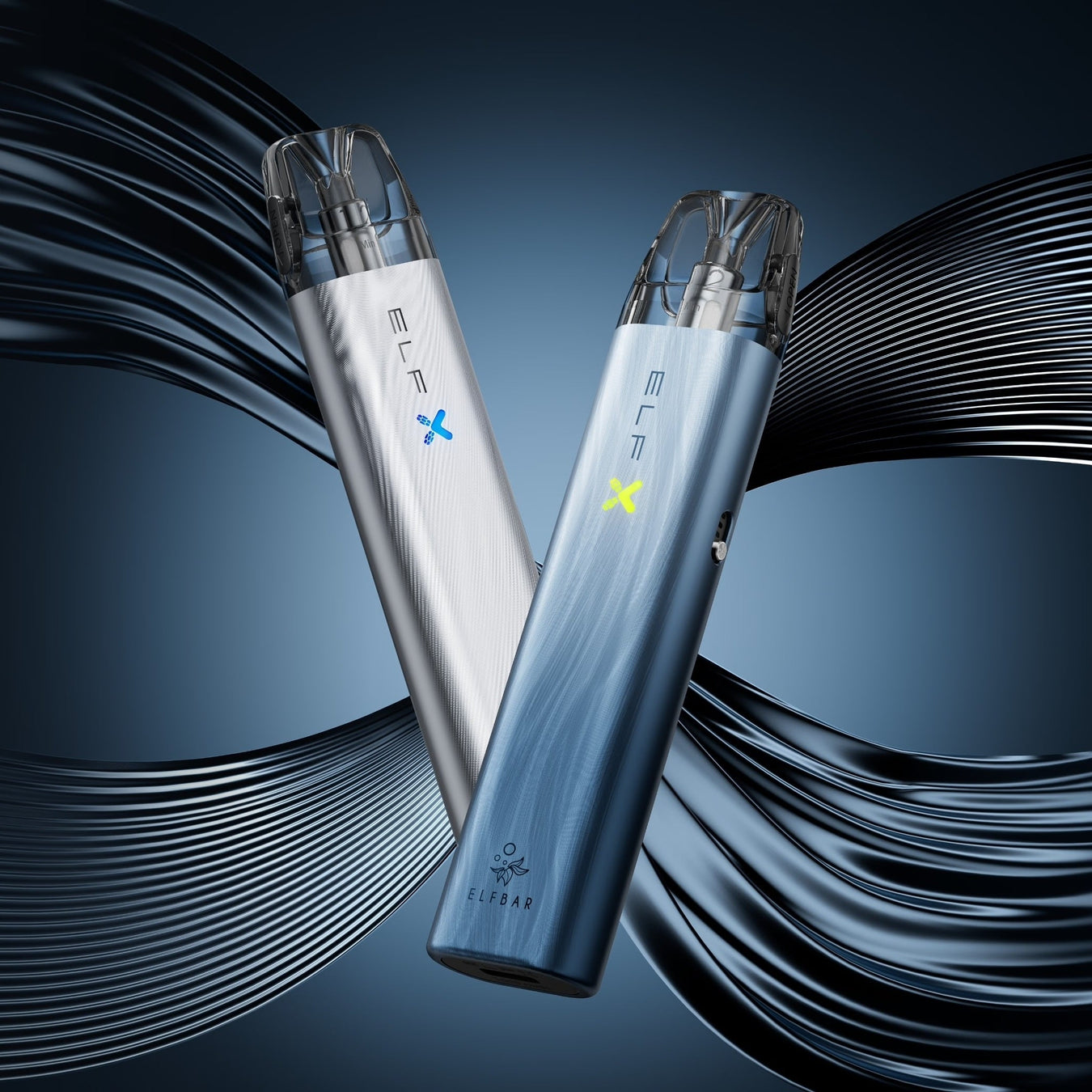
Rechargeable pod systems like the
Rapid, frantic flashing: The alarm signal
Rapid, almost panicky flashing of the LED (often 5-10 times per second) is a clear indication of a security problem. This is not a cause for panic, but rather a sign that the device's internal protection mechanisms have been activated. The most common causes are:
- Short circuit: A problem with the pod or the device itself.
- Pod detection error: The contacts between the pod and the battery carrier do not have a clean connection.
- Train control system error: The sensor that detects pulling on the mouthpiece is blocked or defective.
In 9 out of 10 cases, this problem can be solved with a simple procedure:
- Remove pod: Immediately remove the pod from the device.
- Check contacts: Check the gold metal contacts at the bottom of the pod and inside the device. A small amount of condensation or dirt often collects here.
- Clean thoroughly: Wipe the contacts on both the pod and the device with a dry cotton swab or a clean, dry cloth. Do not use liquids.
- Reinsert the pod: Reinsert the pod firmly into the device until it audibly clicks into place.
This process usually restores the connection and the device should then function normally. The rapid flashing is therefore an important safety feature that prevents damage to the battery.
Charging indicators: From pulsating light to continuous illumination
The LED behavior during the charging process is described below. Pod systems also standardized. A common pattern is:
- Pulsating or flashing light: The device is currently charging.
- Continuously lit or extinguished light: The battery is fully charged.
A common and frustrating issue occurs when the device works normally when unplugged but shows no charging indicator when connected via a USB-C cable. Based on technical experience, the cause is over 90% likely to be a dirty or damaged USB-C port. Dust, lint from a pocket, or other debris can block the connection. Carefully cleaning the port with a non-metallic object (such as a wooden toothpick) or compressed air can often resolve the problem.
Color-coded battery levels
Many modern pod systems also use the LED to display the current battery level during use.
- Green: High battery level (z.B. 70-100%)
- Blue: Average battery level (z.B. 30-70%)
- Red: Low battery level (z.B. less than 30%)
This feature is extremely useful for better estimating the remaining usage time and avoiding unexpectedly running out of battery.
Systematic troubleshooting: LED signals at a glance
To help you diagnose the problem quickly, I've compiled a table summarizing the most common LED signals and their meanings for both types of devices. Consider this your "cheat sheet" for emergencies.
| LED signal | Possible cause (disposable vape) | Possible cause (pod system) | Recommended action |
|---|---|---|---|
| Slow, rhythmic flashing | Battery almost empty (~10-20% remaining capacity) | Low battery (often indicated by red color) | Replace device soon/Charge battery |
| Rapid, multiple flashing | (unusual) | Short circuit, pod detection error, train control error | Remove the pod, clean the contacts, reinsert the pod. |
| No light when pulling | Battery completely empty | Battery completely empty OR device switched off | Dispose of the device/Charge the battery/Turn on the device (if applicable) |
| It lights up when pulling, not when charging. | (not applicable) | USB-C port is dirty or defective | Carefully clean the USB-C port, test a different cable/charger. |
Proactive maintenance: How to avoid LED failures from the outset
The best way to troubleshoot is to prevent problems from occurring in the first place. With just a few simple steps, you can significantly increase the reliability of your pod system.
1. Regular cleaning of the contacts: Make it a habit to briefly inspect the contacts every time you change or refill the pod and clean them with a dry cloth if necessary. For stubborn dirt caused by leakage, Liquid A cotton swab, very sparingly moistened with isopropyl alcohol, can be helpful. Allow the contacts to dry completely afterwards.
2. USB port maintenance: Protect the charging port from dust and moisture. Regular, careful cleaning will prevent the most common charging problems.
3. Correct storage: Avoid leaving your device in environments with extreme temperatures or high humidity. Condensation can damage the electronics, especially the LED display. Occasionally cleaning the transparent LED window with a soft cloth will ensure a clear view.
4. Note production fluctuations: Although the LED patterns are largely standardized, technicians say that minimal variations can occur between different production batches of the same model. The blink duration or brightness may vary slightly. The user manual is always the first point of reference, but expect that reality may exhibit slight variations. This is normal and not a sign of a defect.
By using refillable pods such as the
Legal framework and product safety in Germany
Understanding LED signals is also a matter of product safety and authenticity. E-cigarettes and e-liquids sold in Germany must meet strict regulations. According to the Tobacco Products Act (TabakerzG) E-cigarette tanks (such as those in disposable vapes or prefilled pods) may contain a maximum of 2 ml of liquid, and the nicotine concentration is limited to 20 mg/ml. This is one reason why models with larger tanks are not legally available in Germany.
Another crucial characteristic for legal products is the tax stamp.As from German customs By law, all nicotine-containing e-liquids sold in Germany must bear such a label. Products without this seal are likely contraband or counterfeit goods, where the ingredients have not been tested and the safety features, such as the LED warnings described here, may not function correctly.
Concluding thoughts
A blinking LED light isn't a mystery, but a useful form of communication between you and your device. The key takeaway is differentiation: a slow, steady blink on a disposable vape means "battery running low," while a fast, erratic blink on a pod system signals a "problem detected," which can usually be fixed with a simple cleaning. Understanding these signals will not only help you optimize your device's lifespan and performance, but also ensure a safe and frustration-free vaping experience.
Important NOTE: This article is for informational purposes only. The information contained herein does not constitute medical advice and should not be considered a substitute for professional consultation with a physician or other qualified healthcare professional. If you have any health concerns, particularly related to smoking or the use of e-cigarettes, please consult a doctor.
References:
- Federal Ministry of Food and Agriculture: Tobacco Products Act (TabakerzG)
- Federal Ministry for the Environment, Nature Conservation, Nuclear Safety and Consumer Protection: Battery Act (BattG)
- German Customs: Information on tobacco tax on tobacco substitutes