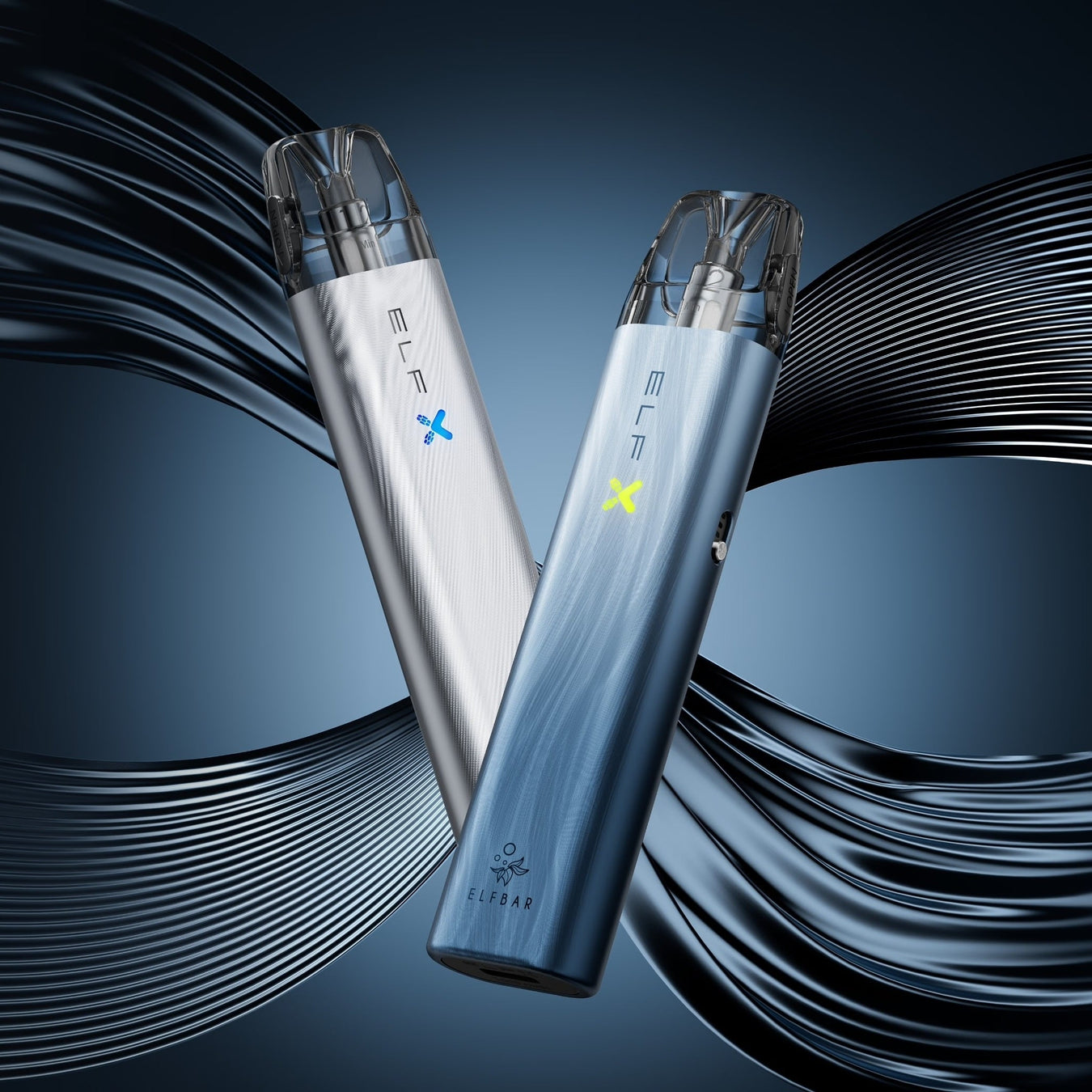
Counterfeit vs. Original: Battery risks with clone vapes
Introduction: The invisible danger in counterfeit vapes
Counterfeit vapes are flooding the market and are more than just a nuisance for legitimate manufacturers – they pose a serious safety risk to consumers. While many users complain about poor-quality products, the market is increasingly hampered by the fact that counterfeit vapes are a major concern for consumers.
Transparency note: This guide is provided by
This article highlights the specific risks associated with counterfeit batteries and explains how genuine products, which adhere to strict safety standards, ensure your safety. We provide you with the knowledge to identify counterfeits and react appropriately in an emergency.
The core of the problem: Why counterfeit batteries are so dangerous
The main reason for the Danger posed by counterfeit vapes, The massive cost savings in safety-critical components are a major drawback. Manufacturers of counterfeit parts systematically circumvent quality controls and... technical certifications. While branded products meet standards such as IEC 62133 (Safety requirements for portable lithium batteries) or the UN 38.3 test module While these tests are conducted for safe transport, clones completely lack this evidence.
Furthermore, avoid burnt coils by... Waiting time after filling new pods observe.
Missing protection circuits (PCM)
Original vapes have an integrated protection circuit (Protection Circuit Module, PCM). This tiny circuit board acts as a safety anchor for the battery and provides protection against:
- Overloading: Prevents chemical instability caused by excessively high voltages.
- Deep discharge: It protects cell chemistry from irreversible damage.
- Short circuit: Immediately interrupts the current flow in case of external contact (e.g., through metal in the pocket) or internal defects.
In counterfeit products, this circuit is often omitted or replaced with inferior components. Without PCM, a simple technical defect can trigger an uncontrolled discharge, which can lead to a thermal chain reaction (Thermal Runaway) leads to.
Inferior lithium cells and "jelly roll" defects
Analyses of counterfeit devices in our laboratory often reveal serious defects in the cell structure. Genuine batteries use precisely wound electrode foils. Counterfeits often exhibit irregularities here, which can lead to internal short circuits.
Observed warning signs from practice:
- Extreme heat generation: The case will be ready after just a few
puffs It's so hot you can hardly hold it. - Deformation (swelling): The casing is bulging, which suggests gas formation inside the cell.
- Chemical odor: A sweet, pungent odor signals the leakage of electrolyte – an acute fire risk.
Original vs. fake: Security features compared
The following table is based on technical benchmarks and regulatory requirements.
| feature | Original brand product (z.B. | Counterfeit clone product |
|---|---|---|
| Certification | Tested according to UN 38.3 & IEC 62133 | No verifiable tests |
| Protection circuit (PCM) | Integrated by default | Often missing or inadequate |
| Weight (guideline value) | Constant density through quality cells | Often 5–15% lighter (inferior fillers) |
| Legal compliance | TPD-compliant (Tobacco Products Act) | Illegal (often) >2ml Liquid / >20mg nicotine) |
| Tax security | German tax stamp present | No or counterfeit band |
| verification | QR code on the official manufacturer's domain | No code or links to fake websites |
An original product like the
How to spot fakes: The checklist
Use these steps to check a suspicious device before using it. See our guide for more details.Fake disposable vapes? Here's how to check their authenticity.".
- The weight benchmark: Based on our lab comparisons, counterfeit batteries often weigh significantly less. Due to the higher energy density of the battery and its more robust construction, an original battery typically weighs between 28g and 31g (depending on the model). Any weight drop below this is a warning sign.
- QR code scan: Each original has a unique code. Scan this code exclusively via the official manufacturer's website (e.g., [website address]).
elfbar.com/verifyMake sure the URL is entered exactly the same way in your browser. - Check the tax stamp: In Germany, the absence of the tax stamp is, according to Customs a clear indication of illegal goods.
- Build quality: Look out for crooked logos or rough edges on the mouthpiece.
Immediate action: What to do in case of battery problems?
Should your device show signs of a defect (excessive heat, hissing, smoke), quick and calm action is required:
- Gain some distance: Immediately place the device on a non-flammable surface (e.g., tiles, stone floor, sand).
- Do not extinguish with water: Lithium fires are highly flammable. Use sand, a fire blanket, or a metal bucket to insulate the device.
- Ventilate the room: Do not inhale the escaping smoke (vapor/gases).
- Call emergency services: In case of open flame or heavy smoke indoors, immediately call the fire department (112). Do not attempt to disassemble the appliance yourself.
Safe handling and disposal
Even with original products, the same applies: Treat the battery with respect.
- Storage: Do not store above 45°C (no direct sunlight, no hot car).
- Transport: Do not carry vapes loosely with keys or coins. A short circuit at the contacts can cause problems even with good batteries.
- Disposal: Loud Battery Act (BattG) Vapes should never be thrown in the household waste. Use the collection boxes in stores or recycling centers.Information on registration can be found at the EAR Foundation.
Conclusion: Safety before bargains
The risks associated with counterfeit batteries are not a theoretical danger, but a real technical deficiency due to a lack of standards such as IEC 62133. Protect yourself by purchasing only from authorized retailers and verifying each device.
Disclaimer
This article provides general information and education on product safety. It does not replace fire safety or medical advice. In case of acute danger due to defective batteries, always call professional help (fire department). The use of e-cigarettes is at your own risk; always observe the warnings on the packaging.
References & Safety standards
- IEC 62133-2: International standard for safety requirements for portable lithium batteries.
- UN 38.3: Test manual for the safe transport of lithium batteries.
- Tobacco Products Act (TabakerzG)
- Zoll.de - Tobacco tax and safety features
- EAR Foundation - Register for Waste Electrical and Electronic Equipment
- Federal Ministry for the Environment - Battery Act (BattG)