Nicotine strengths compared: Which Elfbar Does it suit you?
Nicotine strengths compared: The right choice for your experience
Transparency note: As a specialist retailer for
From 20 mg/ml to nicotine-free options – choosing the right nicotine strength can significantly influence the success of switching from tobacco cigarettes. Too high a concentration can be unpleasant, while too low a concentration often fails to adequately satisfy cravings. This guide provides sound decision-making support based on current industry standards and legal frameworks.
Basics of nicotine strength in vapes
The information on e-cigarettes is precisely regulated to ensure transparency and safety for the consumer.
What does "mg/ml" mean?
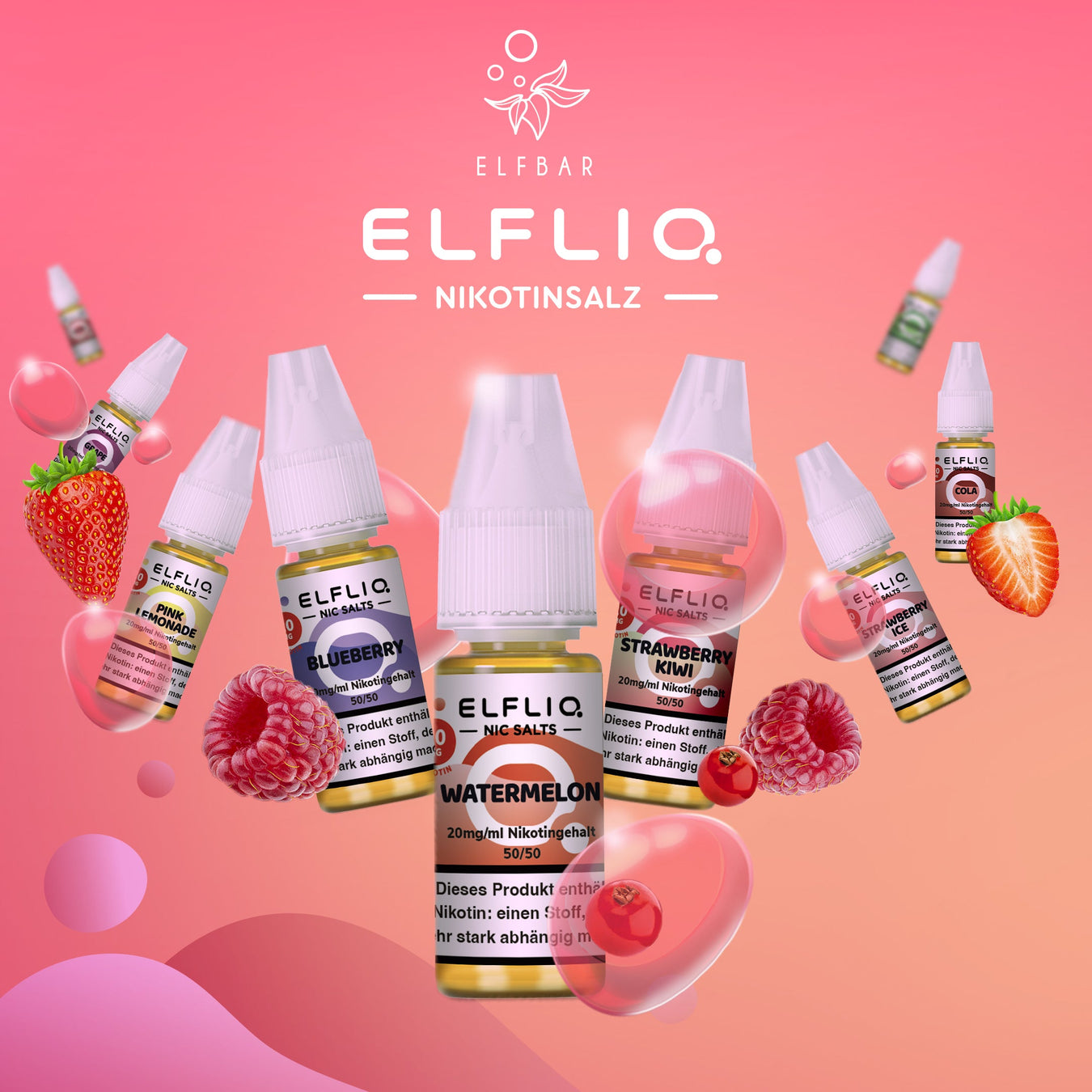
The unit "mg/ml" refers to milligrams of nicotine per milliliter of e-liquid. A standard disposable device like the
Pay attention to warning signs in case you accidentally too much nicotine have recorded.
Nicotine salt: Absorption and effect
- Gentler Throat Hit: This allows for the inhalation of higher concentrations without causing a severe scratchy throat.
- Faster recording: Pharmacokinetic studies suggest that nicotine salts can be absorbed by the body more efficiently and quickly than free nicotine, thus approximating the effect of a tobacco cigarette (see [reference]). Gajewicz et al., 2019This can help those switching from other drugs to curb their initial cravings more quickly.
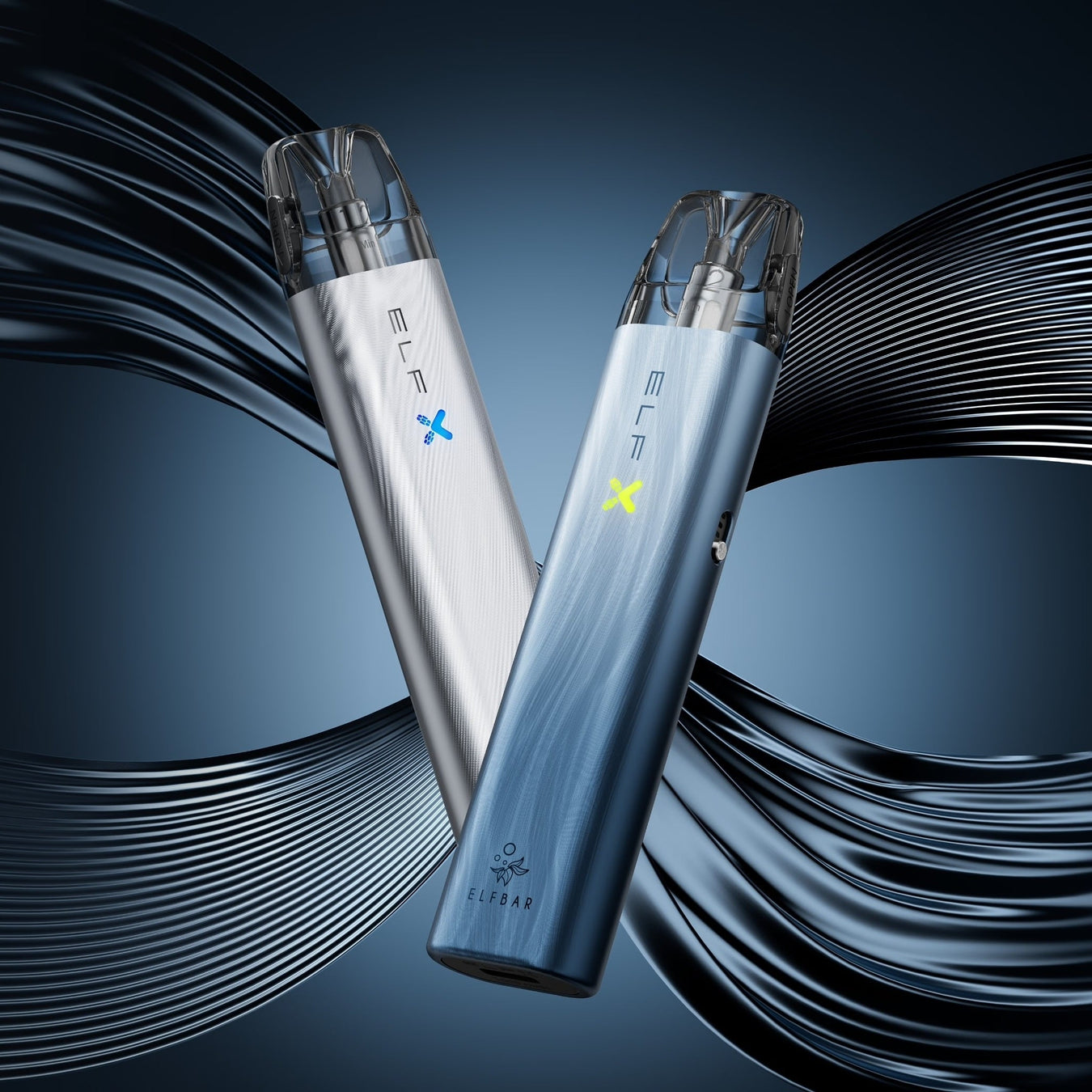
An elegant, modern e-cigarette of the type
Legal framework in Germany
In the EU and Germany, the maximum nicotine concentration is regulated by the Tobacco Products Act (TabakerzG) on 20 mg/ml limited. This upper limit is based on the EU Tobacco Products Directive (TPD2) and serves to protect health. Products that exceed this limit are not marketable in Germany and often pose additional risks due to a lack of quality controls on the grey market.
The right strength for your needs: A guide
The following table serves as a guide. Please note that individual saturation depends on the depth and duration of your
| smoker type | Previous cigarette smoking | Recommended strength | strategy & Alternatives |
|---|---|---|---|
| heavy smoker | 20+ cigarettes/day | 20 mg/ml | Focus on meeting the high nicotine demand to avoid relapses into tobacco cigarettes. |
| Moderate smoker | 10-20 cigarettes/day | 10 mg/ml to 20 mg/ml | Many users starting at 20 mg/ml and reduce to 10 mg/ml if necessary (available) z.B. at |
| Light smoker | Up to 10 cigarettes/day | 0 mg/ml to 10 mg/ml | A lower dose may be sufficient here. Often, the |
| Nicotine-free goal | Switchers/Weaning | 0 mg/ml | Ideal for maintaining the psychological habit (hand-to-mouth) without the addictive substance nicotine. |
Factors influencing perceived intensity
The milligram amount is only one part of the equation. The hardware used massively influences how much nicotine is actually vaporized.
Mesh coil technology
Modern devices often use Mesh coils. The mesh structure increases the heating surface area. This results in more efficient vaporization of the e-liquid, leading to denser vapor. A device with a mesh coil can be perceived as "stronger" than an older model with a wire coil at the same nicotine strength, as more active ingredient is released with each puff.
Individual bioavailability
It is a common misconception that 100% of the nicotine contained in e-liquid reaches the bloodstream. Based on general observations regarding bioavailability in e-cigarettes (see reports from the BfROnly a portion of the nicotine is absorbed systemically. The exact rate varies depending on the device type and user behavior (puff duration), but is often significantly lower than the total amount in the tank.
Practical tip: The 3-
puffs -Heuristic To assess a new device or strength: Take three normalpuffs and wait approximately 10 minutes. Since the effects of nicotine are delayed, this break helps to avoid an overdose (mild dizziness) and to better assess the feeling of satiety.
Ways to reduce nicotine
For users who want to gradually reduce their nicotine consumption, there are two options:
- Behavior-based reduction: Maintain the 20 mg/ml strength, but consciously reduce the frequency of use throughout the day.
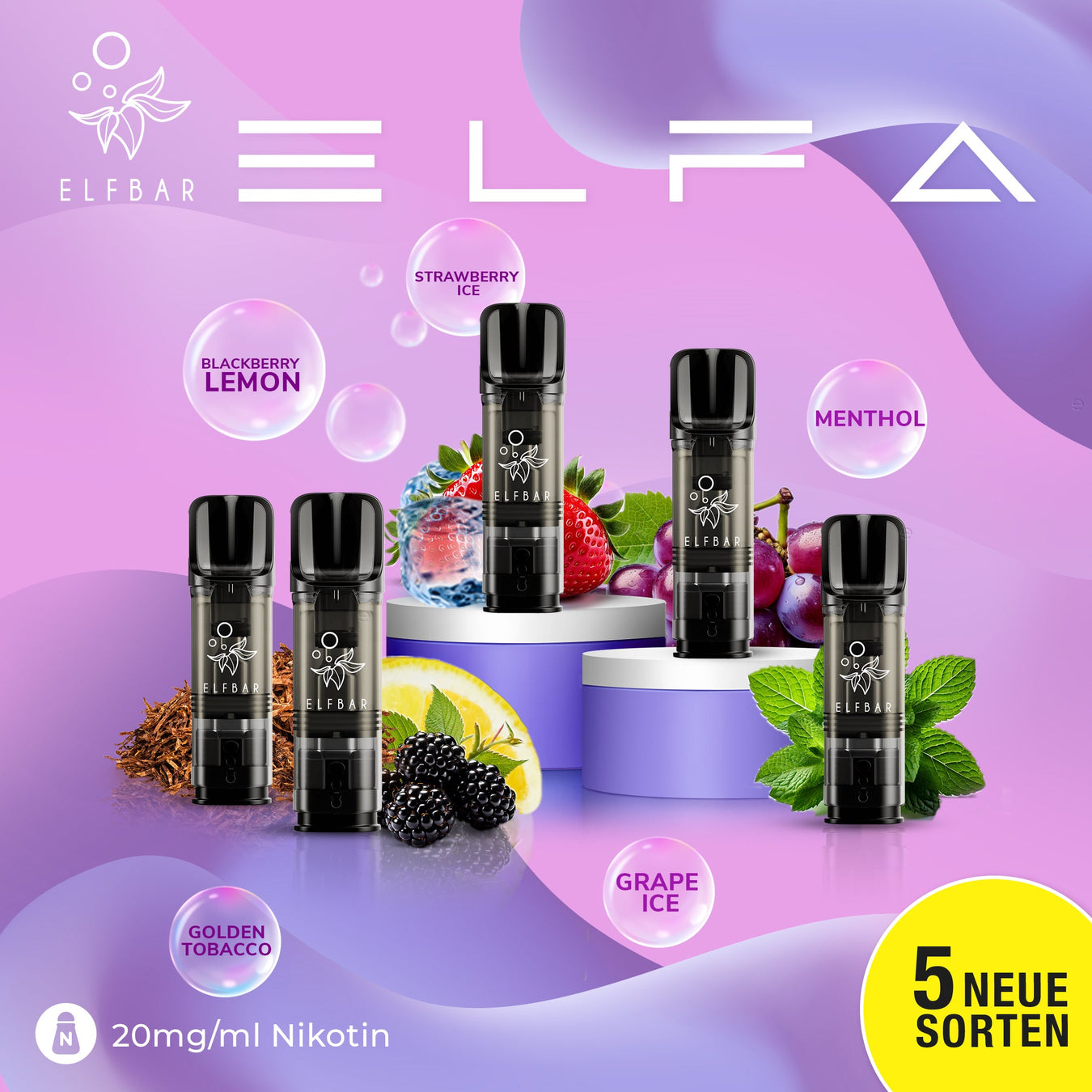
- Product-based reduction: Switching from disposable vapes (often only 20 mg or 0 mg) to refillable pod systems or prefilled systems like the
ELFBAR ELFA . Here, users can switch more flexibly between 20 mg, 10 mg and nicotine-free variants, allowing for a smoother transition.
A product image of the
Common mistakes when making a selection
- Switching to 0 mg too quickly: Abruptly stopping nicotine in heavy ex-smokers often leads to withdrawal symptoms and a return to tobacco cigarettes. A gradual approach is usually more sustainable.
- Underestimation of efficiency: Modern vapes often deliver nicotine more efficiently than older e-cigarette models. Those who previously used "strong" e-liquids in older devices should start cautiously with mesh coil systems.
Summary
The choice of nicotine strength should primarily be based on your previous smoking habits and your long-term goals.While 20 mg/ml is often necessary for the initial switch, modern systems offer enough flexibility to reduce the dose over time.
Frequently Asked Questions (FAQ)
How much nicotine does a
Is 20 mg/ml too much for beginners? This dose is definitely too high and not recommended for non-smokers. For heavy smokers, it is often the necessary threshold to successfully switch.
There is
Important NOTE: Nicotine is a highly addictive substance. The content of this article is intended for general information and guidance for adult smokers and vapers. It does not replace medical advice. For health problems or questions about quitting, please consult a qualified physician.
References
- Federal Institute for Risk Assessment (BfR): Health assessment of e-cigarettes
- Federal Ministry of Food and Agriculture: Tobacco Products Act (TabakerzG)
- EUR-Lex: Directive 2014/40/EU (TPD2)
- Gajewicz et al. (2019): Nicotine delivery and pharmacokinetics of e-cigarettes. (General reference on the absorption of nicotine salts.)