Safety features of disposable e-cigarettes: An overview
Modern disposable vapes are far more than simple devices for delivering nicotine; they are sophisticated products equipped with a range of integrated safety mechanisms. These safety features, from puff time limits to short-circuit protection, are crucial for a safe and reliable vaping experience. This article highlights the essential safety aspects that must be implemented by manufacturers and observed by users.
Legal framework: The first line of defense
Before a product can even be launched on the market, it must meet strict legal requirements. These regulations form the foundation for consumer safety in Germany and throughout the EU.
TPD2 and the German Tobacco Products Act
The most important regulation is the EU Tobacco Products Directive 2 (TPD2), which is transposed into German law by the Tobacco Products Act (TabakerzG) These regulations have been implemented. They set clear limits to minimize risks:
- Nicotine limit: The nicotine concentration in e-liquids is limited to a maximum of 20 mg/ml. This prevents the accidental ingestion of extremely high doses.
- Filling volume: Disposable e-cigarettes must not contain more than 2 ml Liquid contain.
- Warning notices: Packaging must carry clearly visible health warnings.
These measures ensure that all products legally sold in Germany meet a uniform safety standard.
The meaning of the tobacco tax stamp
Another crucial security feature is the German tobacco tax stamp. Like the German customs As explained, this seal is not only proof that the tax has been paid, but also a clear indication of a legal and tested product. Devices without a tax stamp are often counterfeit or illegally imported goods that have not undergone any quality or safety checks. Purchasing such products poses significant health and legal risks.
Integrated technical protection mechanisms
In addition to legal requirements, modern Disposable vapes through a range of technical security features that are integrated directly into the hardware. These systems work in the background to protect the user from potential threats.
Besides safety aspects, it's also worth taking a look at Hidden costs of disposable e-cigarettes.
Those seeking variety will find it in Dessert flavors in disposable e-cigarettes an exciting

Battery safety: Protection against overheating and short circuits
The core component of every disposable e-cigarette is a lithium-ion battery. To ensure its safe operation, several protective circuits are integrated:
- Overheating protection: A sensor monitors the battery temperature and shuts down the device if it exceeds a critical value. This prevents thermal damage.
- Short-circuit protection: This circuit immediately interrupts the power supply when a short circuit is detected, for example due to a defect or liquid ingress. This prevents uncontrolled discharges or fires.
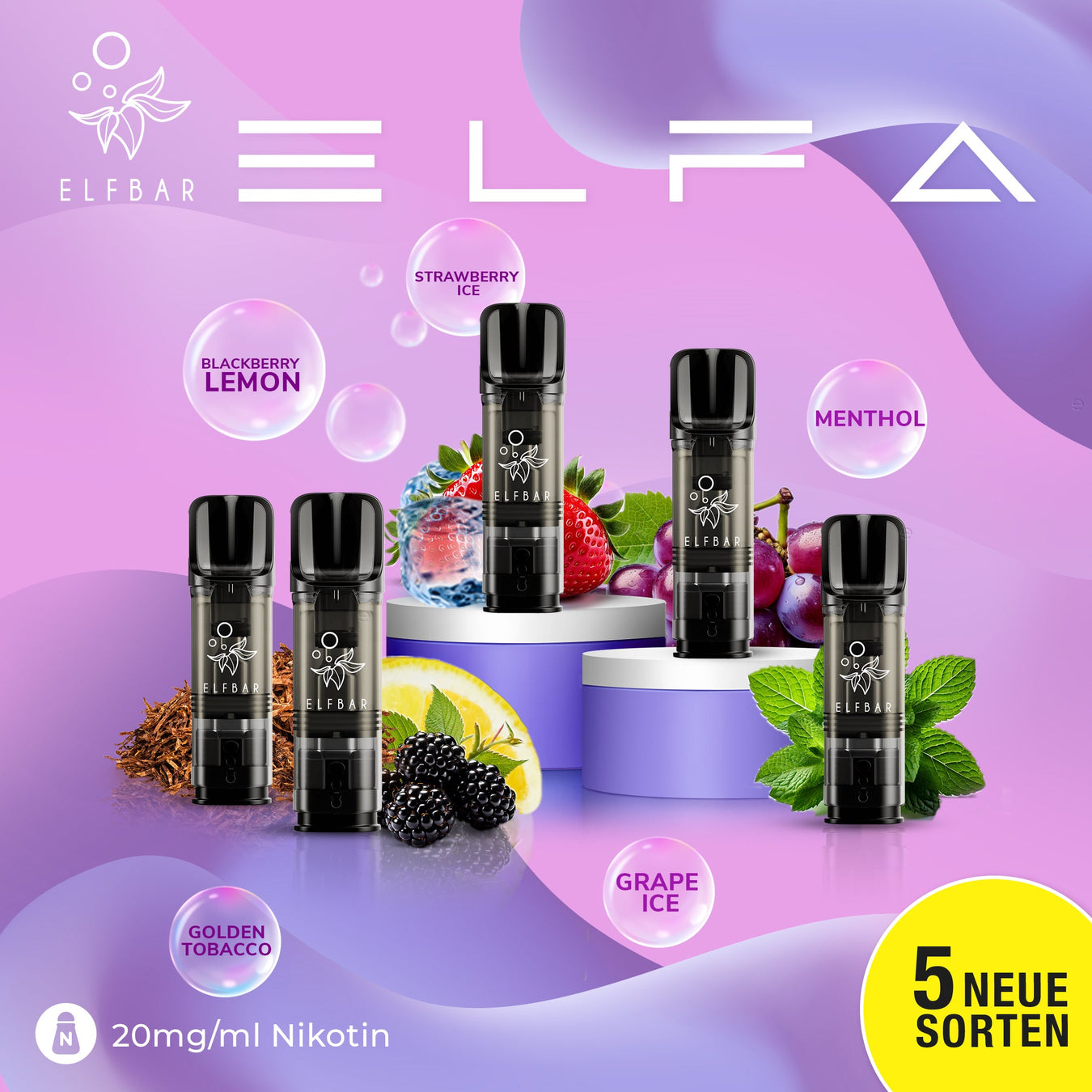
- Overcharge protection (for rechargeable models): Although most disposable devices are not rechargeable, rechargeable systems like the
ELFA via a protection feature that terminates the charging process when full capacity is reached.
From my experience as a technician, I can say that most battery failures are due to improper handling. A device that feels unusually warm during operation (>If a substance swells, leaks, or emits a chemical odor (above 40 °C), it shows signs of cell failure and must be disposed of safely immediately.
Automatic train control and train time limit
Disposable vapes are activated by a vacuum sensor, which reacts to the user's movement. This system has a built-in Train time limit, which automatically interrupts the heating process after a certain time (typically 8-10 seconds). This function serves two purposes:
- Coil protection: It prevents the heating element (coil) from overheating, which would lead to a burned
Flavour would lead to this. - User security: It protects against excessively long
puffs n, which would put unnecessary strain on the device and the battery.
A common mistake I observe among users is so-called "chain vaping" – that is, vaping several very long sessions.
The user's role: Active contributions to security
Technology alone cannot guarantee 100% safety. Conscious and correct use of the product is equally crucial. There are clear indicators of whether a Disposable vape empty or defective is something every user should know.
How to spot counterfeits: A checklist
Unfortunately, the market is flooded with counterfeit products, often made of inferior materials and lacking any safety testing. Here's a handy checklist to help you distinguish genuine products from fakes:
| feature | Original product (Genuine) | Forgery (Fake) |
|---|---|---|
| Packaging | High-quality printing, correct spelling, sealed | Poor print quality, spelling mistakes, missing seal. |
| tax stamp | Present and undamaged | Missing or poorly imitated |
| QR code | Leads to the official verification page (z.B. elfbar.com/verify) | Leads to fake websites or is invalid. |
| Device quality | Consistent weight, clean workmanship, visible liquid window | Too light or too heavy, uneven edges, printing errors |
| Batch/serial number | Clearly legible and consistent | Blurry, missing, or inconsistent |
Pro tip: Trust your gut feeling. If an offer seems too good to be true, it most likely is a scam.
Proper disposal: A contribution to the environment and safety
Disposable e-cigarettes contain lithium-ion batteries and electronic components. Therefore, they must not be used in public. never It should be disposed of with household waste. Improper disposal not only pollutes the environment but also poses a fire hazard in waste compactors and sorting facilities.

According to the German Battery Act (BattG) and the WEEE Directive, compliance with which is enforced by the EAR Foundation Since waste is being monitored, consumers are obligated to separate it for recycling. Here's how to do it correctly:
- Find collection points: Dispose of the empty vapes at municipal recycling centers, electronics stores, or supermarkets with appropriate collection boxes.
- Collect separately: Keep used devices safe and out of reach of children and pets until you dispose of them.
- Do not burn: Under no circumstances should you throw the devices into the fire.
Myth debunked: "Disposable vapes are unregulated throwaway products"
A widespread misconception is that Disposable e-cigarettes They are dangerous and uncontrolled products. The reality for devices legally sold in Germany is different. As explained above, they are subject to strict EU and federal laws that regulate ingredients, nicotine strength, and packaging. Every legal product undergoes conformity testing.
The problem isn't the regulated products, but the growing black market. Data from Association of E-Cigarette Retailers (VdeH) This shows that illegal products pose a significant problem. These unregistered and untested devices are the ones that carry the greatest risks. Anyone who wants to be on the safe side should therefore only buy from verified, official retailers.
Key findings
The safety of disposable e-cigarettes is based on a combination of strict regulation, integrated technology, and responsible user behavior. In summary:
- Laws create the basis: Regulations such as the Tobacco Products Act define basic safety standards.
- Technology actively protects: Features such as overheating protection and train time limitation minimize technical risks during operation.
- The user is responsible: Correct use, the ability to detect counterfeits, and proper disposal are essential for a completely safe experience.
By choosing tested original products from authorized dealers and following the basic usage rules, you ensure that you can enjoy the benefits of modern vaping technology safely and reliably.
Disclaimer: This article is for informational purposes only and does not constitute medical advice. E-cigarettes are intended for adult smokers as an alternative to traditional cigarettes. They are not suitable for non-smokers, minors, pregnant or breastfeeding women, or individuals with pre-existing cardiovascular conditions. If you have any health concerns, please consult a doctor.
References
- Federal Ministry of Food and Agriculture (BMEL) - Tobacco Products Act (TabakerzG)
- Zoll.de - Information on tobacco tax
- Federal Ministry for the Environment, Nature Conservation, Nuclear Safety and Consumer Protection (BMUV) - Battery Act (BattG)
- Foundation for the Register of Waste Electrical and Electronic Equipment (EAR Foundation)
- Association of E-Cigarette Retailers e.V. (VdeH) - Market data
Elfbar Global - Product Verification