Waste avoidance: The ecological footprint of pod systems

One of the most pressing questions facing responsible e-cigarette users today concerns their ecological footprint. With the growing popularity of vaping, the debate about the resulting waste is also coming to the fore. Disposable devices, in particular, are criticized for their throwaway nature. But how do modern pod systems compare, and what options do you, as a user, have to actively improve your environmental impact?
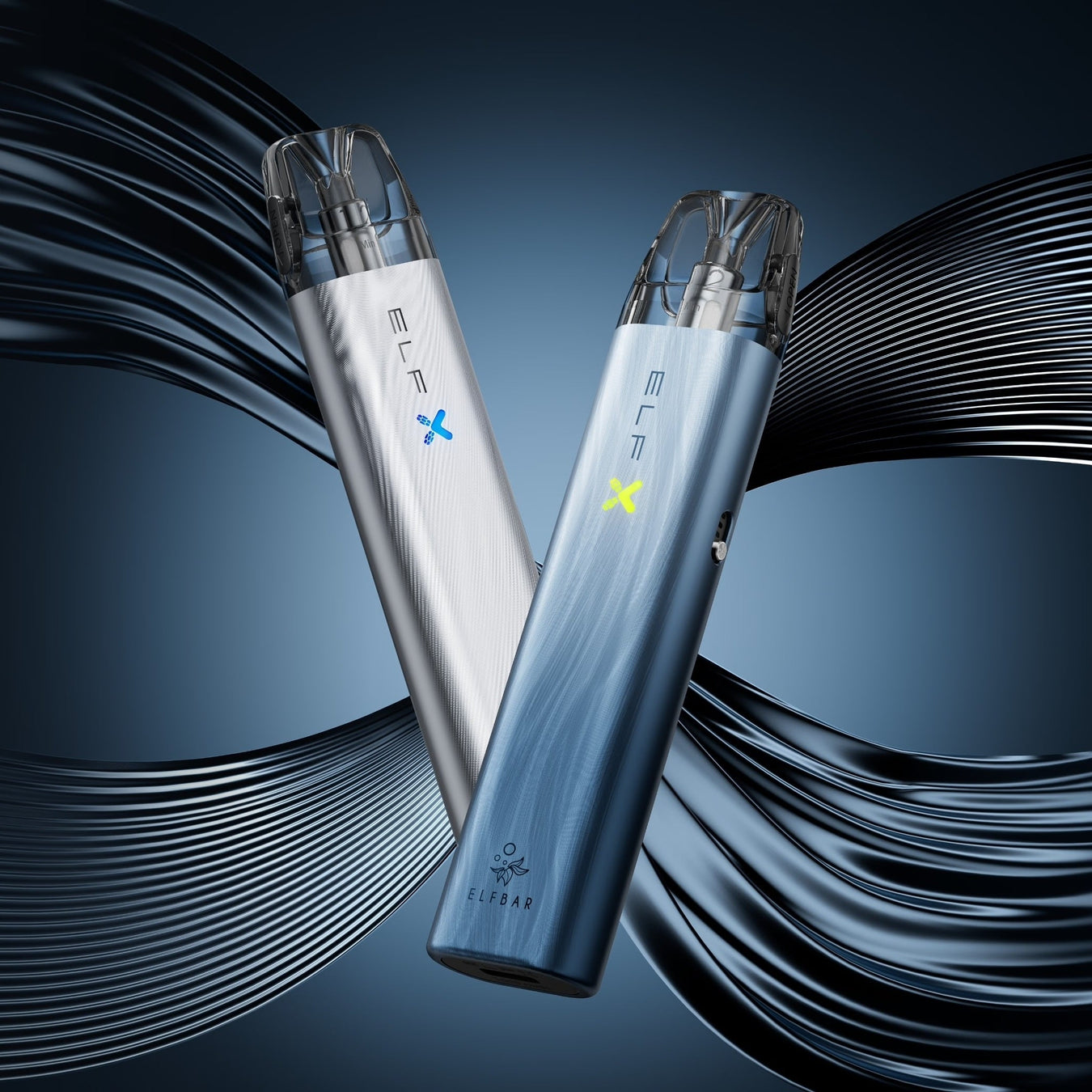
This article provides an in-depth analysis of material cycles and shows how the transition to rechargeable systems such as the
The anatomy of waste: What's inside an e-cigarette?
To understand the environmental impact, we must first consider the components of a typical e-cigarette. Regardless of whether it is a disposable or rechargeable system, similar materials are always found at its core, the disposal of which poses a challenge.
Key components and their ecological relevance:
- Lithium-ion battery: This is the most resource-intensive component. Extracting lithium and cobalt is energy-intensive and has significant environmental impacts. Furthermore, improperly disposed of batteries can release pollutants and pose a fire hazard.
- Housing: Mostly made of plastics such as polycarbonate or metals such as aluminum. While these materials are in principle recyclable, their small size and strong bond with the electronics complicate the process.
- Pod or tank: It is usually made of durable plastic. In disposable systems, this part, along with any remaining liquid, is discarded. In pod systems, this is the primary consumable component.
- Heating element (coil): A small coil of metal wire (often Kanthal or stainless steel) with a cotton wick. With permanently installed coils, the entire pod is disposed of. if the
Flavour decreases. - Electronics: A small circuit board controls the operation of the device. It contains small amounts of valuable metals, but also potentially harmful substances such as lead.
The German Battery Act (BattG) It clearly states that used batteries and rechargeable batteries must not be disposed of in household waste. They must be returned to special collection points or to retailers. This is a particular challenge with disposable vapes, where the battery is permanently installed. You can learn more about the composition of these devices in our article about... Material safety and the components of a vape.
When choosing a system, also pay attention to a Leak-proof sealing technology, to avoid contamination.

Disposable vs. Rechargeable: A Direct Environmental Comparison
The crucial difference in the environmental impact lies not in the materials themselves, but in their lifespan. This is where the clear superiority of rechargeable systems becomes apparent.
The single-use dilemma: Maximum waste per use
At a Disposable device The most resource-intensive component – the battery – is only used once.An average user who consumes one disposable device per week disposes of 52 lithium-ion batteries and 52 complete casings per year. This leads to an enormous amount of waste and a squandering of valuable raw materials for a very short lifespan. Proper disposal is also cumbersome, as our Guide to the disposal of disposable vapes describes in detail.
The advantage of rechargeable systems: The battery remains
The greatest ecological benefit of Pod systems This results from reusing the battery carrier. A battery in a device like the
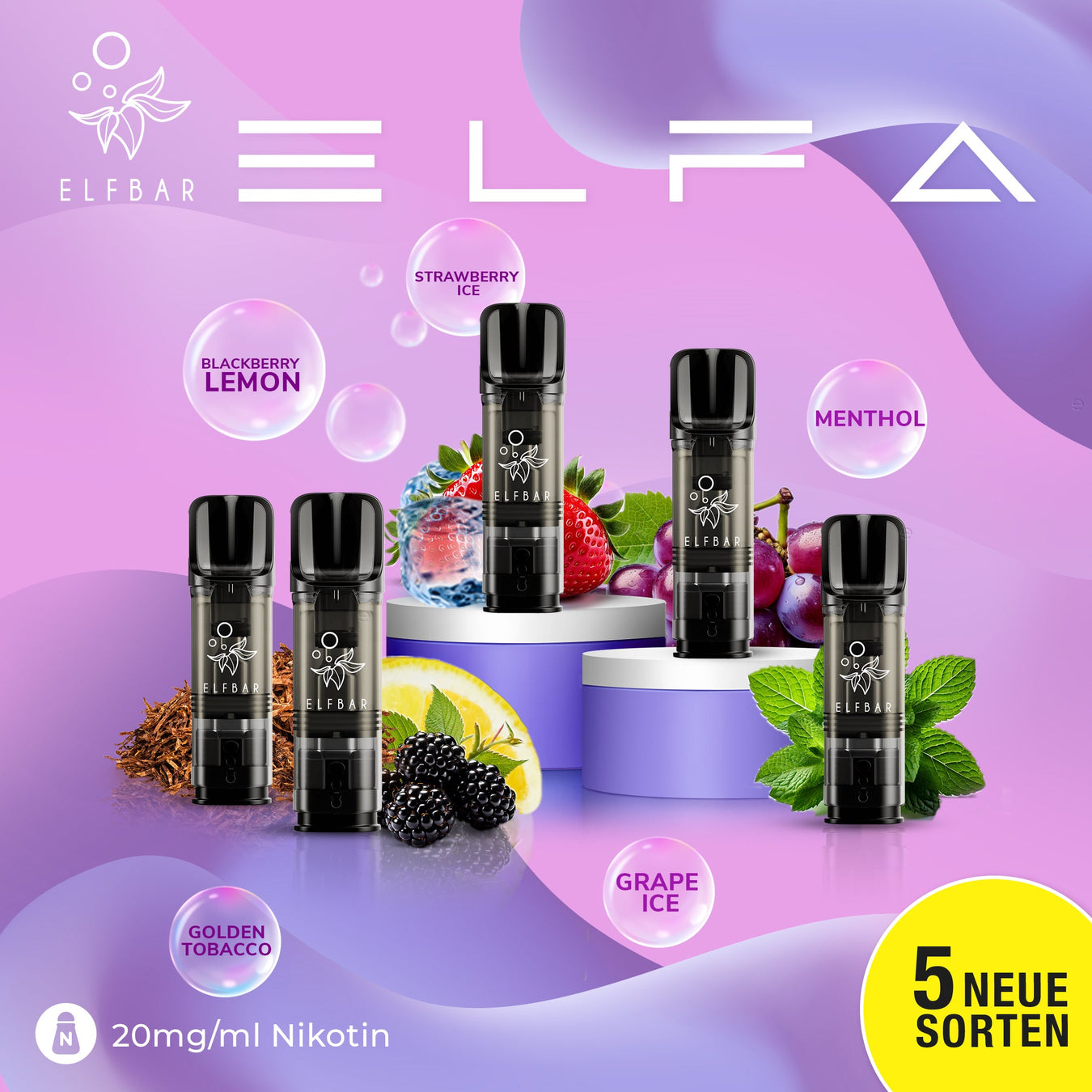
The modern [technology/technology] often provides a particularly intense aroma. Nicotine salt technology inside the pods.
The next level: Refillable pods for maximum sustainability
Systems with refillable pods, like the [system name], go a step further.
Comparison table: Ecological footprint
| criterion | Disposable vape | Pod system (pre-filled pods) | Pod system (refillable pods) |
|---|---|---|---|
| Battery usage | Unique | Hundreds of charging cycles | Hundreds of charging cycles |
| Waste per 10 ml of liquid | 5 complete devices (batteries, housing) | 1 battery carrier, 5 pods | 1 battery carrier, approx. 1 pod |
| Resource efficiency | Very low | Good | Very high |
| Long-term costs | High | Medium | Small amount |
The decision to opt for a refillable system is therefore not only ecologically but also economically sensible, as our Cost comparison between pods and disposable vapes shows.

Law and responsibility: The framework for recycling in Germany
In Germany, there are clear legal regulations that hold manufacturers accountable and pave the way for consumers to dispose of their products correctly. Knowing these regulations strengthens trust in compliant brands.
The WEEE Directive (Waste Electrical and Electronic Equipment) The EU directive forms the basis. In Germany, it is implemented through the Electrical and Electronic Equipment Act (ElektroG). Every manufacturer selling e-cigarettes in Germany must register with the EU. EAR Foundation Register your products. This registration (recognizable by the WEEE number) ensures that the manufacturer is responsible for financing the recycling of their products. Brands that can demonstrate this registration are part of an official and responsible disposal system.
In addition, the aforementioned Battery Act (BattG) Battery take-back. Retailers who sell e-cigarettes are obligated to take back old devices and batteries free of charge and ensure they are properly recycled. This relieves the burden on consumers and ensures that valuable raw materials can be recovered.
Practical tips for avoiding waste in everyday life
Sustainability is more than just recycling. With the right habits, you can maximize the lifespan of your device and proactively avoid waste.
1. Make a conscious system choice The biggest lever is choosing a rechargeable system. Models like the
2. Maximize the lifespan of your battery carrier A common mistake is disposing of the entire device when only the pod is empty. A battery carrier is a durable electronic product. Take care of it to achieve maximum lifespan:
- Regular cleaning: Occasionally wipe the contacts between the pod and battery carrier with a dry cloth to ensure optimal power transfer.
- Correct charging: Use the included cable and a suitable power adapter to conserve battery power.
- Avoid falls: Even robust devices can be damaged by falls. Careful handling pays off.
3. Optimize the use of refillable pods As mentioned previously, a refillable pod is designed for 5-8 refills. Watch for signs of a worn-out coil – a fading sound.
4. Feed the components into the correct circuit. When the end of its service life is reached, proper disposal is crucial. Our Guide to correct disposal It provides detailed instructions. The short version for pod systems:
- Battery carrier: This item is considered electronic waste. Dispose of it at municipal collection points (recycling centers) or directly at the retailer.
- Empty pod (pre-filled or refillable): Once completely empty, it can be disposed of with residual waste.
By taking these simple steps, you actively contribute to closing the material cycle and minimizing environmental impact.
A conscious step forward
Switching from disposable vapes to a rechargeable or even refillable pod system is the most effective step you can take as a vaper to reduce your environmental footprint. It's a decision that not only protects the environment by drastically reducing battery and plastic waste, but also pays off financially.
Sustainability in vaping is a shared responsibility. It starts with manufacturers who develop legally compliant, durable, and recyclable products, and ends with you, the conscious user, who makes all the difference through proper choice, care, and disposal. By choosing quality and reusability, you send a clear message – for a better vaping experience and a healthier planet.
Disclaimer: This article is for informational purposes only. The content does not constitute medical advice and should not be considered a substitute for professional consultation with a qualified physician or other healthcare professional. If you have any health concerns, please consult a doctor.
References
- Federal Ministry for the Environment, Nature Conservation, Nuclear Safety and Consumer Protection (BMUV) - Battery Act (BattG)
- Foundation for the Register of Waste Electrical and Electronic Equipment - EAR Foundation
- Cochrane Library - Electronic cigarettes for smoking cessation