How to store e-liquids correctly: This is how the Flavour stable

The basics: Why proper storage is crucial
Light, heat, and oxygen are the natural enemies of your e-liquid. These three factors trigger chemical reactions that can degrade flavors and compromise the chemical stability of the nicotine. Improper storage often leads to a fruity e-liquid suddenly tasting bland or a tobacco flavor developing an unpleasantly harsh, peppery note.
This guide is based on chemical stability principles and practical observations from everyday vaping. We'll show you how to store your supplies so that the flavors remain largely stable for months.
Transparency note: This article is written by
The science of aroma loss: What happens inside the bottle
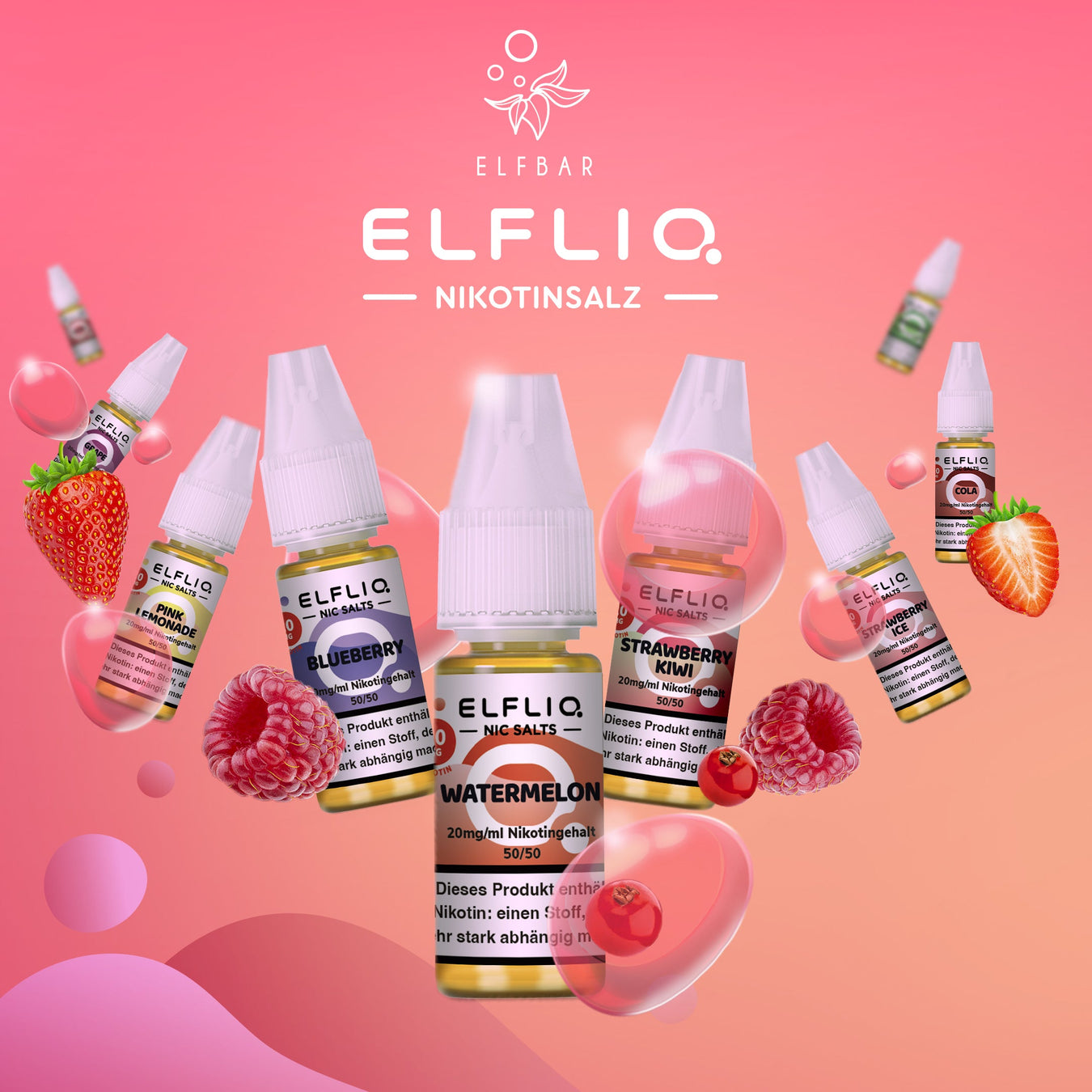
E-liquids consist primarily of propylene glycol (PG), vegetable glycerin (VG), flavorings, and nicotine. Each of these components reacts differently to environmental influences.
1. Oxidation (Oxygen) Every time you open an e-liquid bottle, a gas exchange takes place. Oxygen leads to oxidation, which particularly affects nicotine. Oxidized nicotine turns brownish and can...
2. UV radiation (light). Direct sunlight acts as a catalyst for photochemical reactions. UV rays can break the molecular bonds of complex flavor compounds. Based on general chemical stability studies (as are also common in food chemistry), just a few days of intense irradiation can be enough to cause this.
3. Thermal decomposition (heat) Heat increases the kinetic energy of molecules and accelerates chemical degradation processes. A common rule of thumb in chemistry is the Q10 rule (reaction rate-temperature rule), according to which a temperature increase of 10 °C doubles to quadruples the reaction rate. Therefore, temperatures sustained above 25 °C should be avoided to prevent unnecessarily shortening shelf life.
The optimal storage environment
Creating the right environment requires no laboratory work, but simply adherence to basic physical principles.
Choose the right place. The ideal storage location is cool, dark, and dry. A constant temperature between 15 and 20 °C is generally considered optimal for storing chemical mixtures such as e-liquids.
- Recommended: dark drawers, cupboards in cool interiors or dry basement rooms.
- Avoid: Window sills, places above the radiator, or the glove compartment in the car.
The refrigerator myth. Often the Refrigeration recommended. We advise caution: At low temperatures, the viscosity of the e-liquid increases considerably, and in rare cases, certain flavors may crystallize or VG and PG may separate. If you do decide to refrigerate e-liquids, be sure to allow them to slowly reach room temperature before use and shake thoroughly. A cool pantry usually provides a more stable environment.
Security & Disposal
Safety when handling liquids. Always keep your e-liquids tightly closed and out of reach of children and pets. Nicotine is a poison – if accidentally swallowed, call Poison Control Center immediately. Also, make sure your e-liquids are correctly labeled and contain all important information such as ingredients, warnings, and usage instructions.
Disposal of liquid residues. E-liquid residue should never be poured down the drain or disposed of with household waste. Liquid nicotine or flavoring residues are considered hazardous materials and must therefore be disposed of at municipal recycling centers or hazardous waste collection points. This protects the environment and prevents toxic substances from entering the wastewater system.
Empty liquid containers. Once the bottles or pods are completely empty, you can dispose of them normally via the yellow recycling bag/bin. They are considered packaging material – only the contents are problematic, not the packaging itself.
Long-term storage vs. daily use
Storage requirements vary depending on the duration of use.
| feature | Daily use | Long-term storage (6+ months) |
|---|---|---|
| Sun protection | Indirectly (drawer/pocket) | Absolute light blockage |
| temperature | room temperature (< 25 °C) | Cool (15–18 °C) |
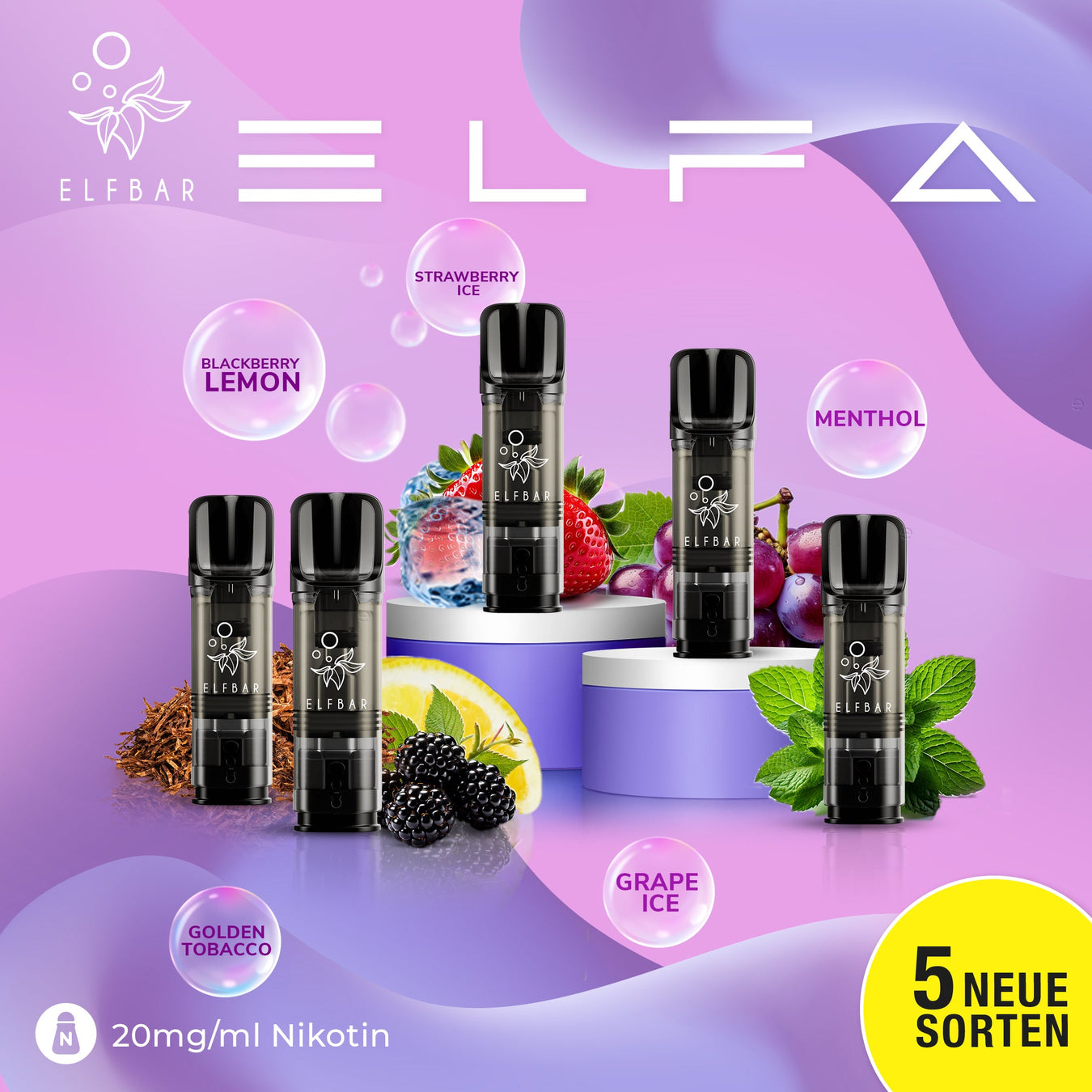
Special feature: Sealed systems. For consumers who value maximum freshness without manual storage, factory-sealed systems like the
Checklist: How can I tell that an e-liquid is no longer good?
Despite optimal storage, e-liquids are subject to a natural aging process. Pay particular attention to these four warning signs:
- Severe discoloration: A slight yellow tint in nicotine-containing e-liquids is normal (oxidation). However, if the e-liquid becomes very dark or cloudy, this indicates advanced degradation of the ingredients.
- Change in odor: A pungent, chemical, or unpleasantly peppery smell is an indication that the flavors have "gone off".
-
Flavour loss of sharpness or sharpness: If the original flavor is barely perceptible or the e-liquid feels unusually harsh on the throat, the quality has deteriorated. Nicotine salts are often more stable than free nicotine in this respect, but they too have a limited shelf life. - Consistency: If streaks form or solids precipitate out that cannot be dissolved by shaking, the liquid should be disposed of.
Compliance with quality standards is supported by analyses from independent laboratories that test the purity of the ingredients. Proper storage ensures that this tested quality is maintained for as long as possible.
Conclusion: Protection from the "three enemies"
The shelf life of your e-liquids can be significantly extended through simple measures.Protect your supplies consistently from light, heat, and oxygen. A cool, dark cupboard is the best solution for most users. Those seeking maximum freshness with minimal effort will find it in sealed containers. Pod systems a reliable alternative to traditional bottle storage.
Disclaimer: This article is for general information purposes only and is based on practical experience and basic chemical principles. It does not replace medical advice. Nicotine-containing products are intended for adult smokers and must be kept out of the reach of children. In case of suspected poisoning, contact a doctor or poison control center immediately.