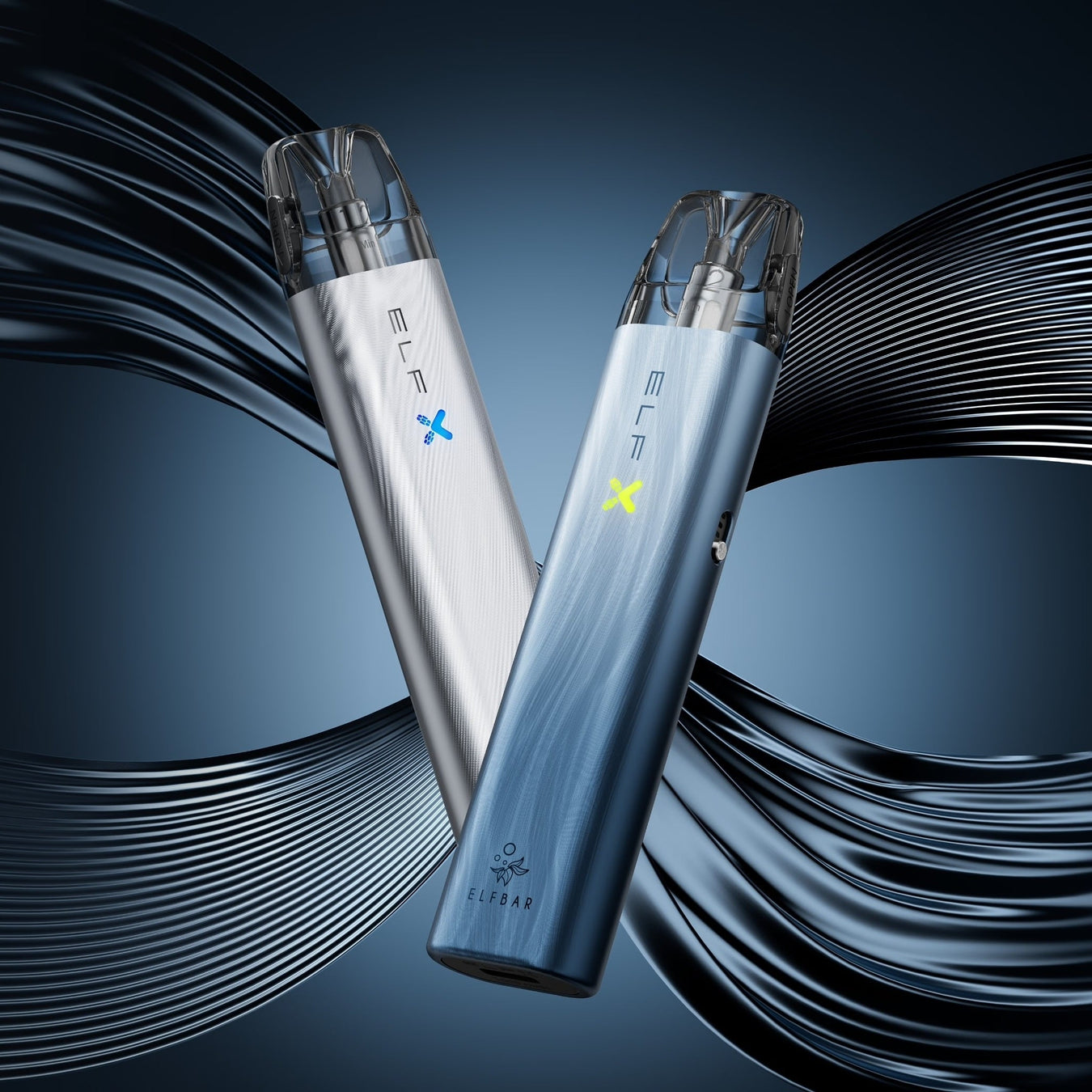
Vaping in a rented apartment: What does tenancy law say?
Vaping in a rented apartment: What does tenancy law say?
More and more landlords are addressing the issue of e-cigarettes in their rental agreements. For many tenants, however, it remains unclear: Am I allowed to vape in my apartment – and if so, under what conditions? This guide compiles legal principles, current case law, and practical tips to help you avoid conflicts with landlords and neighbors and strengthen your position in the event of a dispute.
Important: This article does not replace individual legal advice. It helps you to better assess typical situations and to prepare for conversations with landlords or legal representatives.
1. Legal framework: Where does vaping stand in tenancy law?
1.1 E-cigarettes are not traditional cigarettes – but are treated similarly under the law.
German tenancy law recognizes the term “E-cigarette“Not explicitly. However, in many court decisions, vaping is placed close to tobacco smoking because it also involves tobacco smoking.” Aerosols are produced, which They can spread throughout the apartment and the stairwell.
The underlying principle is the general tenancy law: as a tenant, you are entitled to use the apartment "in accordance with the contract." According to established case law, this generally includes smoking – as long as other tenants are not unreasonably disturbed. Courts are increasingly applying this logic to vaping as well.
One crucial detail: According to EU Tobacco Products Directive 2014/40/EU, refillable e-cigarettes are subject to a maximum volume of 2 ml per cartridge and a maximum nicotine concentration of 20 mg/ml in the e-liquid. These regulations are implemented in the German Tobacco Products Act, which is enshrined in law. BMEL portal on the Tobacco Products Act This has been published. While this is not a direct legal provision for tenants, it shows that legally traded products follow a strict framework – an important point when landlords use blanket "danger arguments".
Also, find out about the actual Risks of passive steam for your fellow human beings.
1.2 No blanket legal bans on vaping in the home
Neither the German Civil Code (BGB) nor tobacco product law contains a general prohibition on vaping in one's own rented apartment. Therefore, the following factors are crucial:
- Your rental agreement (including house rules)
- the duty of consideration opposite neighbors
- specific impairments (Odor, pollution, damage)
As long as there is no explicit clause prohibiting vaping and no unreasonable nuisance is proven, vaping in apartments is permitted in most cases. Landlords cannot unilaterally prohibit this use; they require a contractual basis.
1.3 Difference: Private apartment vs. public space
Vaping in your own home is governed by your private tenancy agreement, not by smoking bans in public places. Restaurants, train stations, and workplaces are often subject to state-level smoking bans or company regulations. A separate overview of these rules is available. Guide to vaping in public spaces; For the workplace, it's also worth taking a look at the article. "Vaping at the workplace: Rights and obligations for vapers".
You can find more information in our article on Etiquette for vapers: distance and consideration.
2. Review the rental agreement: What landlords are allowed to stipulate – and what they are not.
Many conflicts arise because tenants overlook contract clauses or landlords overestimate their powers.A systematic review of your rental agreement is therefore the first step.
2.1 Typical clause types relating to smoking and vaping
In practice, three main types of clauses are encountered:
| Clause type | Contents | Typical legal situation |
|---|---|---|
| General smoking permit | Smoking is neither mentioned nor explicitly stated as permissible. | Vaping is generally considered to be covered by permitted use, as long as it does not cause an unreasonable nuisance. |
| Smoking only on the balcony/outside | Smoking is prohibited indoors, permitted on the balcony | Effectiveness depends on the individual |
| General smoking ban | Smoking is prohibited throughout the entire apartment. | Courts sometimes consider such prohibitions to be an unreasonable disadvantage, especially in standard form lease agreements; this may be different in individually negotiated agreements. |
Whether vaping falls under a "smoking ban" is a matter of interpretation. In case of dispute, courts ask: Did the contracting parties really intend to prohibit all forms of aerosol formation (including e-cigarettes), or were they primarily targeting tobacco smoke?
2.2 Is vaping explicitly allowed or prohibited?
More and more new rental agreements explicitly mention e-cigarettes. The following applies:
- Clearly formulated prohibition ("Vaping e-cigarettes indoors is prohibited"):
- Such clauses can be effective in individually negotiated contracts.
- In standard form lease agreements, an absolute prohibition may be inappropriate if it disproportionately restricts the usual residential use.
- Explicit permission ("Smoking and vaping are permitted in the apartment"):
- Significantly strengthens your position.
- Landlords cannot simply claim "odor nuisance" later on, as long as no extraordinary damage occurs.
A common mistake in practice: tenants rely on a verbal agreement ("Vaping is no problem"). In case of a dispute, you will hardly be able to prove this promise. Therefore, always honor agreements. in writing via email Secure it and keep it with the rental agreement.
2.3 Limits of freedom of contract: What landlords cannot simply regulate
Even though many things can be contractually agreed upon, there are limits:
- Inadmissible terms and conditions clauses: Clauses in standard form rental agreements that unfairly disadvantage tenants are invalid (z.B. comprehensive bans on use without objective justification).
- No retroactive ban: Rights that have already been agreed upon cannot be unilaterally revoked (z.B. In the middle of an ongoing tenancy, a notice was sent to the building stating "Vaping is prohibited with immediate effect".
- No blanket claims for damages: Landlords cannot automatically withhold part of the security deposit simply because vaping has occurred in the apartment. They must prove specific damages.
The last point in particular is often misunderstood. According to tenants' associations, landlords sometimes demand flat-rate "nicotine cleaning fees"—even though e-cigarettes don't involve combustion and therefore produce fewer traditional nicotine deposits. Without proof of specific contamination or discoloration, such demands are often unfounded.
3.Typical conflicts and how to avoid them
3.1 Neighbor complaints: Odor and visibility of the steam
Most problems arise not with the landlord, but with neighbors. Sweet or fruity aromas, in particular, are perceived more quickly by sensitive individuals. A practical observation: In older buildings with thin walls, just a few minutes of intensive vaping in the living room is often enough for neighbors in the hallway to notice a sweetish smell.
This only becomes legally relevant when a significant and recurring impairment The landlord or neighbors must then prove that this is the case.
- how often
- how long and
- with what intensity
They were disturbed. A single odor in the stairwell generally does not justify either a warning or termination of the lease.
3.2 Myth: "One vape – deposit gone"
A common misconception is: "If the landlord finds out that I vape, he will automatically keep the deposit."
In fact, landlords must specific damages or additional costs to provide proof in order to access the deposit. This includes, for example:
- noticeably discolored walls or ceilings,
- Persistent odor residue despite normal ventilation,
- damaged floor coverings or fixtures.
A single
3.3 Proving your case: How to secure your position
If a dispute does arise, the evidence often decides the case. A systematic approach is advisable:
- Document communication: Save all emails with landlord/property management; for phone calls, immediately afterwards create a short summary email.
- Record your own use: In case of conflicts, make a rough note for a few weeks of when and where you vape in the apartment (z.B. “daily from 7 to 8 pm at the window in the living room”).
- Document ventilation behavior: If you are repeatedly accused of excessive odors, take photos of open windows and fans.
- Include witnesses: Have roommates or visitors briefly confirm that they do not perceive any persistent, disturbing odors in the apartment.
These documents become particularly important when landlords threaten eviction or deduction of the security deposit. Courts pay close attention to whether there was demonstrable, repeated disturbance or whether only vague allegations are being made.
4. Practical guide: How to vape “cleanly” from a tenancy law perspective
4.1 Strategies for minimizing odors and steam
From a technical standpoint, modern e-cigarettes primarily produce fine aerosols based on propylene glycol (PG) and vegetable glycerin (VG). These particles dissipate significantly faster than tobacco smoke, but can still condense and leave behind odors with intensive use.
The following measures have proven effective in preventing complaints:
- Shock ventilation instead of tilt ventilation: Open the window fully for 5-10 minutes after a steam session. These short, intensive ventilation phases ensure rapid air exchange.
- Cross-ventilation where possible: Experience shows that people with two opposing windows achieve a 50–70% faster reduction in odors than those with only one tilted window.
- Use fans: A small window or standing fan blowing towards the window transports aerosols directly outside.
- Avoid extremely strong-smelling liquids in poorly ventilated rooms (z.B. especially sweet dessert or fruit mixtures).
Especially in older buildings with thin walls, a combination of shock ventilation and targeted use of well-ventilated rooms is worthwhile (z.B. Kitchen with extractor hood). Those with balconies or terraces should use them primarily.
4.2 Device selection: Less emission is often more
Large, open vaporizers with high wattage produce significantly more vapor and therefore visible clouds. In a rented apartment, this quickly leads to noticeable odor spikes and visibility in the stairwell or outside windows.
For tenants in sensitive environments (apartment building, elderly neighbors, kindergarten in the courtyard), compact pod or DisposableDevices are a sensible option. A typical example is disposable e-cigarettes with an integrated mesh coil, which are operated at moderate power and therefore, while
Those who can abstain from nicotine can further reduce the risk of strong odor residue by using nicotine-free versions. A device like the
4.3 Planning usage zones in the apartment effectively
One proven approach is to divide the apartment into "steam zones":
- Primary steam zone: Well-ventilated room with a window (z.B. Living room or kitchen). This is where most vaping sessions take place.
- Taboo zones: Bedrooms, children's rooms and rooms with sensitive textiles (z.B. Dressing room). It's best to completely refrain from vaping here.
- Balcony/Terrace: A preferred location for sensitive neighbors – but be considerate of apartments above so that the steam doesn't drift directly into their windows.
This zoning is not only considerate, but also facilitates argumentation in case of dispute: You can plausibly explain that you have consciously organized your use in order to affect others as little as possible.
4.4 Case study: Conflict in old building vs. new building
Scenario 1 – Old building, poor sound insulation, close proximity
A tenant vapes sweet dessert e-liquids in her living room in the evenings. Neighbors complain about a "pervasive cake smell" in the stairwell. The property management company issues her a warning.
- Adjustments: Switch to moderately flavored liquids, use a smaller pod system, and ventilate immediately after each session.
- Result: After about 2-3 weeks, the complaints measurably decrease; the warning remains without consequence because no further evidence of unreasonable harassment is presented.
Scenario 2 – New building with good insulation, balcony present
A tenant uses a disposable, fruit-flavored e-cigarette primarily on the balcony in the evenings, and briefly at the open living room window. There are no complaints; the landlord only learns about the vaping when the apartment is handed over.
- Findings: Walls and ceilings are not discolored; odor remains neutral after normal ventilation.
- Result: Handover without complaints, the deposit will be fully refunded. Vaping was clearly considered "contractual use" of the rented property.
5. Communication with landlords and neighbors: Strategies to defuse conflicts
5.1 Proactive openness instead of silence
Many conflicts escalate because tenants only react after several complaints have already been received. Experience shows that seeking dialogue early on has a de-escalating effect – especially in buildings with a strict sense of community.
Practical approach:
- Get informed early: If you know that the landlord is sensitive about smoking, proactively bring up vaping and explain the differences (no combustion, less odor, controlled use).
- Offer rules: Suggest specific usage rules, z.B. "only in the living room by the window", "no use after 10 pm in the stairwell area".
- Agree on a trial period: A written agreement about z.B. Four weeks are spent testing for any adverse effects. If everything remains normal, vaping is considered acceptable.
Be sure to put such agreements in writing – by email or a short addendum to the rental agreement.
5.2 Handling specific complaints
If you receive a complaint (oral or written), the following procedure is recommended:
- Stay calm and don't react defensively.
- Document the complaint thoroughly (Date, time, who complained about what?).
- Reflect on your own behavior: Was the criticism on that day perhaps justified (long session without ventilation, very intense aroma)?
- Offer concrete measures: z.B. Switching to less intense liquids, using other rooms, purchasing an air purifier.
- Follow up after a few weeks, whether the situation has improved from the perspective of the neighbor or landlord.
This structured approach demonstrates a willingness to cooperate. In disputes, courts do take into account whether tenants have demonstrably responded to complaints or not.
5.3 If landlords want to prohibit vaping
If the landlord suddenly demands that you completely stop vaping, even though there is no clear prohibition clause in the contract, your response should contain two elements:
- Factual classification: Reference to the contractual situation ("The lease only mentions 'smoking'/vaping is not mentioned") and the lack of demonstrable disturbances.
- Cooperation offer: Suggestions for further reducing potential disturbances (z.B. (Only on the balcony, no use in the evening hours facing the courtyard).
If you do receive a warning or a threat of eviction, it is advisable to consult a tenants' association or a specialist lawyer. This article can then serve as a checklist to systematically compile all relevant facts (usage, ventilation, communication, complaints).
 \n
\n6. Safety, disposal and ESG aspects
6.1 Fire protection and proper handling in the apartment
Unlike tobacco cigarettes, e-cigarettes do not have an open flame, which reduces the classic fire risk.However, some points should be considered:
- Only charge with suitable chargers and do not continue to use defective batteries.
- Do not leave devices permanently on textiles (Bed, sofa) should be left lying around, especially while charging.
- Do not squeeze or damage disposable devices, because batteries can leak or overheat.
The technical standard ISO 20768 establishes uniform conditions for testing machines for aerosol production and ensures, according to ISO 20768 for reproducible testing of e-cigarettes. For end users, this means: Reputable manufacturers have their products tested under defined conditions, which is an important component of product safety – but does not replace careful everyday use.
6.2 Disposal of e-cigarettes in the rented apartment
Disposable e-cigarettes and pods usually contain batteries. According to the German Battery Act, which governs the BMUV on the Battery Act As explained, retailers must take back old batteries free of charge and consumers are obliged to dispose of them separately from household waste.
For practical purposes in a rented apartment, this means:
- Do not dispose of empty disposable devices loose in the residual waste, but collect them in a small bag and hand them in at retailers or municipal collection points.
- Never leave appliances lying around in the hallway; this can be considered improper disposal and lead to problems with the landlord and property management.
The registration requirement for electrical appliances with the EAR Foundation, whose register is publicly accessible (EAR Register Foundation), shows which brands fulfill their take-back and disposal obligations. Those who pay attention to such documentation when making purchases strengthen their argument for handling single-use products responsibly – even when dealing with critical landlords.
6.3 Health assessment and communication
Many discussions in apartment buildings revolve around perceived or actual health risks. The German Federal Institute for Risk Assessment (BfR) clarifies in its statements on e-cigarettes that, according to current knowledge, the health risk is minimal. significantly below that of tobacco cigarettes, but at the same time not risk-free is (BfR statements on e-cigarettes).
This clarification can be helpful in discussions: it shows that vaping is not harmless, but it also doesn't create a "smoking factory" in the living room. For harmonious living in apartment buildings, it's crucial that all parties distinguish between objective risks and subjective sensitivity to odors.
7. Quick checklist: Legally compliant and considerate vaping in a rented apartment
Before moving in/upon signing the contract
- Check the rental agreement specifically for "smoking" and "vaping".
- Clarify any unclear clauses in writing with the landlord.
- Promises and agreements (z.B. Have it confirmed via email that vaping is allowed in the apartment as long as it is ventilated.
During the tenancy
- Concentrate vaping in well-ventilated rooms and on the balcony.
- Ventilate thoroughly after steam sessions (open windows for 5-10 minutes).
- Use devices with moderate vapor production and not overly intense flavors if possible; z.B. a compact disposable item like the
ELFBAR 800 BlackberryIce (nicotine-free) for situations where low odor is important. - Take complaints seriously, document them, and respond with concrete measures.
Upon departure
- Ventilate the apartment thoroughly and, if necessary, clean any airy textiles (curtains).
- Remove minor signs of wear and tear such as ordinary dirt; in the case of normal wear and tear, compensation is generally not applicable.
- Pack devices securely and dispose of them properly; use collection points for batteries and electrical appliances.
8. Important misconceptions about vaping in rented apartments – briefly explained
Finally, here are the most common misconceptions in a concise form:
-
"Vaping is generally prohibited in rented apartments."
Incorrect. There is no general legal prohibition. The decisive factors are the rental agreement, house rules, and specific disturbances. -
"Once there's an odor in the stairwell – immediate termination is possible."
Incorrect. For a dismissal to be valid, significant and repeated disruptions must be proven. A singleelfa ll is not enough. -
"The landlord is always allowed to withhold part of the security deposit if vaping has been done."
Incorrect. Without concrete damage or exceptional contamination, there is no basis for this. -
"Verbal agreements to vape are just as valuable as written ones."
Practically wrong. In case of a dispute, verifiable agreements count – therefore, always confirm agreements via email.
Conclusion: Relaxed vaping with knowledge, consideration, and documentation
Vaping in a rented apartment is legally a balancing act between the contractual use of the property and consideration for neighbors. There is no general legal prohibition. Crucial factors include the wording of your rental agreement, how considerately you organize your vaping, and how well you document communication and conflict situations.
Those who consciously divide their apartment into steam zones, ventilate regularly, use appliances with moderate steam output, and take complaints seriously create a solid foundation for harmonious coexistence in most buildings. If a dispute does arise, thorough documentation helps to clearly and comprehensibly present one's position to the landlord, tenants' association, or legal representative.
Disclaimer
This article provides general information on vaping in rented apartments and does not replace individual legal advice. Legal assessments always depend on the specific circumstances.
Sources
- BMEL – Tobacco Products Act (TabakerzG)
- EU – Tobacco Products Directive 2014/40/EU
- ISO 20768 – Vapor product — Routine analytical vaping machine — Definitions and standard conditions
- BMUV – Battery Act (BattG)
- EAR Foundation – Manufacturer Register for Electrical and Electronic Equipment
- BfR – Statements on e-cigarettes