Explaining Vaping: A Guide for Friends & Family
Introduction: The invisible wall between vapers and non-vapers
Has your partner, a good friend, or a family member started vaping, and you're skeptical? Perhaps you're worried about their health, annoyed by the vapor clouds, or simply don't understand the trend. This uncertainty is understandable. Often, an invisible barrier arises, built from misunderstandings and incomplete information.
This guide is written especially for you – for your friends, partners, and family members. We don't want to promote vaping, but rather educate. Our goal is to provide you with the facts you need to form an informed opinion and have an open conversation. Share this article to build bridges and increase acceptance in your social circle.
1. What exactly is vaping? A look behind the cloud.
To understand vaping, we must first clear up the biggest misconception: vaping is not smoking. The fundamental difference lies in the process.
Not smoke, but vapor: The fundamental difference
When smoking a conventional cigarette, combustion takes place. Tobacco is burned at several hundred degrees Celsius, producing smoke containing thousands of chemical compounds, including tar and carbon monoxide – two of the most harmful substances.
An e-cigarette, on the other hand, doesn't burn anything. Instead, it heats a liquid, the so-called e-liquid, until it vaporizes. This process is similar to boiling water. The resulting vapor (aerosol) is then inhaled. This means: no tar, no carbon monoxide. This simple but crucial difference is the Core of Harm Reduction, on which the concept of vaping is based.
The anatomy of an e-cigarette
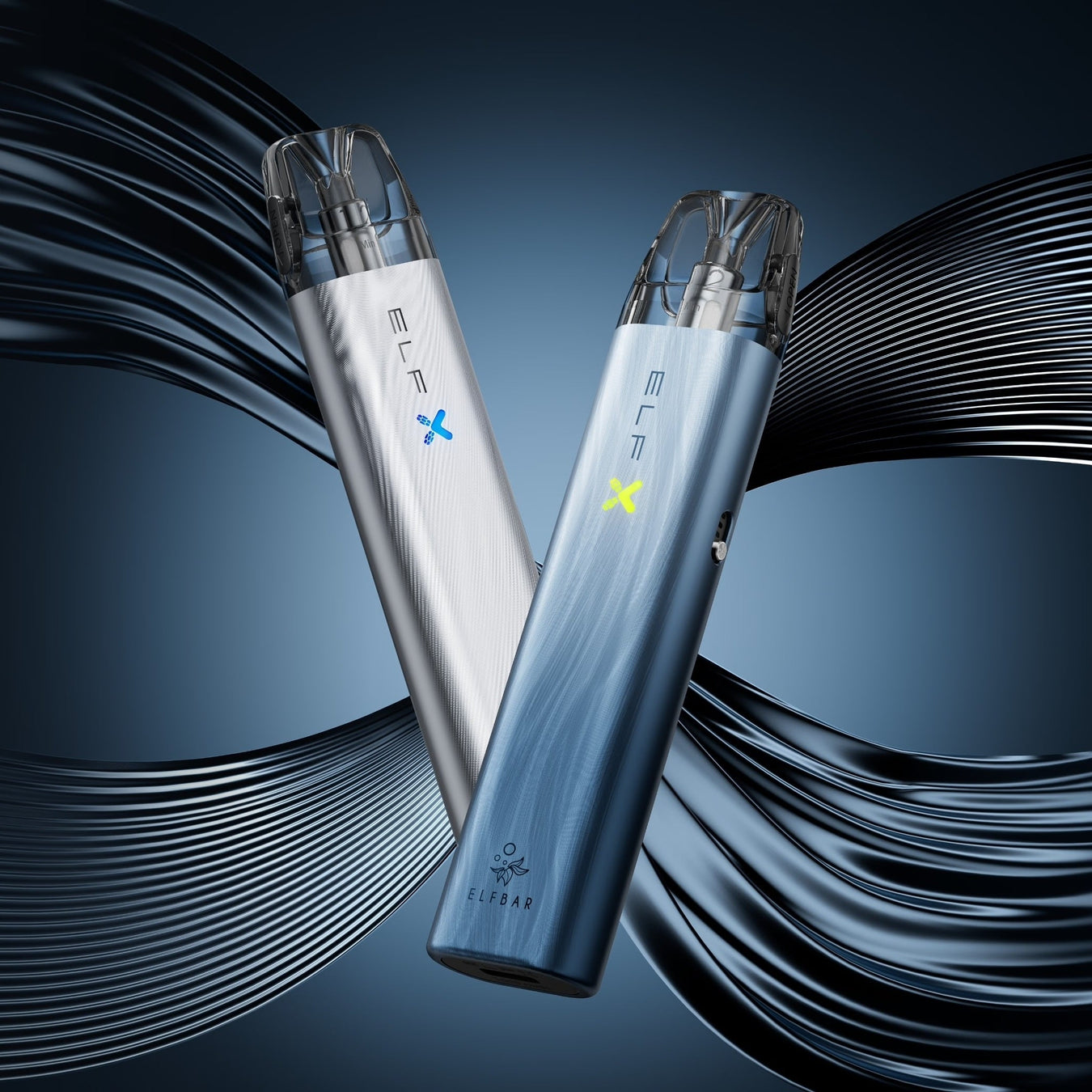
Even though the devices look different, they all consist of three core parts:
- The battery: It provides the energy, just like your smartphone.
- The evaporator (coil): A small heating coil surrounded by cotton wool. It heats up when the battery is activated.
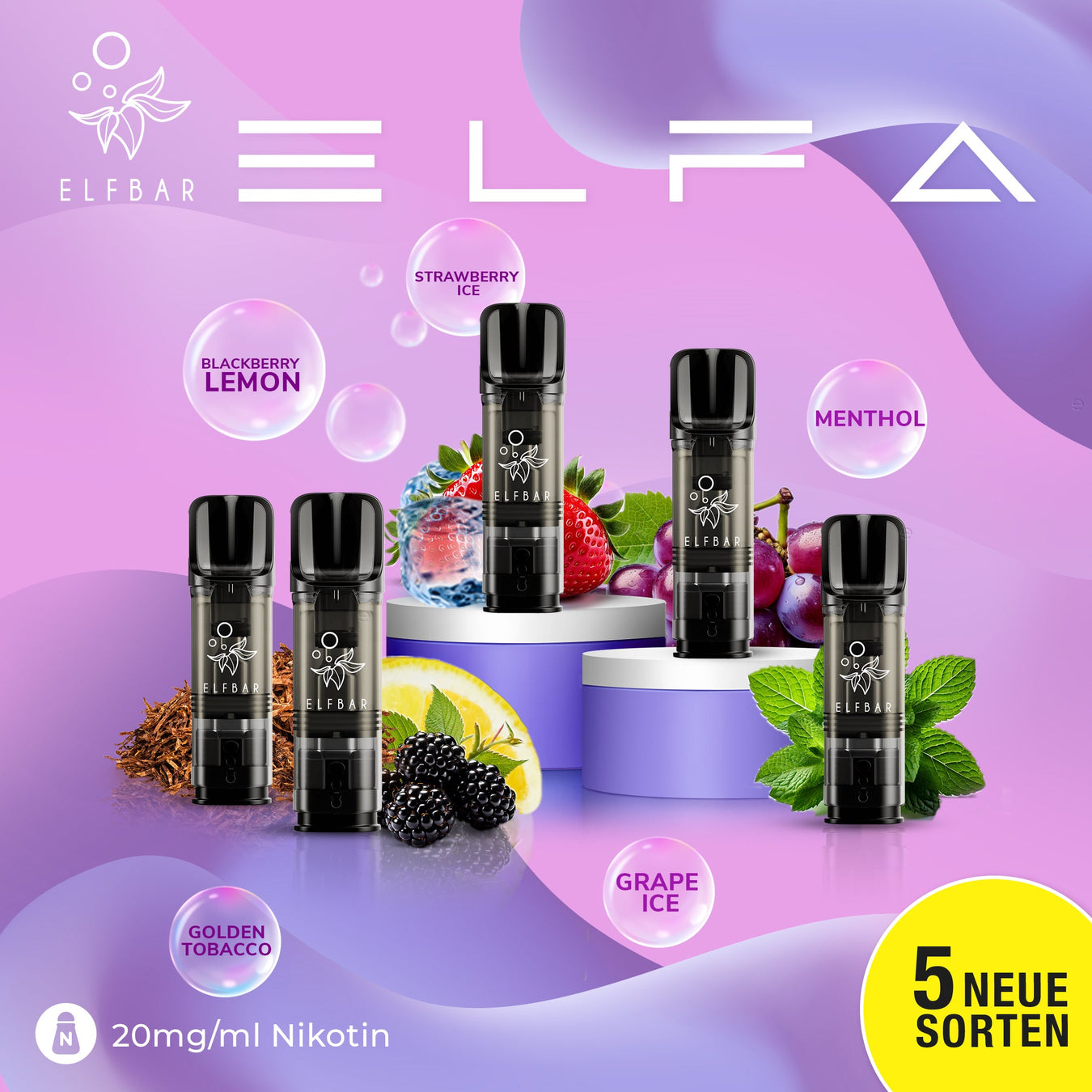
- The tank or pod: It contains the e-liquid, which is absorbed by the cotton and transported to the heating coil.
When the device is pulled or a button is pressed, the circuit closes, the coil heats up and vaporizes a small amount. Liquid. It is a simple, controlled system.

What's in the liquid?
The composition of e-liquids is strictly regulated in Germany. Tobacco Products Act (TabakerzG) specifies exactly which ingredients may be used. The base typically consists of only four components:
- Propylene glycol (PG): An approved food additive (E 1520) also used in toothpaste and chewing gum. It is the primary
Flavour carrier. - Vegetable glycerin (VG): Also a food additive (E 422) that causes the visible steam development.
- Aromas: Food flavorings that
Flavour produce – from fruit to tobacco. - Nicotine (optional): Many vapers use nicotine to satisfy their cravings and avoid smoking cigarettes. However, there are also... countless nicotine-free options.
All e-liquids sold in Germany must be registered with the Federal Office of Consumer Protection and Food Safety (BVL) and tested for their ingredients.
2.Why people vape: More than just an alternative
The reasons for switching to e-cigarettes are varied, but almost always the desire to quit smoking is the primary driver.
The way away from cigarettes
For many smokers, vaping is a harm reduction tool. They don't want to or can't quit nicotine consumption cold turkey, but are looking for a less harmful alternative to cigarettes. Science supports this approach. A comprehensive analysis of Cochrane Library, The gold standard for evidence-based medicine concludes that e-cigarettes with nicotine are more effective in helping people quit smoking than classic nicotine replacement therapies such as patches or gum.
Learn more about the actual risks of Passive vapor for your environment.
Control and enjoyment
Vaping offers a level of control that smokers never had. Users can gradually reduce the nicotine strength, from 20 mg/ml down to zero. Many former smokers enjoy continuing the ritual, but without the constant worry about the consequences of smoking. For them, vaping is a pleasure. Products like the
The simplicity of modern devices
The technology has developed rapidly. E-cigarettes used to be complicated and required technical knowledge. Today, systems like... Pod systems Incredibly simple. With devices like the

3. The most common concerns: health, safety and regulation
Perhaps the most pressing question for family members is that of health. Is vaping safe? The answer is nuanced.
How harmful is vaping really?
No responsible expert would claim that vaping is 100% risk-free. Inhaling substances is never as healthy as breathing fresh air. The crucial question, however, is: How harmful is it compared to smoking?
Here, the scientific institutions largely agree. The German Federal Institute for Risk Assessment (BfR) The report states that, based on current knowledge, e-cigarettes are "less harmful to health" than tobacco cigarettes. However, it also emphasizes that they are not a lifestyle product for non-smokers, and especially not for young people. The consensus is: For a smoker, switching is a significant health benefit. For a non-smoker, starting is an unnecessary risk.
Strict rules in Germany and the EU
Consumers in Germany are protected by a close-knit network of regulations. The EU Tobacco Products Directive (TPD) and the German Tobacco Products Act set clear limits:
- Nicotine limit: E-liquids may contain a maximum of 20 mg/ml of nicotine.
- Quantity limit: The fill volume of disposable e-cigarettes or pods is limited to 2 ml.
- Ingredient reporting requirement: All ingredients must be reported to and inspected by the authorities.
- Warning notices and advertising bans: Strict rules for packaging and advertising are intended to protect non-smokers and young people.
These laws ensure that only tested and regulated products are placed on the market.
Passive vapor: What does science say?
Unlike secondhand smoke, which lingers in the air for hours and is proven to be harmful, e-cigarette vapor dissipates within seconds. The exhaled particles are liquid and evaporate quickly. Studies have shown that the exposure to others is minimal and not comparable to the risks of secondhand smoke. Nevertheless, this is about more than just science – it's about respect and courtesy.
4. Vaping etiquette: Rules for respectful coexistence
Social acceptance is key to harmonious coexistence. Here are some practical rules and tips for vapers and those around them.
My home, your home: Finding common rules
The most important place for clear agreements is within your own four walls. Instead of issuing unilateral prohibitions, both sides should talk to each other. Perhaps vaping is taboo in the living room, but okay by the open window in the kitchen. Open communication that takes the concerns of the non-vaper seriously and allows the vaper their freedom is the best approach.
In public: Where is vaping allowed?
The legal situation regarding vaping in public is often a gray area. Where smoking is prohibited (e.g., on public transport), vaping is usually also prohibited. In restaurants or bars, the owner decides. The golden rule for every considerate vaper is: When in doubt, always assume it is not allowed. Asking doesn't cost anything. And never vape in enclosed spaces or near children and pregnant women without first obtaining permission.
The art of the subtle cloud
Not every vaper wants to produce huge clouds. In fact, many prefer a discreet experience. As discussed in the article about... discreet vaping As described, the amount of vapor depends heavily on the device and the inhalation technique. A practical tip: If you hold the vapor in your lungs for one or two seconds longer, significantly less will be visible when exhaling. This is a simple gesture of respect in mixed company.
Provide friendly information instead of confronting.
If you, as a non-vaper, have concerns, try phrasing them as a question rather than an accusation. Instead of "Turn that off!", try "Could you please do that somewhere else? The smell bothers me." For vapers: Respond to questions politely and informatively. Many people are simply curious and not hostile.
Building bridges: How you can support a vaper in your life
Understanding is the first step towards providing support. Instead of condemning the decision, try to understand it – especially if it involves a long-term smoker.
- Show interest: Questions like "Which
Flavour Questions like "Is that it?" or "Does quitting smoking really help you?" open the door to a positive conversation. - Respect the decision: For a smoker, switching to cigarettes is a difficult but positive step. Acknowledge this achievement.
- Set limits, but be fair: It is your right to request vapor-free zones or times. What's important is that these rules are established jointly and with mutual respect.
Concluding thoughts
Vaping is a topic that often polarizes opinions and is surrounded by myths.But behind the clouds lie facts, regulations, and personal stories. It's not a harmless fad, but for countless people a functioning and scientifically recognized alternative to the far more harmful tobacco cigarette.
When someone in your life is acting up, it's an invitation to dialogue. With the information presented here, you'll be better equipped to conduct this dialogue constructively, with knowledge, and above all, with understanding. Because in the end, it's not about who's right, but about finding a solution that works for everyone.
Disclaimer: This article is for informational purposes only and does not constitute medical advice. The decision to quit smoking or use an alternative should ideally be made in consultation with a doctor or qualified counseling center. This content is intended exclusively for adult smokers and vapers.
Sources:
- Federal Institute for Risk Assessment (BfR) – Risk assessment of e-cigarettes
- Cochrane Library – Electronic cigarettes for smoking cessation
- Federal Ministry of Justice – Tobacco Products Act (TabakerzG)