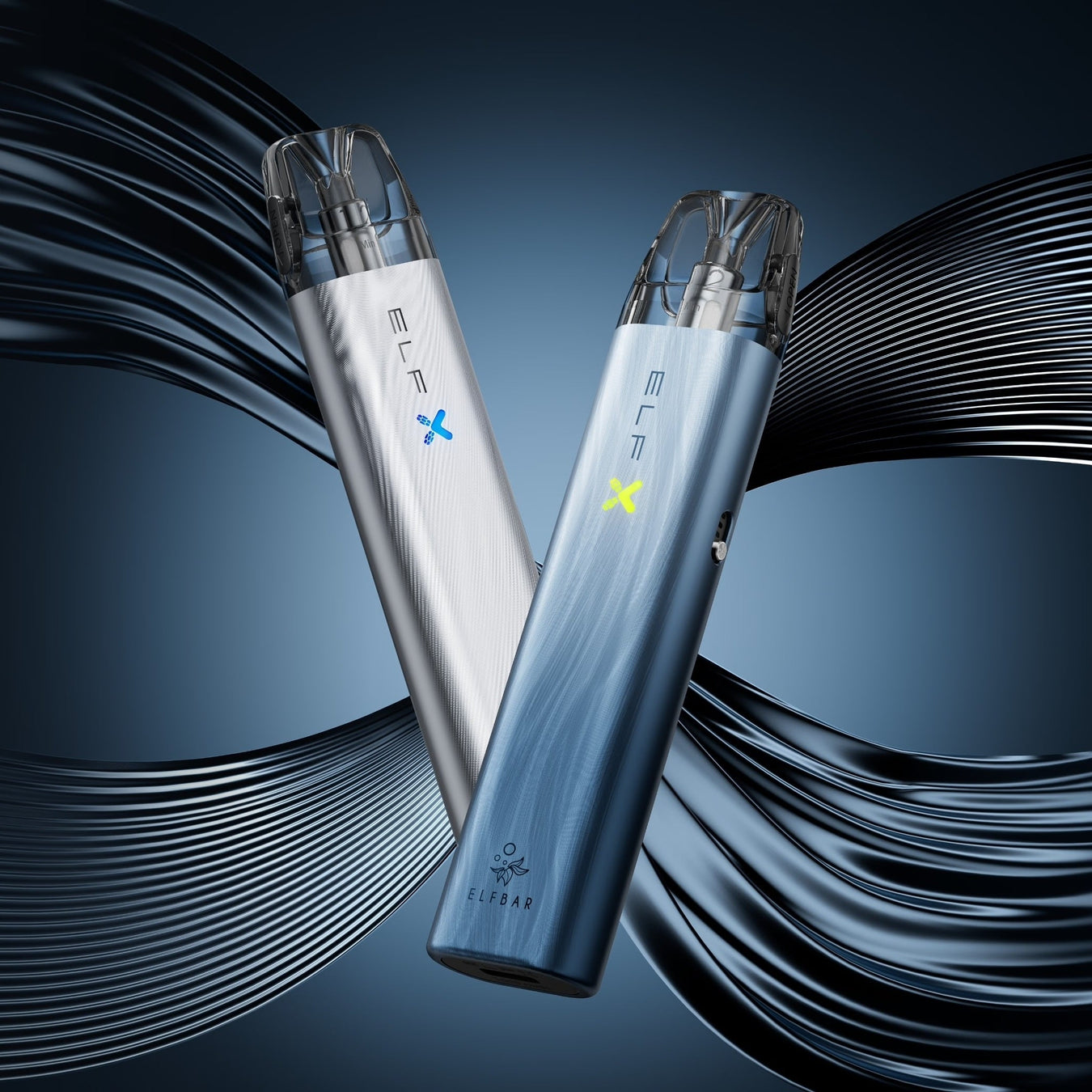
Chain vaping: Which battery can withstand the constant load?
Quick Start: Key Takeaways
- Thermal stress: Chain vaping leads to a heat build-up, which increases the internal resistance of the battery and can reduce the usable capacity by up to 40%.
- Realistic performance: Under extreme conditions, devices often only achieve 12–16% of the advertised maximum number of puffs (draws).
- Hardware requirements: For heavy users, batteries with at least 1000 mAh and a USB-C fast charging function (2A) are essential to minimize downtime.
- Economy: Due to the high wear and tear of coils (up to 50% faster degradation with sweet liquids), the operating costs of chain vaping are approaching those of conventional tobacco products.
- Security & Longevity: A metal casing and intelligent power control are crucial for thermal management and cell lifespan.
- Legal compliance: In Germany, only e-cigarettes with a maximum tank volume of 2 ml and 20 mg/ml nicotine are legal (according to the Tobacco Products Act - TabakerzG).
The physics of chain vaping: Why batteries give up under continuous load
Chain vaping describes a usage pattern in which puffs are taken at very short intervals (often less than 30 seconds). This puts extreme stress on the electronics and the lithium-ion battery. While a typical user allows the battery time to chemically stabilize between discharges, the battery remains in a constant state of energy output in the case of chain vaping.
A key problem is the so-called Voltage Sag (Voltage drop). As soon as a load is applied, the battery voltage drops briefly. This effect intensifies under continuous load and increasing heat generation. A battery with a nominal capacity of 1000 mAh (milliampere-hours—a measure of charge storage) can often only deliver 600 to 700 mAh effectively under a thermal load of 20 watts before the protection circuitry shuts it down due to undervoltage.
Additionally, the heat accelerates chemical aging. The electrolytes within the cell decompose more quickly, permanently increasing internal resistance. This leads to the device not only running out of power faster but also losing a significant amount of its overall capacity over the months.
Analysis: Advertised capacity vs. actual usage time
In the industry, puff counts (number of puffs) are often determined under laboratory conditions that hardly reflect the everyday experience of a heavy user. The ISO 20768:2018 standard defines standardized test procedures for aerosol generation, but chain vapers regularly exceed these parameters due to longer puff times and deeper inhalations.
Our scenario modeling reveals a significant discrepancy between marketing promises and reality under extreme usage.
Table 1: Estimated performance under chain vaping conditions
| parameter | Advertised value (standard) | Estimated value (Extreme Last) | Difference/Efficiency |
|---|---|---|---|
| Trains (puffs) | 15,000 | ~1,800 - 2.400 | ~12 - 16% |
| Usable capacity | 100% (z.B. 1000 mAh) | ~65 - 75% | -25% to -35% |
| Coil lifespan | 10 days | ~5 days | -50% |
| Charging cycles until degradation | 300 cycles | ~180 cycles | -40% |
Methodological note: These values are based on a theoretical model (scenario: 4-second draw duration, 65ml volume, 20W power, sweet e-liquids). They are not based on physical laboratory tests, but rather an extrapolation based on thermodynamic principles and common mesh coil degradation rates.
Hardware requirements for maximum endurance
Experienced users who use their devices almost continuously need to pay attention to specific technical features when making their selection, going beyond just the mAh rating.
1. Capacity and discharge rate
A 1200 mAh battery is the minimum for chain vapers to last a significant portion of the day. More important than capacity, however, is the cell's ability to maintain a constant voltage. High-quality pod systems often utilize cells with a higher discharge rate (C-rating) to minimize voltage sag.
2. Charging speed (Fast Charging)
If the battery inevitably needs to be charged several times a day, the charging electronics are crucial. A standard 1A USB port often takes over an hour for a full charge. Modern systems with 2A USB-C fast charging reduce this downtime to under 45 minutes. According to technical analyses of USB-C efficiency, this standard offers up to 240W potential, with 10W to 15W (5V/2A) currently representing the peak power output for pod systems.
3. Heat management and material selection
Heat is the biggest enemy of the battery cell. Devices with an aluminum alloy housing dissipate the heat generated during vaping and charging significantly better than purely plastic housings. This not only protects the electronics but also ensures that the e-liquid in the pod doesn't become too thin, which in turn prevents leaks and the dreaded gurgling sound.
The economics of continuous vaping: The Nicotine Efficiency Index (NEI)
For heavy users, vaping is not just a matter of taste, but also of cost-efficiency. With chain vaping, operating costs increase massively due to high e-liquid consumption and frequent coil (atomizer head) replacements.
Table 2: Cost analysis model (vaping vs. tobacco benchmark)
| Metric | Standard usage | Chain vaping (model) |
|---|---|---|
| Liquid consumption/day | ~2 - 4 ml | ~10 - 16 ml |
| Coil replacement per month | 3 pieces | 6 - 8 pieces |
| Estimated cost per mg of nicotine | ~€0.08 | ~€0.27 |
| ratio to tobacco costs | ~0.3x | ~1.0x |
Methodological note: The Nicotine Efficiency Index (NEI) calculates the cost per milligram of systemically available nicotine. The model assumes a bioavailability of 55%. With extreme chain vaping, the cost per mg of nicotine approaches the level of conventional cigarettes (~€0.26/mg), thus negating any economic savings.
Legal framework and security in Germany
Vaping in Germany is subject to strict regulatory requirements, primarily aimed at consumer protection and product safety. Tobacco Products Act (TabakerzG) stipulates that e-cigarettes must have a child-resistant device and must not contain any ingredients that suggest a health-promoting effect (z.B. Vitamins).
A key factor for chain vapers is the tax regulations. Since the introduction of the tobacco tax on substitutes (Tobacco Tax Act), the price of e-liquids has risen significantly. Official products can be identified by the tax stamp. Customs explicitly warns against purchasing untaxed goods, as these often do not meet EU safety standards and can pose health risks due to inferior ingredients.
Furthermore, proper disposal is crucial for the environmental impact. According to the German Battery Act (BattG) and the WEEE Directive, e-cigarettes must never be disposed of in household waste. EAR Foundation It monitors the registration of manufacturers to ensure that old devices are properly recycled.
Best practices for maximum battery life
To get the most out of a high-performance pod system, heavy users should follow these rules, which are based on observations from technical support and repair practice:
- Cool-down phases: Allow the device a 2-3 minute break after an intensive session before connecting it to the charger. Charging a hot cell is the main cause of premature capacity loss.
- Avoidance of deep discharge: Ideally, charge the device as soon as the indicator reaches 20%. The last few percentage points put a disproportionate strain on the cell's chemistry, especially under heavy load.
- The correct power supply: Use power adapters that deliver the current recommended by the manufacturer (usually 1A or 2A). A charger that is too weak not only extends the charging time but can also be harmful due to the constant heat generated during the long charging process.
- Cleanliness of contacts: Chain vapers often produce more condensation. Regularly clean the contacts between the pod and battery with a dry cloth to prevent contact resistance that unnecessarily drains the battery.
Modeling: Summary of assumptions
The data presented in this article are based on a specific scenario model for the "Professional Chain Vaper".
Modeling parameter table
| variable | Value | Unit | Base/Source |
|---|---|---|---|
| Train duration | 4 | seconds | Heavy User Behavior |
| Puff volume | 65 | ml | Deeper Inhalation Model |
| Power consumption | 20 | watt | Average pod system High-end |
| Nicotine concentration | 20 | mg/ml | Legal maximum (TPD2) |
| Sweetener factor | High | scale | Sweet dessert liquids (coil killer) |
Limitations of the model: These calculations apply to the parameters mentioned.With more moderate use (2-second draw duration, tobacco flavorings, 10W power), efficiency and component lifespan increase significantly. The economic analysis is based on current German tax and market prices.
Summary of technical expertise
For users who use an e-cigarette as a constant companion under heavy load, the choice of hardware is crucial. A high-capacity (mAh) battery is only half the battle; efficient thermal management, fast charging electronics, and compliance with legal safety standards are equally important. While chain vaping pushes the hardware to its limits, strategic charging and the choice of high-quality systems (preferably with metal housings and mesh coils) can optimize both performance and lifespan.
Always ensure that a valid tax stamp is present and dispose of old appliances responsibly via the official collection points of the EAR Foundation.
Disclaimer: This article is for informational purposes only and does not constitute medical or health advice. Nicotine is a highly addictive substance. The use of e-cigarettes is not recommended for non-smokers, young people, pregnant women, or people with cardiovascular disease. If you have any health concerns, please consult a qualified physician.