Battery life in focus: IQOS Holder vs. Elfbar Pod systems

The choice between a tobacco heating system like the IQOS and a modern e-cigarette system like the
Quick Start: Key Takeaways
- Energy efficiency: While the IQOS ILUMA ONE has a capacity of ~1728 mAh, it primarily uses this for the energy-intensive heating process of tobacco sticks.
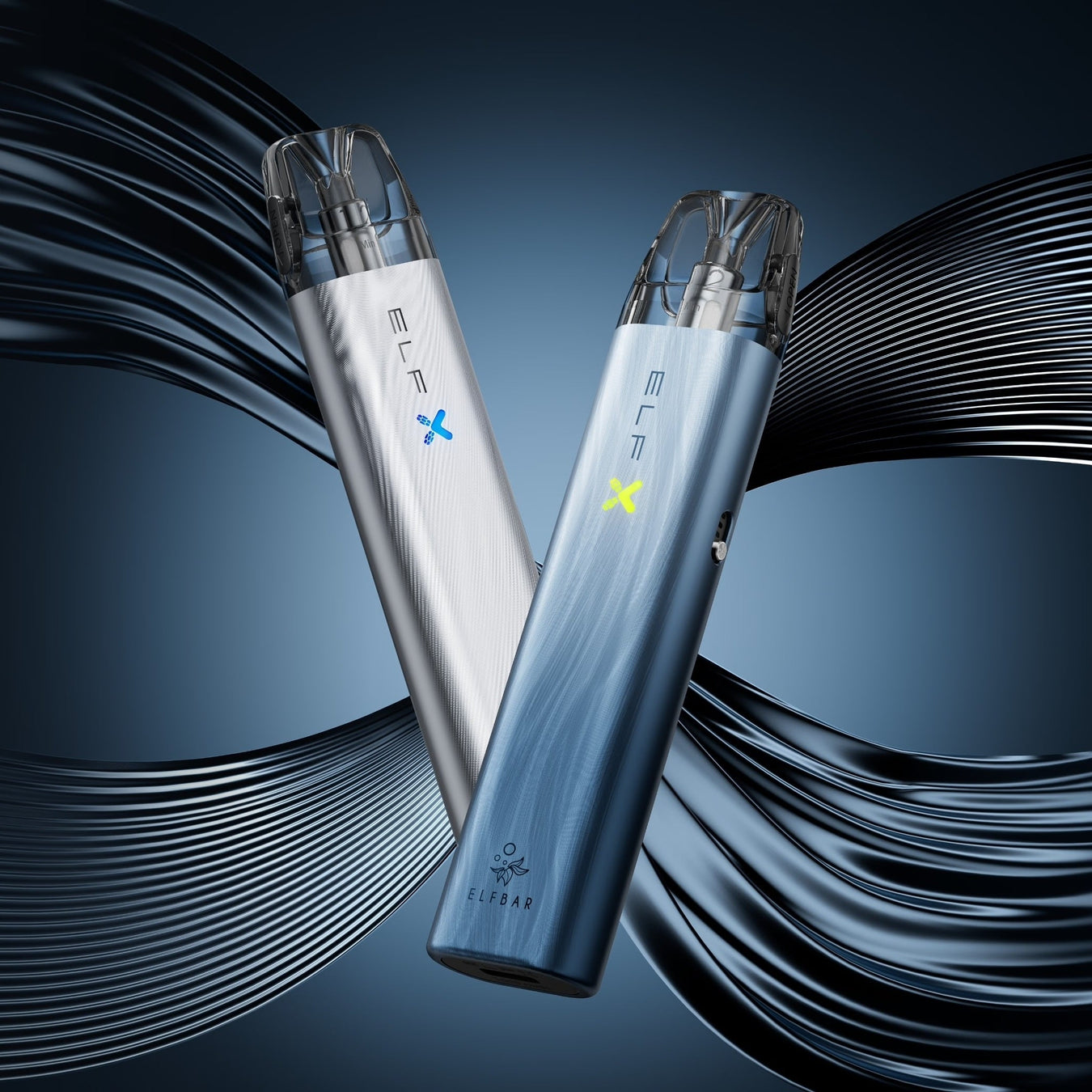
Elfbar -systems like theELFX Kit Silver Blue With 1000 mAh, they achieve up to 2-3 times longer effective usage time (in minutes of active vaping). - Loading downtime: An IQOS holder often takes up to 135 minutes for a full charge. In comparison,
Elfbar Models with USB-C fast charging (1A) already reach a capacity of 50% after about 30 minutes. - Cold sensitivity: At temperatures below 10 °C, the battery performance of both systems decreases by an estimated 15–20%. Carrying the device in an inside pocket is therefore a necessary preventative measure.
- Usage scenarios: For occasional users (approx. 15 puffs/hour), a 500 mAh battery like the one in the
ELFA Base unit Twilight Brown Sufficient. Heavy users should opt for systems with at least 850–1000 mAh to avoid the “3 a.m. panic”. - Legal framework: All the devices mentioned are subject to the German law. Tobacco Products Act (TabakerzG), which, among other things, regulates the ingredients and the maximum nicotine concentration of 20 mg/ml.
The capacity paradox: mAh does not equal endurance
At first glance, a higher milliampere-hour (mAh) rating for a tobacco heater seems to guarantee superior runtime. However, technical analyses paint a different picture. Heating real tobacco to approximately 300–350 °C requires a massive energy expenditure within a short period of time.
In contrast, vaporizing e-liquid in a mesh coil system is far more energy-efficient. A system like this
Comparison of performance data (model calculation)
| feature | IQOS ILUMA ONE | ||
|---|---|---|---|
| Battery capacity | ~1728 mAh | 1000 mAh | 850 mAh |
| Total service life | ~80–120 min. | ~150–250 min. | ~120–180 min. |
| Charging time (full) | approx. 135 min. | approx. 45–60 min. | approx. 45 min. |
| Energy consumption | High (heating element) | Low (Mesh-Coil) | Low (Mesh-Coil) |
Methodology Note: The service life figures are based on a theoretical model assuming ISO standard puffs (3-second duration) and a constant power output. Actual service life may vary depending on puffing behavior and ambient temperature.
In practice, this means that an IQOS user consumes approximately 2.1 to 3.1 times more energy per minute of use than a user of a

Loading speed and social availability
For the "urban commuter" – the working commuter – not only capacity but also recovery time is crucial. This reveals a significant difference in hardware architecture.
While the IQOS system often has a long charging downtime (up to 9 times longer than modern pod systems), devices like the
Avoiding the "3 a.m. panic"
During busy periods in the afternoon, users tend to use their devices more frequently. Analyses of usage patterns indicate that 500 mAh batteries can reach their critical limit around 3 PM with intensive use. For all-day reliability without charging, a device with at least 850 mAh (like the...) is recommended.
A common mistake is using chargers that are too powerful (e.g., 2A or more for 1A devices). This can lead to overheating of the lithium-ion cells and shorten the battery's lifespan in the long run. Experts recommend keeping the battery charge between 20% and 80% instead of fully discharging it.
Practical test: ELFA vs. ELFX in detail
Within the
-
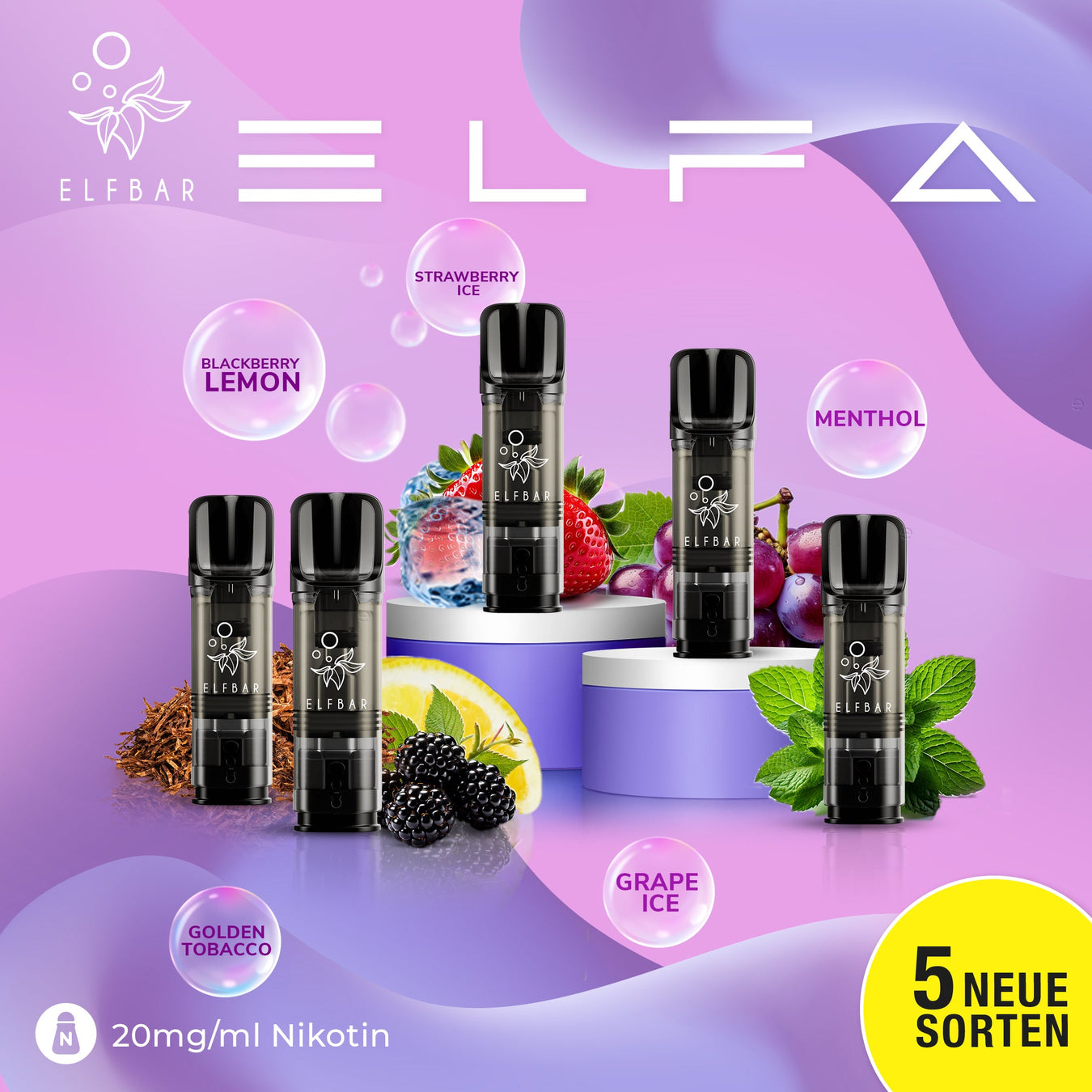
ELFA Base unit (500 mAh): Ideal for those switching from other devices and looking for a lightweight, discreet option. It offers approximately 4–5 hours of moderate use.Elfbar Battery comparison This helps to better assess the capacities. -
ELFA MASTER (850 mAh): The choice for power users inELFA -System. Thanks to the display, the charge level can be read precisely at any time, which massively increases planning in everyday life. -
ELFX Kit (1000 mAh): The flagship in terms of endurance. With a 5-stage LED indicator, it offers a reliable prediction of the remaining runtime. The dual mesh coil technology also ensures consistent power output, even as the battery level drops.

Legal and environmental responsibility
When comparing technical devices, disposal must not be overlooked. According to the EAR Foundation (Register of Waste Electrical and Electronic Equipment) E-cigarettes and tobacco heating devices are considered electrical appliances.
Disposal and Recycling
It is strictly forbidden to dispose of empty battery carriers or disposable components in household waste. Federal Ministry for the Environment, Nature Conservation, Nuclear Safety and Consumer Protection (BMUV) emphasizes the retailers' obligation to take back returns. As a user of
Furthermore, the tax classification is relevant. Since the change of the Tobacco Tax Act (TabakStG) Nicotine-free e-liquids and substitutes are also subject to tobacco tax. This explains the price stability of certified original products compared to potentially illegal imports, which often have safety defects in their batteries.
Strategies for maximum battery efficiency
To keep the hardware performing well for months, users should follow these rules:
- Temperature management: Lithium-ion batteries hate extremes.Avoid leaving the device in the car in summer or in the outer pocket of your jacket in winter.
- Charging habits: Preferably charge the device using a computer's USB port or a certified 1A power adapter.
- Cleanliness of contacts: Dust or liquid residue on the contacts increases contact resistance and leads to unnecessary energy loss. Regular cleaning with a dry cotton swab is recommended. Further tips can be found in the guide.
ELFX Pro maintenance.
Scientific context for use
The decision to use an e-cigarette system is often motivated by the desire for an alternative to traditional cigarettes. Cochrane Library confirms in their systematic reviews that e-cigarettes with nicotine can be more effective in smoking cessation than classic nicotine replacement therapies.
Nevertheless, an objective risk assessment is important. Federal Institute for Risk Assessment (BfR) points out that while e-cigarettes contain significantly fewer harmful substances than tobacco cigarettes, they still pose health risks and are not suitable for non-smokers or young people. Transparent information about the Ingredients of liquids is therefore essential for responsible consumption.
Summary of the analysis
The comparison of IQOS and
Appendix: Modeling parameters
| parameter | Value/Range | Unit | Source/Category |
|---|---|---|---|
| Assumed | 409 | Puffs | Scenario: Urban Commuter (15 cigarette equivalent) |
| Train duration | 3 | seconds | ISO 20768 Standard |
| Perfomance ( | 12 | watt | Typical MTL performance |
| Cold loss | 15–20 | % | Estimated value at <10 °C ambient temperature |
| Charging efficiency | 0.85 | Ratio | Standard loss during USB charging |
This model is a scenario-based estimate and not a clinical study. Individual travel time depends heavily on personal train profiles.
Important notice (YMYL Disclaimer): This article is for informational purposes only and does not constitute medical or health advice. Nicotine is a highly addictive substance. E-cigarettes are not suitable for non-smokers, young people, pregnant women, or people with cardiovascular or respiratory conditions. Please consult your doctor or pharmacist before switching to e-cigarettes. All battery performance figures are estimates based on technical specifications and typical usage patterns.