Perceived strength: Disposable vapes vs. pod systems in the check
The peril of habit: Why 20 mg/ml isn't always 20 mg/ml
You've taken the plunge: away from disposable e-cigarettes and towards a rechargeable pod system. You choose a liquid or a pod with 20 mg/ml nicotine salt – the same strength you're used to. But with the first puff, you're in for a surprise: the vapor feels unexpectedly strong, scratches your throat, or even causes mild dizziness. This phenomenon is well-known among experienced vapers and is one of the most common pitfalls when switching hardware. It begs the question: how can the same nicotine concentration have such different effects?
The answer lies not in the e-liquid itself, but in how the device converts it into vapor. The perceived or "felt" strength of the nicotine is a complex interplay of the device's power, airflow, and ultimately, the amount of vapor you inhale per puff. This article breaks down precisely why 20 mg/ml in a high-powered pod system often feels more intense than in a standard disposable vape, and how to make the transition smoothly.
The legal basis: The 20 mg/ml standard in Germany
Before we delve into the technical details, it's important to understand the regulatory framework. Throughout the European Union, and therefore also in Germany, the maximum nicotine concentration for e-liquids is legally limited to 20 milligrams per milliliter (20 mg/ml). This limit is set out in the EU Tobacco Products Directive (TPD) and has been transposed into German law by the... Tobacco Products Act (TabakerzG) taken over.
This regulation applies to all commercially available nicotine-containing liquids, regardless of whether they are... Disposable devices, This applies to pre-filled pods or 10ml liquid bottles. The purpose of this limit is consumer protection and market standardization. Therefore, if you see a product legally purchased in Germany, you can be sure it does not exceed this concentration. However, as we will see, this number is only half the story when it comes to the actual experience.
For hot days, we recommend taking a look at our Best summer flavors for disposable vapes.
Are you planning a trip? Here you can find out everything about Vapes on the plane and hand luggage.
For many people switching from tobacco cigarettes, nicotine salt has proven particularly effective. It allows for a high nicotine concentration without the harsh throat hit that would occur with conventional nicotine. You can learn more about its exact mechanism of action in our introductory article.What is nicotine salt e-liquid and how does it work?"
The decisive factor: How the hardware controls nicotine delivery
The core of the difference lies in vapor production. A device that produces more vapor delivers more nicotine to the mucous membranes per puff, assuming the same e-liquid concentration. Imagine the difference between a drizzle and a downpour – the concentration of water in the air is different, leading to a completely different result. Three technical aspects are crucial here.
1. Power (watts): The evaporator motor
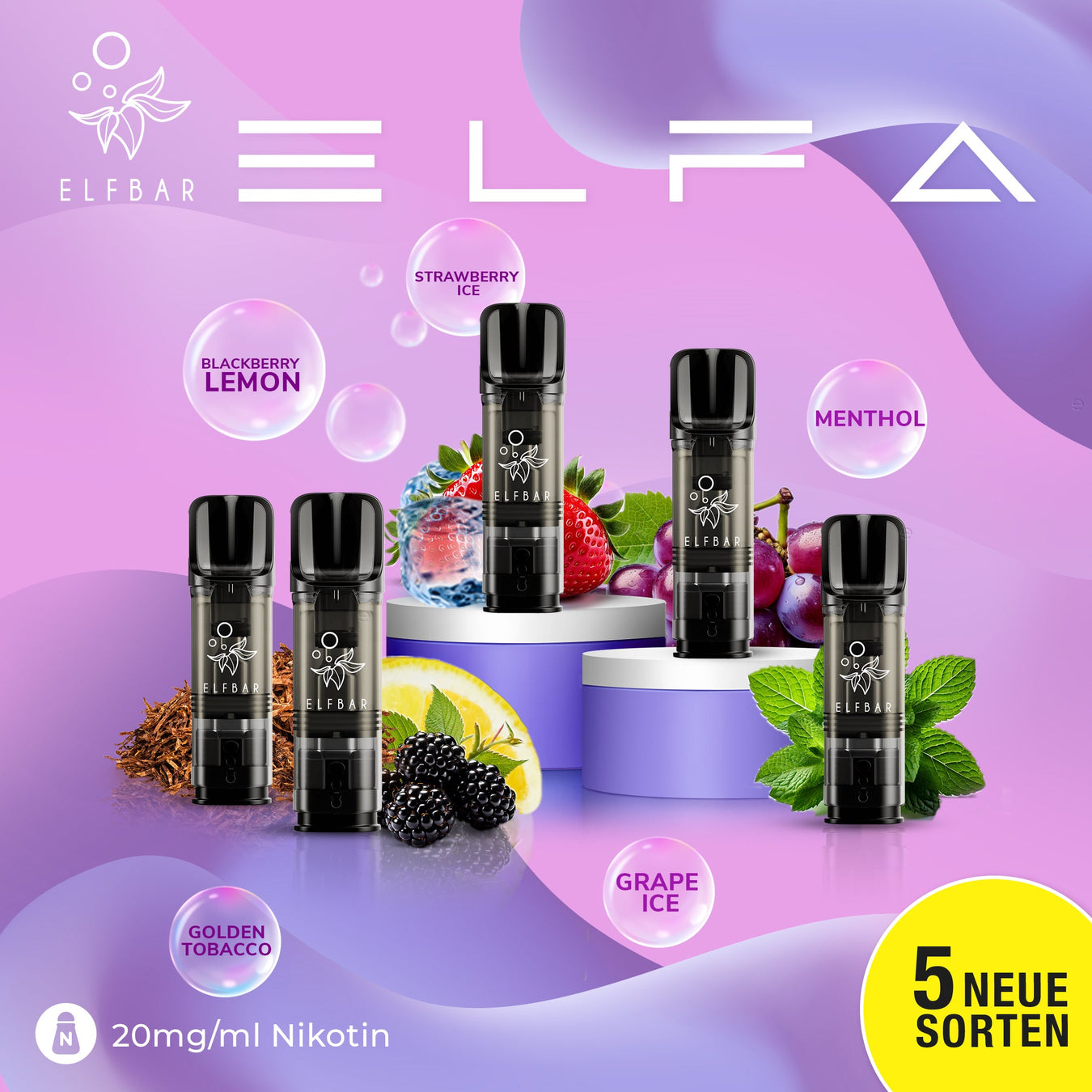
Disposable e-cigarettes like the
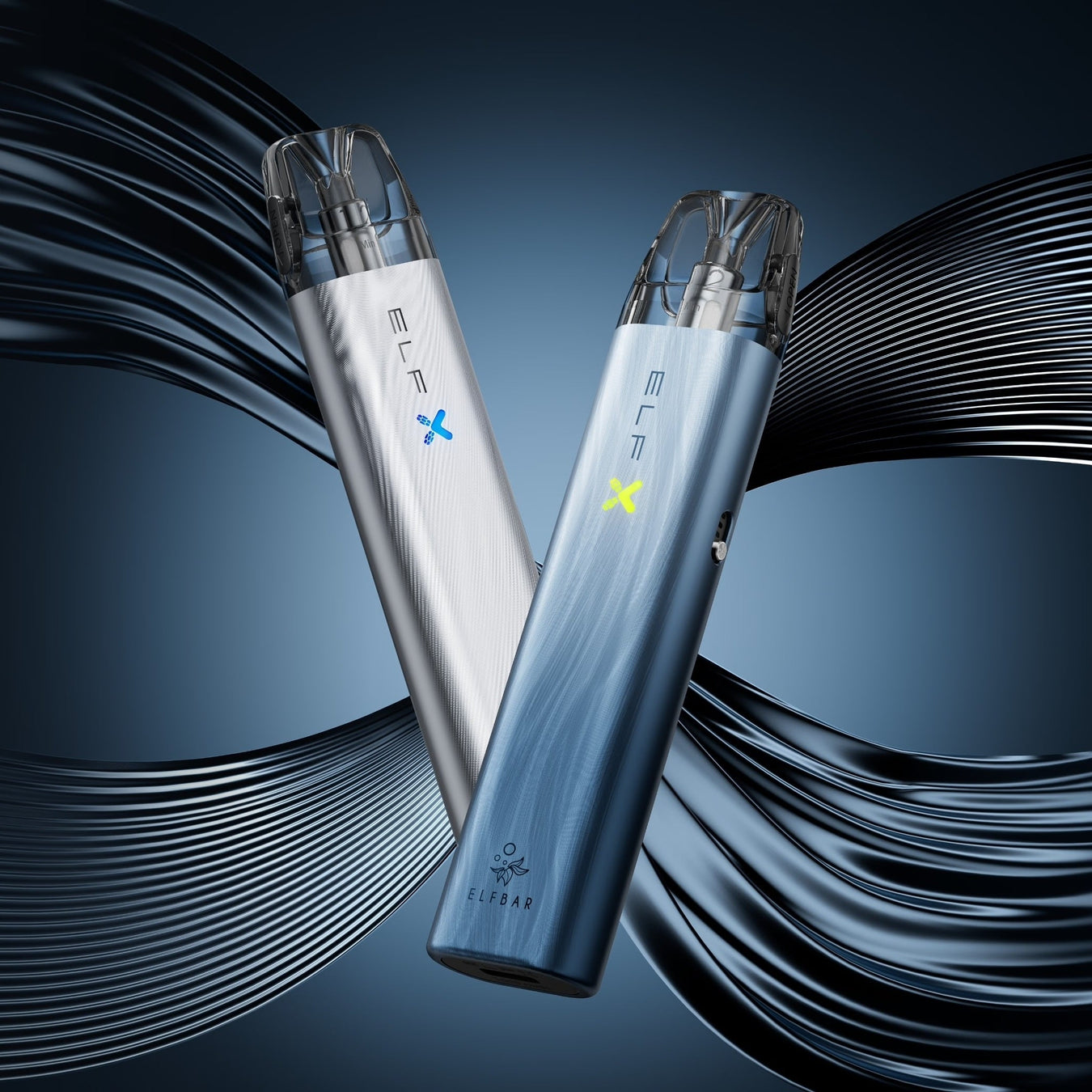
Pod systems like the
- Low power (disposable vape): Less liquid evaporates per puff -> Less steam volume -> Lower nicotine intake per puff.
- Higher performance (pod system): More liquid evaporates per puff -> Larger steam volume -> Higher nicotine intake per puff.
2. Airflow: The path of the vapor
The airflow defines the draw resistance. Disposable vapes are almost exclusively designed for a tight MTL (mouth-to-lung) draw. This high draw resistance mimics the sensation of smoking a tobacco cigarette: you first draw the vapor into your mouth and then inhale it into your lungs. This results in smaller, more concentrated vapor volumes.
Many pod systems offer a more open airflow, enabling a restricted-direct-to-lung (RDL) draw. This draws the vapor directly into the lungs with less resistance. This more open airflow has two effects: it cools the coil, which is essential for higher wattages, and it mixes more air with the vapor, significantly increasing the overall volume of the inhaled material. You're therefore inhaling not only more vapor but also more air, which distributes the nicotine molecules over a larger area of the alveoli in the lungs, potentially leading to faster and more intense absorption.
3. Coil technology: The heart of vaporization
Modern pod systems, such as the
Compared to a simple round wire coil in older devices, a mesh coil produces more vapor and a more intense experience at the same power output.
The practical calculation: Why more steam means more effect
Let's summarize the physics: Perceived strength = nicotine concentration × vapor volume per puff.
Even if the concentration (20 mg/ml) remains constant, a device that produces twice the amount of vapor effectively doubles the nicotine dose you ingest with a single puff. This is why the same e-liquid can feel different in strength depending on the device.

This observation is supported by the experiences of countless vapers. A common rule of thumb that has become established in the community is: When switching from a standard disposable vape to a higher-wattage pod system, you should reduce the nicotine strength by about 5 mg/ml to achieve a comparable sensation. Since 10 mg/ml is the next lowest standard level, this is the logical step for many.
It's not just about strength, but also about gentleness.Too high a dose of nicotine at once can be perceived as unpleasantly "scratchy" or "harsh," even with nicotine salts, which are generally known for their mildness. The body reacts to the sheer amount of nicotine coming into contact with the mucous membranes.
Practical guide: How to make the switch to the pod system smooth
Switching from a disposable vape to a Pod system This is a positive step towards sustainability and cost savings. To ensure a convincing experience from the start, you should proactively consider the hardware differences.
Step 1: Reconsider the nicotine strength
Don't blindly reach for the 20 mg/ml pods just because you're used to it. If you're sensitive to nicotine or simply prefer a smoother experience, start with a lower concentration, if available. If you do stick with 20 mg/ml, be aware of the potentially stronger effect and adjust your vaping technique accordingly.
Step 2: Adapt your pulling technique
Perhaps the most important piece of advice: Change the way you draw. Avoid deep, long lunges.
Step 3: Start with the lowest setting
If your pod system has adjustable wattage, always start at the lower end of the recommended range for that coil. You can gradually increase the wattage as needed until you find the perfect balance between vapor production,
Step 4: Listen to your body's signals
The goal of vaping is to satisfy nicotine cravings so as not to reach for a cigarette. It's not a competition for the biggest clouds. If you notice signs of an excessive nicotine dose (z.B. If you experience mild dizziness, headache, or nausea, put the device aside. These are clear signs that you should either reduce the nicotine strength or adjust your puff frequency and intensity.
Common pitfalls and expert tips
Pitfall 1: The assumption that all nicotine salts are identical
Another aspect that becomes more apparent with higher-powered devices: not all "20 mg/ml nicotine salt" e-liquids are created equal. The specific acid mixture used to produce the nicotine salt can vary from manufacturer to manufacturer. This affects the smoothness and speed of nicotine absorption. What might be barely noticeable in a low-power device can make a perceptible difference in sensation in a high-power device.
Expert tip: Finding the right method is crucial.
Successfully quitting smoking is a very personal process. Studies such as those conducted by the renowned Cochrane Library Studies provide strong evidence that e-cigarettes with nicotine are an effective method for quitting smoking. The key to success lies in finding the right device and nicotine strength for individual needs. Understanding the technical aspects described here is an important part of this process.
German authorities such as the Federal Institute for Risk Assessment (BfR) They acknowledge the potential for risk reduction for smokers who switch completely, but at the same time urge caution and emphasize the protection of young people.An informed and responsible approach to technology is therefore essential.
Conclusion: Knowledge is power – control over your experience
The realization that 20 mg/ml of nicotine doesn't always feel the same is a crucial step towards a mature and satisfying vaping experience. It's not the concentration in the pod that determines how it feels, but rather the efficiency of the device delivering it. Power, airflow, and coil design are the true drivers of your experience.
Understanding these factors will help you make an informed decision when switching to a pod system. Start consciously, adjust your technique, and give yourself time. This will ensure that your transition is not only more sustainable and cost-effective, but also delivers the exact satisfaction you're looking for from day one. You're in control—use it.
Disclaimer: This article is for informational purposes only. The content does not constitute medical advice and is not a substitute for professional consultation with a doctor or pharmacist. Nicotine is an addictive substance. E-cigarettes are intended for adult smokers as an alternative to tobacco cigarettes. They are not suitable for non-smokers, minors, pregnant or breastfeeding women, or individuals with pre-existing cardiovascular conditions. Keep all nicotine-containing products out of the reach of children and pets.
References: